
Adobe Stock

Audio By Carbonatix
Independent Journalism in Dallas Needs You
We need to raise $12,500 by August 9 to support the reporting our community depends on. Reader support keeps us independent and is playing a larger role in funding local journalism and shaping what comes next. If you believe independent local journalism matters, make a contribution today.
Earlier this year, we reported on a very clever and equally funny prank going down at everyone’s least favorite place to relieve themselves, the Dallas Fort Worth International Airport bathroom. The elaborate scheme involved a very official-looking sticker in restroom stalls announcing a newly minted, and fake, opt-in program called the Electronic Genital Verification Program, with a reporting line directly to Lt. Gov. Dan Patrick’s office. The implausibility that a high-powered government official would be collecting images of genitals made it all the more perfect, but unfortunately, our truth is now stranger than fiction, because Attorney General Ken Paxton announced a very real toilet tipline this week.
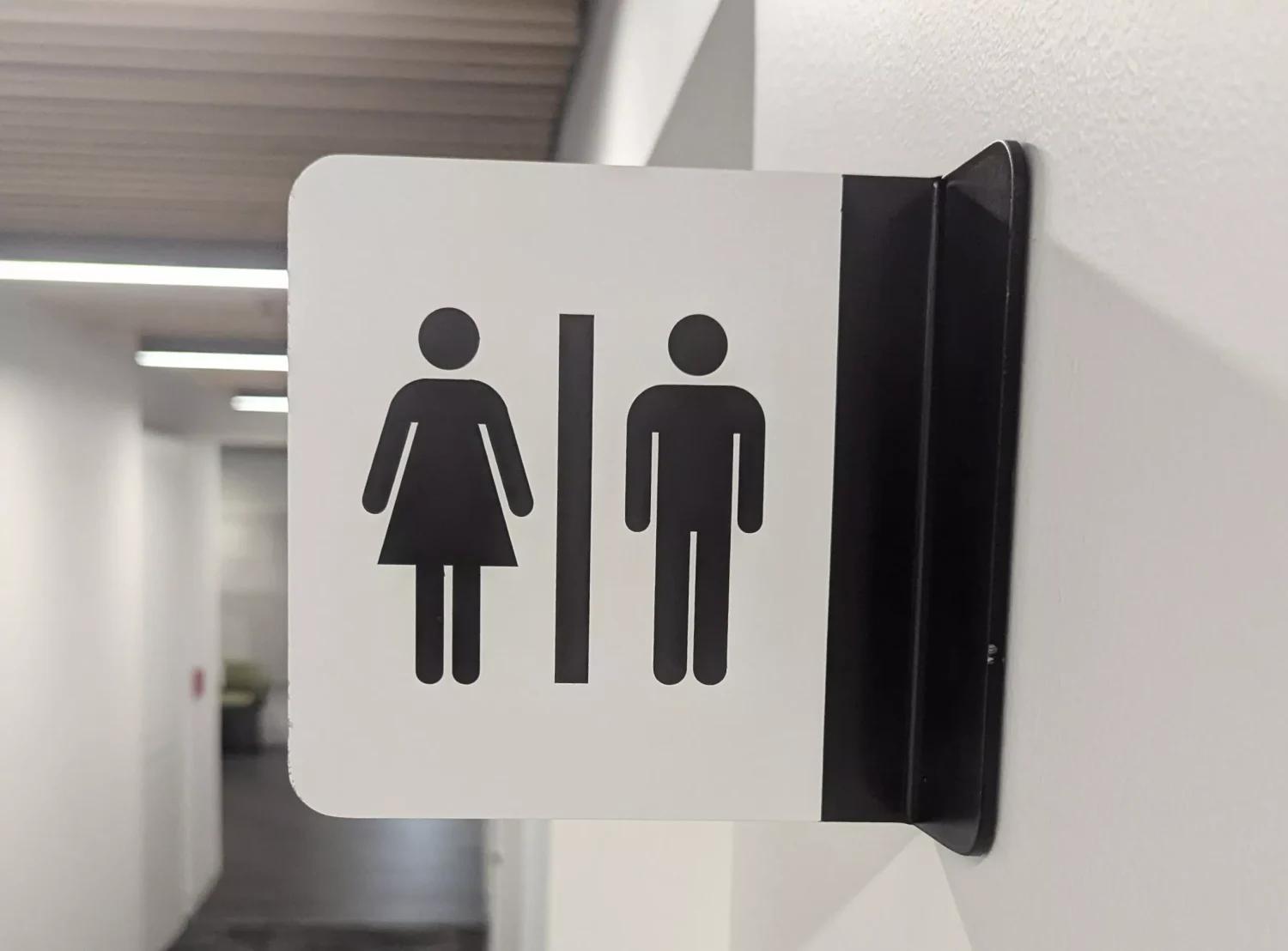
The tipline, called the Texas Women’s Privacy Act Complaint Form, is Paxton’s attempt at enforcing a newly enacted law of the same name that requires public institutions, including higher education facilities, government offices and public schools, to implement gender restrictions based on biological sex assigned at birth. The long submission form requires identified tipsters to submit highly detailed descriptions of women’s bathroom transgressions, as defined by the state, and also requires some form of evidence, including visual (not limited to PDFs, JPGs or GIFs) to be provided.
There are many questions to ask, but the first is: Is it even remotely legal to take a picture of someone in the restroom? No, it’s not. The Invasive Visual Recording section of the Texas Penal Code prohibits any kind of photographing or video recording of clothed or naked intimate areas in a bathroom. The crime is a state jail felony, punishable by up to a year, but we have the name of a really powerful lawyer who may be willing to provide pro bono work for tipsters charged. It rhymes with Pen Kaxton.
We thought it would be amusing to file a fraudulent form, and we’d love to pay forward Paxton’s affinity for wasting the state’s time and resources. However, we’re also subscribed to his office’s email list, which means we receive several emails about new and unnecessary lawsuits often. Little to say, he’s litigious with a capital L.
The Texas Women’s Privacy Act imposes a $25,000 fine on non-compliant government-funded institutions and allows for private lawsuits. However, beyond introducing penalties, there was initial confusion about how the state could effectively enforce the law. Enter Paxton.
“The Texas Women’s Privacy Act was passed to ensure that women and girls in Texas are protected from mentally ill men wanting to violate their basic right to privacy in places like restrooms and locker rooms,” said Attorney General Paxton in a press release. “It’s absolute insanity that action like this is even needed, but unfortunately in the day and age of radical leftism, it is.”
The charged language of the release is laced with stigmas directed towards the transgender community, says LGBTQ+ legal experts.
“If anybody had an actual concern about mental health, if anybody had an actual concern about women’s safety, we’d be doing an entirely different set of legislation,” said Nicholas Hite, a senior attorney at Lambda Legal. “We’d be focusing our resources in a completely different way. But instead, we exist in a world in which the rates of violence against women go unchecked, while legislators, in turn, try to fetter out the minute percentage of our population who are just trying to live their lives.”
The law that preceded the tipline took the state’s GOP party a decade to pass, but it’s one of the greatest examples of an anti-transgender agenda perpetrated by the highest-ranking officials.
“The attorney general has tried for years to vilify and dehumanize transgender Texans, but he can’t strip away every person’s right to privacy and right to live our lives free from gender stereotyping,” said Brian Klosterboer, senior staff attorney at the ACLU of Texas.
The law, along with the accompanying tipline, just might reduce safety in women’s bathrooms, while also putting transgender women who are now forced to use men’s bathrooms into direct and obvious danger.
“If we’re saying that men are inherently dangerous, then men’s restrooms are inherently dangerous, quite frankly, as this unregulated gathering place of men,” said Hite. “To send anyone in there, trans women in particular, but to send anyone in there, apparently, is to put them in threat of physical harm because men are just so inherently dangerous.”
In essence, the tipline is a waste of resources passed in the name of protecting women, but does anything but, says Hite.
“I would expect the primary people using the tip line to be other women,” said Hite. “It’s really encouraging women to turn in on each other instead of turning outward and acknowledging that if we present a more unified community against the legitimate violence against women, they’re a real force to be reckoned with.”