
Brent Stirton/Getty Images

Audio By Carbonatix
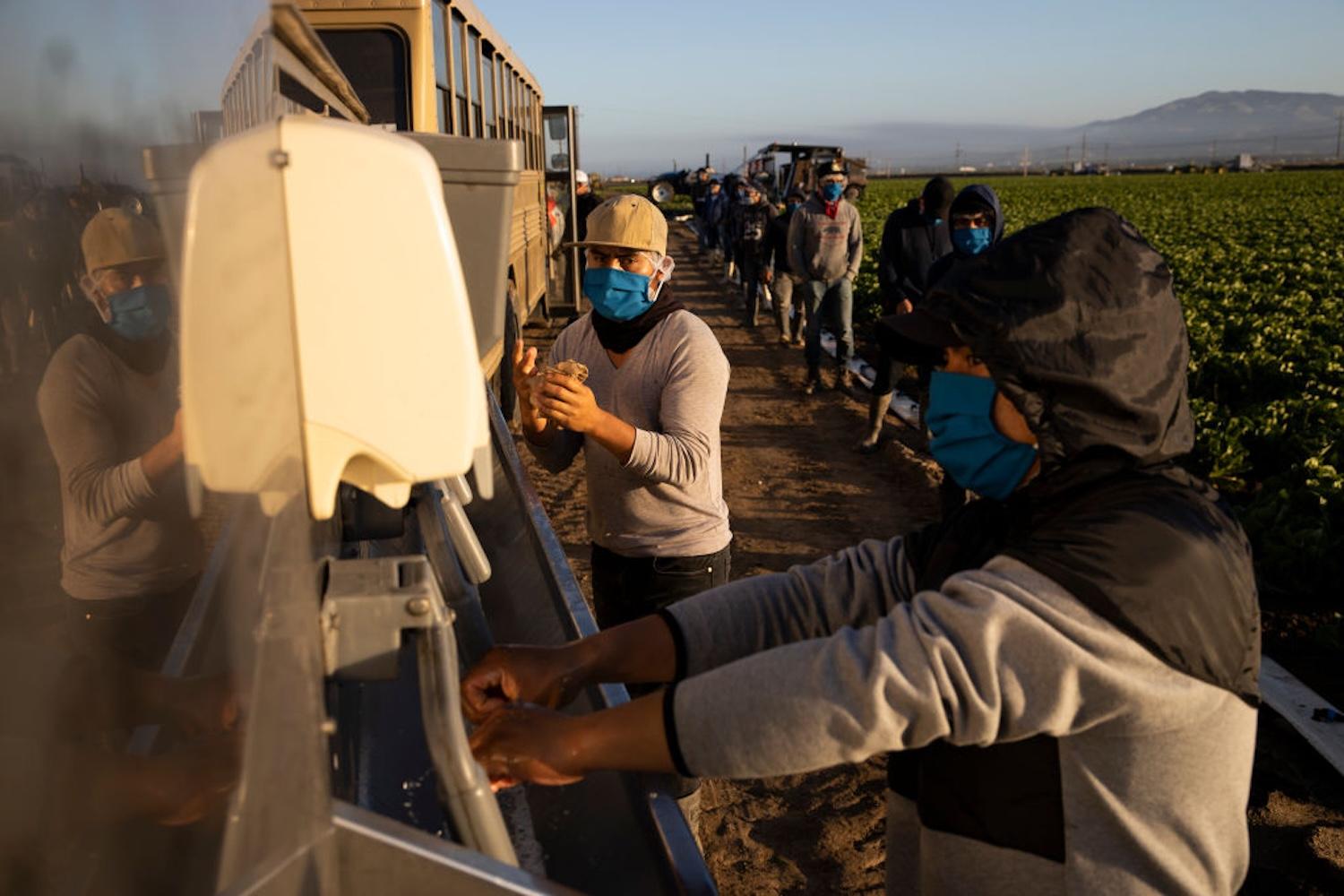
Texas restaurants, staggering under rising food prices and labor shortages driven in part by the ongoing immigration crackdown, are calling for Congress or the White House to provide more temporary work permits for undocumented immigrants employed in food service, agriculture and hospitality industries.
The Texas Restaurant Association, the American Business Immigration Coalition and the James Beard Foundation have joined with dozens of similar organizations in the Seat the Table coalition to create a Keep Food on the Table campaign. The lobbying effort is putting its weight behind “The Dignity Act,” a bill in the U.S. House that would allow otherwise law-abiding undocumented immigrants who have been in the U.S. continuously since Dec. 31, 2020, to join a newly created “Dignity Program,” making them eligible for temporary work permits.
The Dignity Program is part of a wide-ranging, bipartisan immigration reform bill that would add funding and staff for the Border Patrol and change procedures for assessing asylum seekers (including the creation of three “humanitarian campuses” on the southern border to hold them). It would protect immigrants brought to the U.S as minors (aka “DREAMers”), make the E-Verify program mandatory for employers, cut the wait times for visas and allow the building of barriers on the border.
It was a compromise when it was introduced as the Dignity for Immigrants while Guarding our Nation to Ignite and Deliver the American Dream Act in 2023 in that it gave both sides in the immigration debate things to love and hate. As is likely for any compromise in today’s political climate, it didn’t come close to passing.
Tweaked and reintroduced in 2025, the bill has secured 39 co-sponsors in the House. The key part for the Seat the Table coalition is the Dignity Program, which would offer work permits to long-term immigrant workers, who are vital to the food industry as it faces perennial shortages of Americans willing or able to take the jobs.
“The goal is to create temporary work permits for long-term, law-abiding immigrants throughout the food pipeline,” said Kelsey Erickson Streufert, chief public affairs officer for the Texas Restaurant Association. “So, everything from farms and ranches, meat-packing plants to restaurants, because all are critically understaffed. And if we don’t address those staffing shortages, we’re going to continue to see food prices increase, not only for restaurants, but for all American families.”
Streufert had just returned from a Capitol Hill lobbying trip last week when she spoke with the Observer. She said Seat the Table would support “executive action” or other steps to reduce the fear of detention and deportation among the population of immigrant workers, but the Dignity Act would represent the first wide-ranging immigration reform bill since President Ronald Reagan’s administration in 1986.
Forever Temporary?
The Immigration Reform and Control Act of 1986 included “amnesty” for around 3 million undocumented immigrants and gave them a path to citizenship, a bitter pill for hardline immigration opponents who believe, wrongly, according to some academic studies, that amnesty encouraged more illegal immigration.
Under the bill, those who enter the Dignity Program would be allowed to remain and work in the U.S. for seven years, provided they pay $1,000, any back taxes owed, an additional $7,000 within seven years and 1% of their adjusted gross income. They could receive no federal benefits and be required to have some form of health insurance, which is not common among low-wage workers. After completing the first seven years, they could continue applying for work permits for additional seven-year periods indefinitely, or, presumably, until they could no longer work and would have to leave.
That’s because the Dignity Program offers no path to citizenship. For Thomas Kennedy, a policy analyst at the Florida Immigration Coalition, that aspect makes the program exploitive.
“The cast of characters tells you everything you need to know about this,” Kennedy said when told about the Seat the Table coalition. “These are sectors heavily reliant on this labor.”
Immigrants in the Dignity Program would be consigned to paying income taxes — plus a 1% bump — without a political voice and no chance to earn one. That sounds a lot like taxation without representation, Kennedy said.
“Let’s not call it dignity,” Kennedy said. “This is the second-class citizenship act. … Let’s just be honest about what it is.”
Kennedy said he thinks a better bill would include something similar to the citizenship process in the Reagan-era bill.
Streufert said the coalition isn’t opposed to expanding citizenship, but Congress has not passed comprehensive immigration reform in the last 40 years; something akin to the Dignity Act would at least be a positive step for millions of immigrant workers who now live in fear. Not all law-abiding undocumented immigrants necessarily wish to become U.S. citizens, but they do want to support themselves and their families without fear.
“So to accomplish that goal for millions of people who today are living in very serious fear, I don’t think that’s something we should take lightly or miss out on a potential generational opportunity because of the lack of citizenship. … I think the most important thing is addressing this culture of very real fear and giving people the dignity and the security to know that they’re not going to be detained and deported.”
The supporters’ mantra, she said, is don’t let the perfect be the enemy of the good.
But the question might be, when is the good good enough? Or as Kennedy put it: “Is this the country we want to be?”
To read more about immigrants’ contributions to the U.S. economy and budget, check out this February report, “Immigrants’ Recent Effects on Government Budgets: 1994–2023,” from the libertarian-leaning Cato Institute
.