Adobe Stock

Audio By Carbonatix
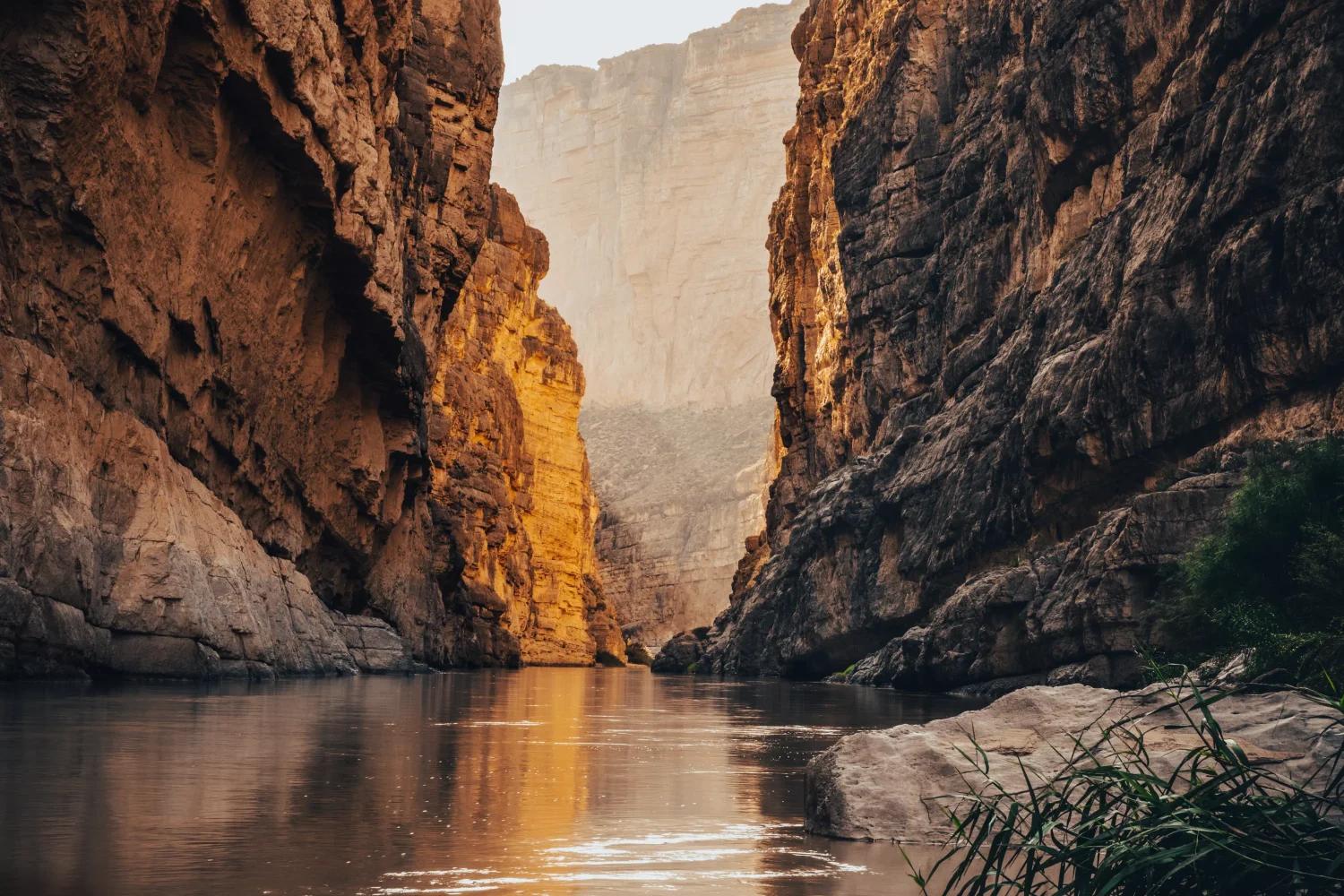
After months of controversy surrounding the Trump administration’s plan to erect a segment of the southern border wall through Big Bend National Park, local leaders are banding together.
Last week, judges representing each county along Texas’ southern border signed on to a letter sent to Department of Homeland Security Secretary Markwayne Mullin, asking that local municipalities be better informed and coordinated with on the infrastructure plans. Up until now, the administration has largely bypassed Congress and environmental laws to help usher through the 150-mile section of the wall.
“We support efforts to strengthen border security and recognize the importance of infrastructure where it is needed most. At the same time, we carry an obligation to speak honestly on behalf of the men and women we serve,” the letter states. “Stable communities, informed by local input and treated as partners, are essential to achieving lasting security outcomes.”
While stronger security along the border may be welcome, 30-foot steel is less so.
In the letter, the 14 judges warned that treating the entire Texas border with a one-size-fits-all approach fails to recognize the diverse communities that make up the expansive area. The letter also condemned complications arising from lapses in communication, such as challenges to property access and unexpected airspace closures.
This judicial protest comes as plans for the border wall are more uncertain than ever. Officials with Customs and Border Protection have declined to comment on plans for the wall, but online, the Big Bend plans have been quietly removed from official maps. Instead, postings now indicate that “detection technology” will be installed in the national park area.
The New York Times has also reported that Gov. Greg Abbott was assured earlier this month that no wall would be placed on park grounds, but in the same report, the Times claims that national park conversions have been scaled back in public only. Closed-door federal meetings suggest that the plans remain unchanged, the paper reports.
And even as Big Bend has been moved in and out of the border wall plans, private land owned by Texas residents in the surrounding communities has repeatedly been marked for construction.
“It’s been a lot emotionally, a lot of uncertainty, no one really knows what’s going to happen,” Denisse Carrera, a resident of Presidio, which sits northwest of Big Bend, told The Guardian. (A segment of the border wall is planned to run through Presidio.)
Part of the tension is that opposition to the wall crosses partisan lines, with community leaders of all political persuasions agreeing that safety measures are needed along the border, but that this proposed fix isn’t what will be best for the region. But for leading Republicans, speaking out against the wall could be seen as a condemnation of Trump’s broader immigration fight.
That has left community advocates to face off with the feds on this issue. On April 16, two advocacy groups rooted in preservation and conservation work and one private citizen filed a lawsuit against the Trump administration in an attempt to stall further movement on a border wall in the area. The filing accuses Mullin, DHS and CBP of bypassing federal protections in their efforts to “destroy iconic sections of the Rio Grande corridor.”
“Although the public lacks access to final construction plans for the Big Bend Wall Project and U.S. Customs and Border Protection has revised its stated plans multiple times, it is clear that the project will entail extensive border barrier construction on the U.S. side of the Rio Grande, which is likely to include hundreds of miles of new 30-foot-high steel bollard walls,” the lawsuit states. “This Project stands to fragment critical riparian and desert habitats, obstruct wildlife movement essential for endangered and transboundary species, disrupt natural river dynamics, and permanently damage fragile soils and vegetation that cannot be restored.”
The lawsuit also claims that construction of the border wall could disrupt archaeological sites, such as rock art, village remnants and burial grounds left by indigenous communities, and potentially harm historical structures in the area made of adobe.
In their letter, local judges are asking for better communication from DHS officials about plans for the region, better coordination with local law enforcement and landowners and protections for private land, water access and agricultural operations.
“Possibly for the first time in history, every one of those counties is speaking with one voice,” said Hudspeth County Judge Joanna E. MacKenzie in an op-ed published in the Austin American-Statesman. “Not in anger. Not in politics. But in partnership.”