
Adobe Stock

Audio By Carbonatix
Independent Journalism in Dallas Needs You
We need to raise $12,500 by August 9 to support the reporting our community depends on. Reader support keeps us independent and is playing a larger role in funding local journalism and shaping what comes next. If you believe independent local journalism matters, make a contribution today.
When students return to Dallas ISD classrooms this August, they will be handed a pouch that can only be unlocked with a specific magnet and told to drop all cell phones, tablets and AirPods inside.
It will be the second year the district complies with Texas’ statewide ban on electronic devices in the classroom. The mandate, known as House Bill 1481, was passed by the Texas Legislature in May 2025 and received bipartisan support. Nearly immediately, educators noticed a difference in student behavior.
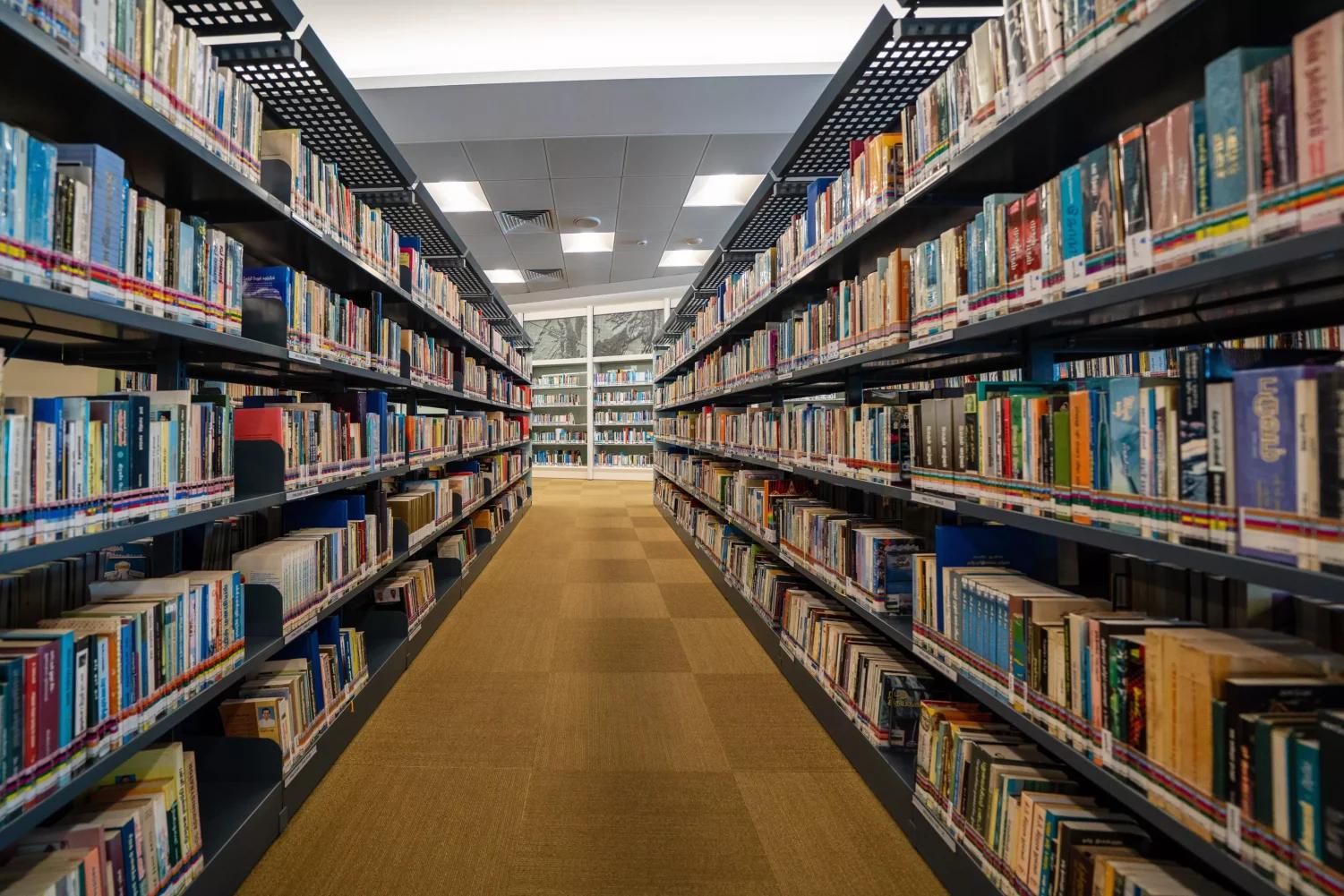
In Dallas schools, that looked like increased utilization of campus libraries. According to the district, nearly 1.3 million books were checked out in the 2025-2026 school year, an 18.3% increase from the school year before. Middle school campuses saw the most significant gains, with a 36.7% spike in library checkouts; the high school level saw a nearly 30% increase in library usage.
According to The Dallas Morning News, individual campuses are helping to drive that growth: at E.D. Walker Middle School, students checked out 6,700 books last school year, compared to 3,500 the year before.
“HB 1481 has helped our students rediscover what deep reading actually feels like,” said Patricia Alvarado-Barnes, Dallas ISD’s director of Library and Media Services, during a May meeting of the Texas House of Representatives Committee on Public Education.
Alvarado-Barnes was one of several educators who told lawmakers that the cellphone ban had a mostly positive impact on classrooms last school year. A West Texas A&M University researcher stated that research conducted at a rural high school near Fort Worth showed “increased student engagement, improved focus in the classroom (and) enhanced participation” after the ban went into effect.
Still, some research suggests that the impact of cell phone bans is mixed. According to The New York Times, a National Bureau of Economic Research survey found that cell phone bans have not resulted in higher test scores, and their implementation in some schools has been associated with increased disciplinary issues. (At least one Dallas ISD school that implemented a cell phone ban prior to HB 1481 going into effect has recorded substantial progress in decreasing student disciplinary offenses, The Morning News reports.)
Despite some concerns that the cell phone bans would result in students’ falling behind in technological literacy, Alvarado-Barnes said the reality was “the opposite,” and that campus libraries became hubs for coding, 3D printing, research and podcasting.
In the upcoming school year, Dallas ISD plans to invest in campus libraries to accommodate the increased student interest.
According to a statement from the district, librarians are prioritizing purchasing the “popular titles our students want to read,” while also developing programming within the library, which will vary on a campus-by-campus basis. The district also said it is “strengthening” programming on digital literacy, including artificial intelligence literacy, to ensure students are “well prepared for a technology-driven world.”
“We’re planning author visits and STEM programming in our libraries, and we’ll keep pursuing innovative approaches that give students the best possible experience,” the district said. “Together, these efforts reflect our mission: cultivating a culture of literacy, inquiry and innovation that empowers students to become lifelong learners.”