
Emma Ruby

Audio By Carbonatix
Political divisiveness may be the post-COVID status quo, but one issue has emerged this year as the unexpected ideological bridge that brings us all together.
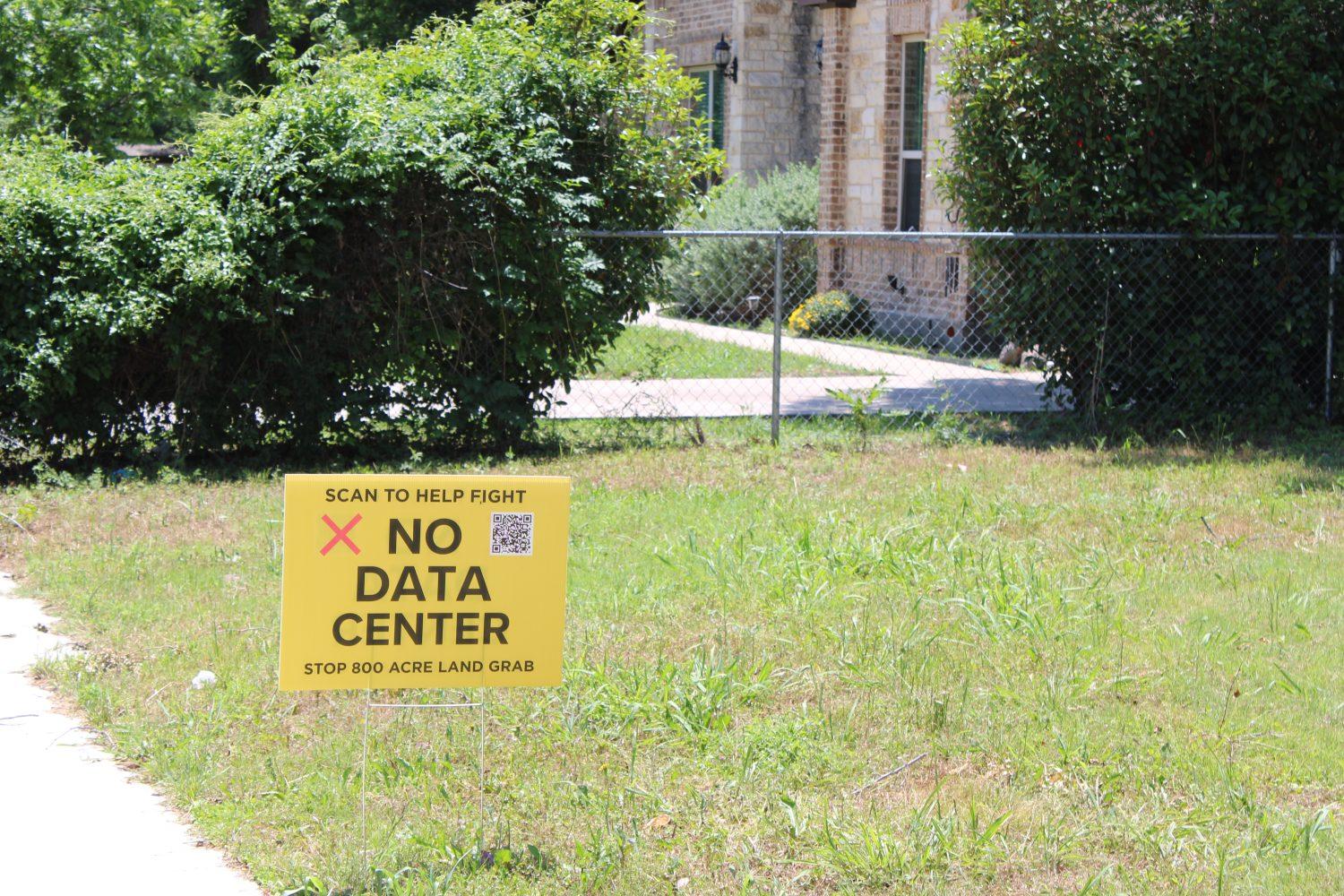
A majority of Texans do not like data centers, according to polling released this summer by the University of Texas/Texas Politics Project. The Lone Star State is expected to take over as the top market for data center projects, but 56% of those surveyed said they would oppose the construction of a data center in their community, with disapproval even higher in rural areas.
Proposed projects have drawn crowds of opposition in Red Oak, Keller and Hood County, but the data center boom had largely skirted Dallas until earlier this summer, when the Dallas Morning News reported that Dallas’ Market Hall may soon be converted into one. Now, some Dallas City Council members are saying they want more control over where data centers can be built within city lines.
On Tuesday, council members Chad West, Laura Cadena, Gay Donnell Willis, Zarin Gracey and Paul Ridley signed onto a memorandum that calls on the horseshoe to take up the data center issue within the next 30 days. The agenda item request outlines a plan to potentially update the Dallas Development Code with a land use specific to data centers.
As it stands now, data centers can be built in Dallas by right in most non-residential and mixed-use zoning districts. By creating a new land use, developers would be forced to apply for the appropriate zoning, initiating a city hall approval process that would allow for community feedback and greater oversight by the council on issues such as landscaping requirements and sound and light limits. The new land use would also give the council the ability to deny data center development in certain areas, control they do not currently have.
“We need to better understand how this new land use fits into our city code. Many residents have concerns about data centers’ energy and water use and compatibility in an urban environment,” West said in a statement. “We need to make sure they are zoned and regulated appropriately rather than allowed by right.”
Just in time
The council’s vote will come amid a pause in the Texas data center boom.
On Aug. 3, Gov. Greg Abbott announced a moratorium on new data center projects until an audit can be conducted on centers seeking connection to the state’s energy grid. It is unclear how long the audit will last, but it is the most dramatic move yet in what has been a clear retreat from technology development by Abbott.
Abbott has suggested that data center projects need to be more transparent about power and water consumption, and state Republicans have questioned whether large tax breaks granted to the developments should be rescinded. Still, the extent of control individual cities have over regulating developments has been questioned.
In June, San Marcos became the first Texas town to issue a blanket prohibition of data centers. That ban has been challenged by some officials, including Republican state Sen. Paul Bettencourt, who told the Texas Tribune that such a moratorium is not permitted under Texas’ “Death Star Law,” which prohibits municipalities from issuing ordinances that conflict with state law.
Bettencourt chairs the Senate Committee on Local Government and stopped a similar data center ban proposed in Hood County earlier this year. Ahead of a vote at the commissioners court, Bettencourt sent a letter to Texas Attorney General Ken Paxton, urging Paxton to take action against Hood County should the ban be approved.
Still, as Abbott has signaled support for tighter restrictions, other cities have begun to act.
In Austin, the city council is pursuing tighter regulations on large-volume water consumption to increase accountability. And on Tuesday, the Fort Worth City Council voted unanimously to initiate the process that will enact a 90-day moratorium on data center construction.
“This is an urgent moment,” said Fort Worth Mayor Mattie Parker in a statement. “We have the opportunity to lead by example in Fort Worth to enact smart regulations and bolster existing ordinances that put our city and its residents first, while also keeping our city competitive, attracting high-tech investment and expanding the municipal tax base.”