Lauren Drewes Daniels

Audio By Carbonatix
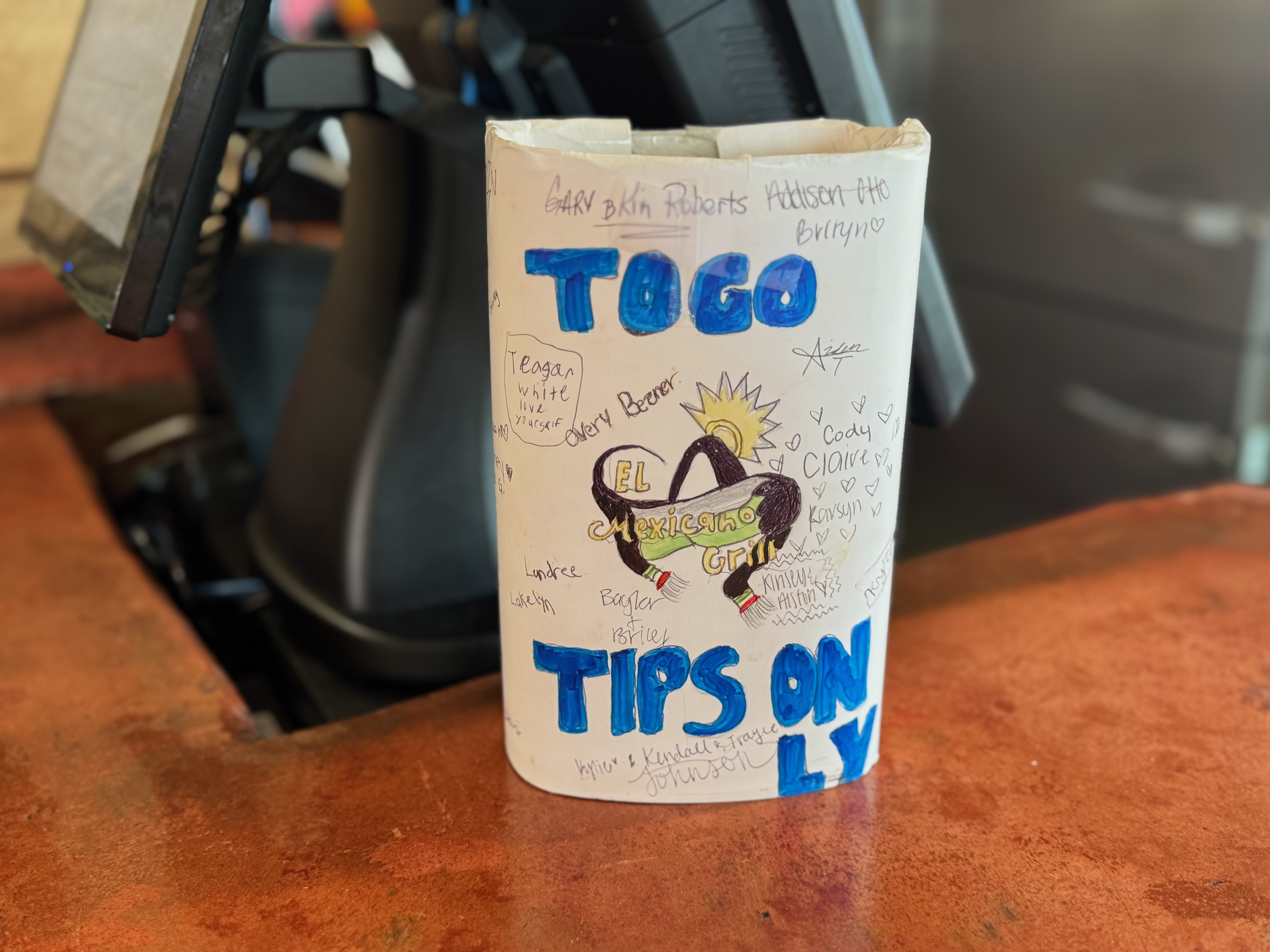
Whether you leave a 20% gratuity or not, we all agree that tipping culture is out of hand, even if it remains a pressing American custom.
And it isn’t because we don’t want people to earn a living wage. It’s because at every turn, we’re “asked a quick question” by someone who is selling race packages at an electric go-kart track (based on a true story).
There are even self-service kiosks inside restaurants that ask you to leave a tip (also based on a true story) with zero human interaction.
We’re all tired. And maybe broke, too. Gas prices just hit $3.49.
According to a new WalletHub survey, more than 2 in 5 Americans think the U.S. should ban tips.
By The Numbers
The survey explores various topics, such as when people should tip, whether they feel pressured to do so, and how gratuities should be split among employees.
Here were the results:
- 81% of Americans think tipping has gotten out of control.
- 64% think businesses are replacing employee salaries with customer tips.
- 55% feel that they have to leave a good tip due to social pressure rather than good service.
- 1 in 5 people tip less when they’re presented with a tip suggestion screen.
- 33% think tips should be split among all employees.
“Tipping seems to have lost its way, said WalletHub Editor John Kierman, “from being an additional reward to something mandatory masking the true cost of the services you receive.”
In his statement, he goes on to say that no one wants to leave service industry workers without a living wage, but most people don’t want to continue subsidizing the wages employers should be paying.
Until then, he suggests being more discerning about who we tip and how much we give. Which seems to be the most sustainable way to stick it to the man without leaving service industry workers hung out to dry.
Bucking the Trend
There’s only one restaurant in Dallas that we know of that doesn’t allow tipping, which is Gorji. “To me,” owner and Chef Mansour Gorji told the Observer in 2016, “a dining experience should be void of this hoopla, and that’s why we don’t rush you out the door to seat someone else in your place.”
To balance this decision, he raised his menu prices by 18-20%. He has been at the forefront of this movement since then, but no restaurants have followed in his footsteps.
But with so many locally owned restaurants in Dallas closing, would they survive by raising prices today?
Maybe what we all need to learn from this is not to be bullied into tipping for a service that was never provided. If the most someone did was hand you a bag, or sell you three electric go-kart races, they’re not banking on your dollar paying their rent this month.
It’s OK. Just click “no tip.”