
Chantal Anderson

Audio By Carbonatix
Reader support matters more than ever
We're in the final stretch of our summer campaign. Our goal is to raise $12,500 by August 9 to support the journalism our community relies on. Reader support is helping shape the future of local news.
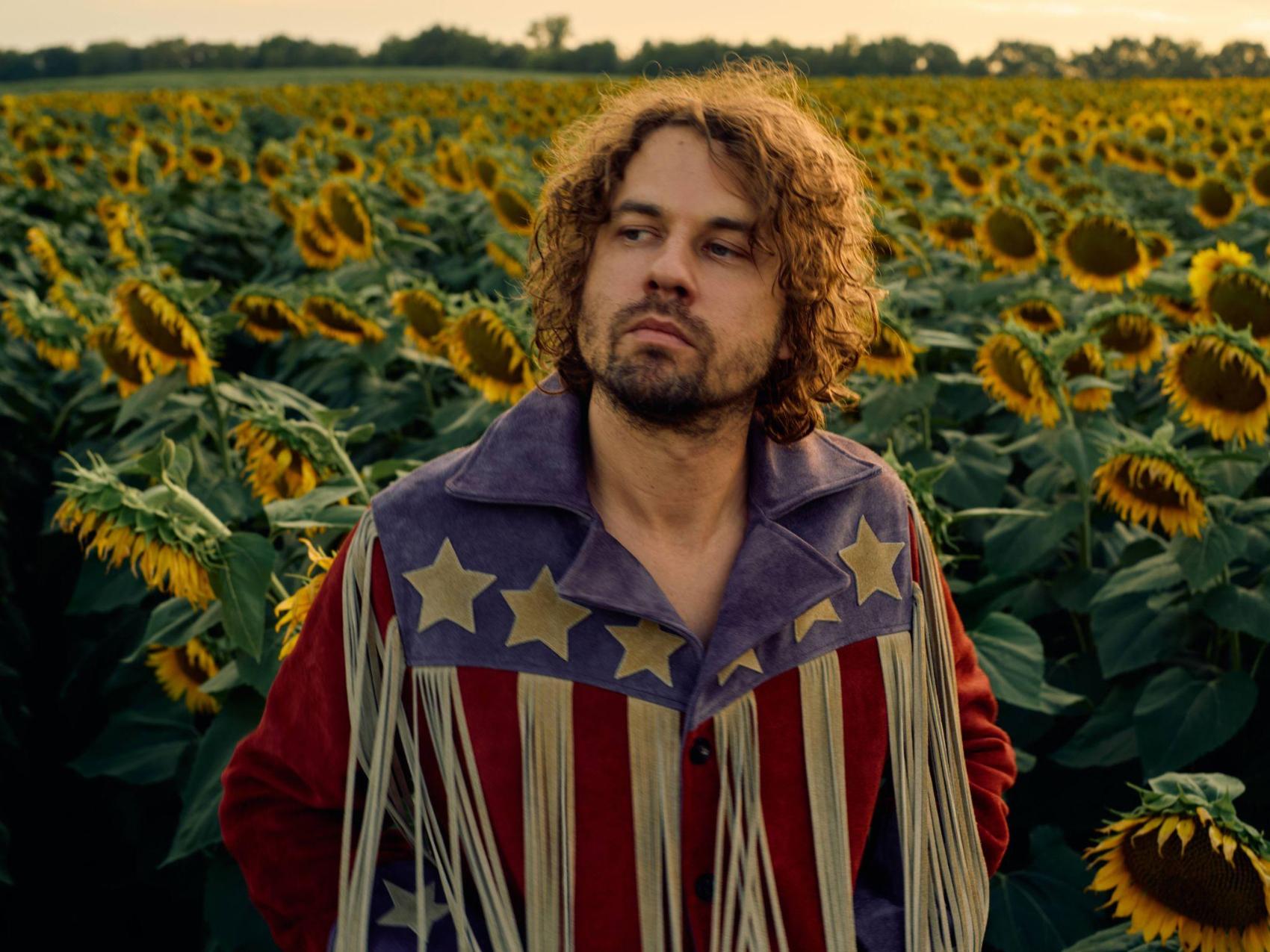
We in Dallas are spared from the expansive nothingness that extends most of our fine state. Some find the flatlands uninspiring, but for Kevin Morby, the inescapable lack is a symphonic playground for his eighth, most melodic and self-described “most vulnerable” album, titled “Little Wide Open,” and its eponymous tour. The artist, born in Lubbock, finished a 32-date North American tour in Texas this week, much to the chagrin of those who didn’t get a chance to see the genre-bending singer-songwriter who harmonizes with the prairies.
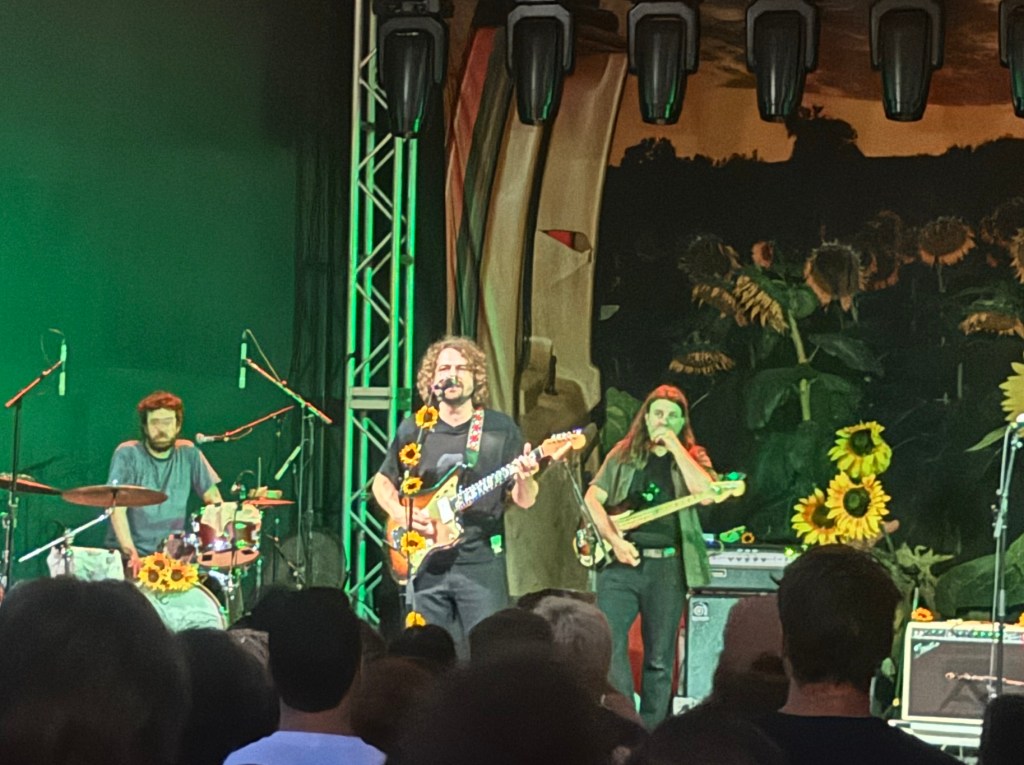
Morby played three back-to-back shows in Texas, starting in Houston, peaking the Texas Triangle at Tannahill’s Music Hall and Lounge in Fort Worth on June 19, and wrapping up with a spectacular set that we caught at Stubb’s Bar-B-Que in Austin on June 20.
Growing up in West Texas, Morby’s family relocated to the true Midwest early in his life, and in 2022, the artist moved to Kansas with his partner, fellow indie music heavyweight Katie Crutchfield, frontwoman for Waxahatchee. Morby’s music and sound are entirely defined by his love of the prairies, with a cicada chirp for a metronome.
Alyssa Fields
Morby maintained a consistent setlist throughout the tour, working through the best of his latest album with tracks like the mellow “Natural Disaster” and “Die Young,” before ripping into the meatier riff-dependent songs like “Javelin” and “100,000.” For the laid-back country purists and drawlers, Morby’s rhythmic tracks elicit more chaotic movement than a confined two-step.
Morby has been on the precipice of something big for years and has proved himself to be a poster child for the y’allternative movement, fusing simple acoustic chords with distorted, heavier sounds as a solo artist for more than 10 years. It just so happens that the peak of his signature sound coincides with an influx of Southern expats dominating the rising indie music scene.
Throughout the set on Saturday, Morby’s masterful guitar work emerged as the highlight of the show. The hi-fi recording of his albums translated seamlessly on stage, and his formulaic song structure with long instrumental breaks served the live performance well. In long stretches, Morby gave voice to his rotation of guitars, making them sing and belt in languid tunes.
After playing “Badlands,” an ode to the prairies, its God, fields and tornado sirens, Morby announced his departure from playing new music, leaning on his deep cuts and classics for the vast remainder of the show. He hit an energetic crescendo with a rendition of 2022’s “This is a Photograph,” a repetitive track that slowly builds its way to employing Morby’s entire band at maximum capacity. Easing back down, he worked through tracks like “Campfire” and “City Music.”
All the while, Morby strummed, far from a theatrical shred, showcasing his skill for creating digestible progressive chords and making his guitar an equally important character in his storytelling. His mastery lies within the simplicity of his music, playing riffs and rhythms that seem so natural and pure they must have existed for eons.
He preluded his final song with a near-promise to perform an encore, so long as the audience seemed satisfied enough. The band played the title track from his latest record, which culminated in a soothing, sentimental eight-minute ballad. In total, Morby played 18 songs, leaving a satiated audience with not much else to yearn for. Except maybe the Texas flatlands.
Staying true to his word, Morby and his band returned to the stage no less than two minutes after leaving it. In a world of customary, albeit compulsory, encores, the short wait was welcomed. He played three tracks, including a 2020 gun-violence protest song, “Beautiful Strangers,” and finished with the ten-year-old “Dorothy.”
With that, Morby and his band left an audience to hum his catchy, simple rhythms for days on end, and his show proved one thing: Less is more when it’s done by a musical maven.