
Adobe Stock

Audio By Carbonatix
Screwworm may have a name ripe for profane wordplay, but the destructive parasite is really no laughing matter.
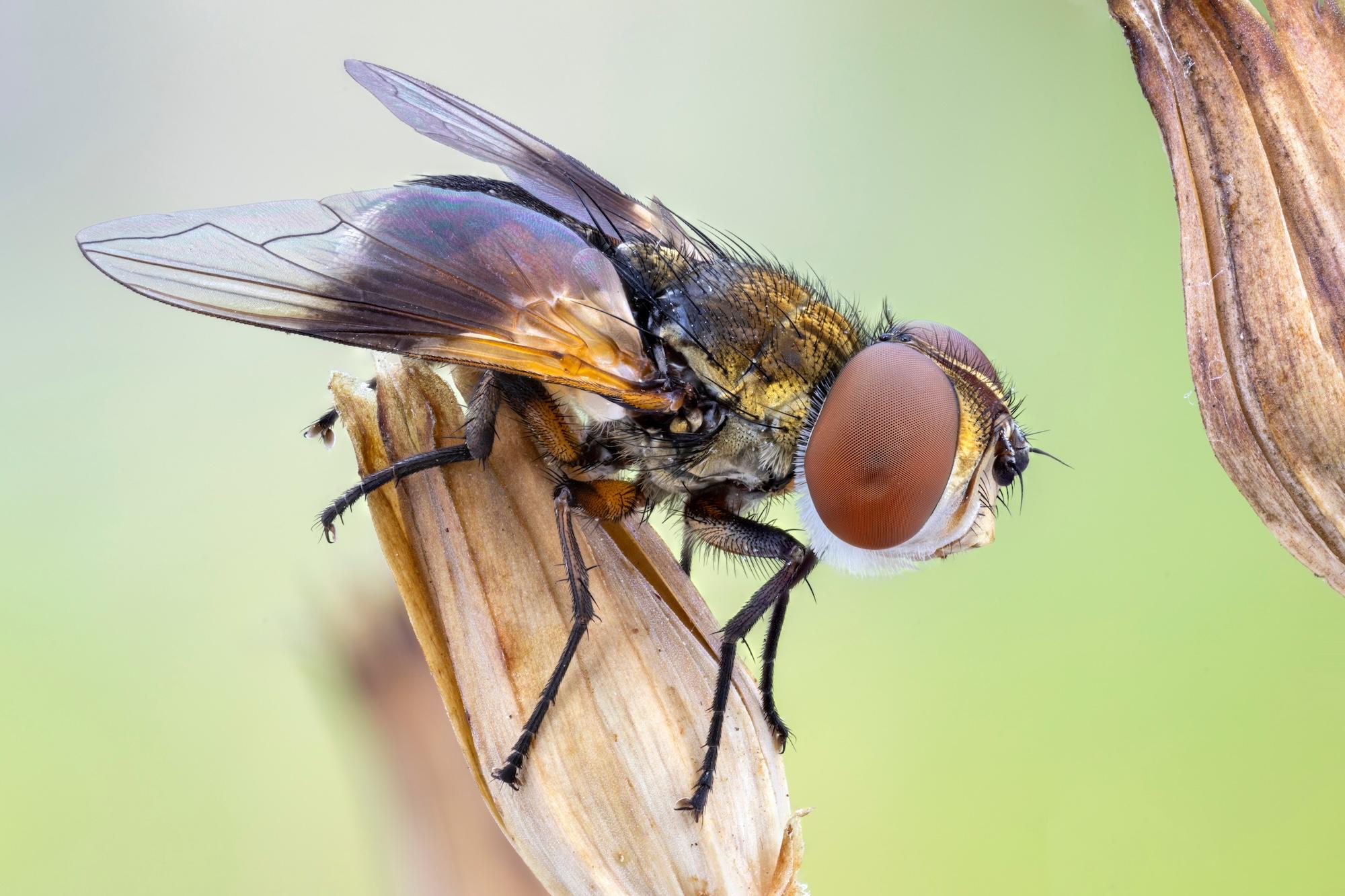
Earlier this month, state officials announced that for the first time in decades, the New World screwworm had returned to Texas. Screwworm flies lay their larvae in the open wounds of animals, and those larvae get nutrients by feeding on their livestock host. Once adults, the flies go on to find new animals to invade and continue the vicious life cycle.
Their feeding can be so voracious that it’s deadly, and while the plague typically affects animals such as cattle, the flies can lay larvae in any warm-blooded animal, including pets. According to a dashboard updated June 18 by the U.S. Department of Agriculture, 12 cases of screwworm have been detected in the U.S. since June 3.
Of the dozen cases, all but one have been in Texas. The infections have affected mostly sheep, cattle and goats. One dog in New Mexico was also found to be infected with screwworm. However, Guy Loneragan, dean and professor for the Texas Tech University School of Veterinary Medicine, told the Texas Tribune that “it’s not a time to panic.”
“We have been preparing for this for almost 18 months or longer in many cases, and there is a plan to address it,” Loneragan said.
Texas eradicated the screwworm in the 1960s, but a resurgence in the late ‘70s gutted the cattle industry, leaving farmers and ranchers down millions of dollars. Since 2023, the fly has been steadily buzzing north through Central America. While the flies can travel more than 100 miles independently, livestock transport aids their spread.
In June 2025, Texas Gov. Greg Abbott launched the Texas New World Screwworm Response Team after the parasitic flies were detected in Oaxaca, Mexico. The team was part of a $750 million investment into a long-standing defense strategy: dedicated facilities breed sterile male screwworms to help combat the spreading of larvae. A breeding plant is under construction at Moore Air Base in Edinburg, Texas, with the goal of releasing 100 million sterile flies per week by the end of 2027.
While the facility was not expected to open until November 2027, Abbott is now pushing for a May 2027 opening to help fight against the fly’s Lone Star State comeback. Federal funds are paying for the facility’s construction costs.
Abbott expanded a statewide disaster declaration just before the second case of screwworm was announced, and the governor told reporters that he expected construction to take place “24 hours a day, seven days a week, to make sure the facility in Texas will be up and running even faster than what is currently scheduled.”
“Here is the reality of this cycle. This is likely to spread over the course of the summer. During winter months, it may kill off the flies or reduce their number, but we can’t make it through a second summer,” Abbott said.
A major outbreak could be potentially lethal to Texas’ cattle industry, and wouldn’t do anything to help already sky-high beef prices. The U.S. Department of Agriculture estimates that an outbreak similar in size to the one that rocked Texas in 1976 would cost the Texas economy $1.8 billion.
As far as pets go, the guidance is a bit more reassuring.
Screwworm causes discomfort in pets that is fairly easy to notice, and if identified early, it can be treated. Earlier this month, the FDA granted emergency authorization for an over-the-counter drug that can be used to treat infections in dogs and cats, a defense tool that federal officials say is more than a year in the making as scientists began preparing for the screwworm’s U.S. reentry.