Tada Images/Adobe Stock

Audio By Carbonatix
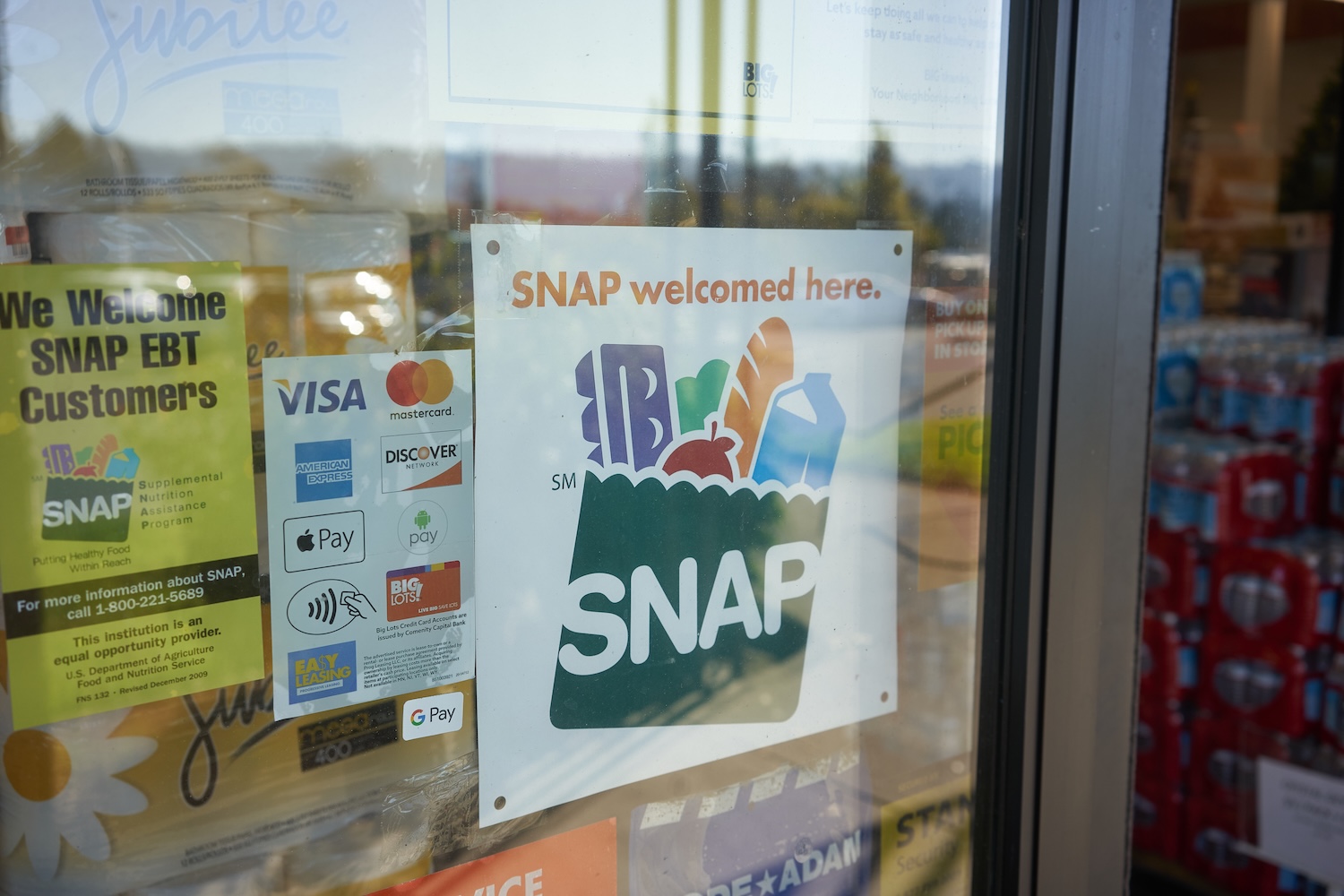
Sweet drinks and candy will be prohibited from purchase with Supplemental Nutrition Assistance Program (SNAP) benefits in Texas starting next month.
Under new restrictions taking effect April 1, SNAP benefits can no longer be used to purchase candy and most sweetened drinks in Texas. There are some exceptions, however, and responsibility for the restrictions will fall largely on retailers — not shoppers.
The restrictions will bring SNAP in Texas within the legal confines set by lawmakers with the passage of Senate Bill 379 last legislative session. While SNAP benefits are federally funded, responsibility for administering them falls jointly on the states and federal officials. Texas Gov. Greg Abbott also requested a waiver from the U.S. Department of Agriculture to prohibit items banned for purchase with SNAP benefits by SB 379, which was granted in August.
“Under the Trump administration, for the first time since the program was authorized, states can take steps to eliminate the opportunity to buy junk food with SNAP benefits and assure that taxpayer dollars are used only to purchase healthy, nutritious food,” Abbott wrote in a letter to USDA Secretary Brooke Rollins. “We appreciate your efforts to allow states to implement innovative changes to support our citizens to lead healthy and productive lives.”
Part of President Donald Trump’s campaign to “Make America Healthy Again,” the USDA has granted waivers to 22 mostly Republican-leaning states restricting SNAP benefits from being used on items deemed unhealthy. However, pushes to restrict SNAP purchases have enjoyed some bipartisan support. Four Texas Democrats voted for SB 379, while nationally, Hawaii, Colorado and Virginia have been granted waivers on SNAP restrictions.
Feeding Texas CEO Celia Cole said about 3.4 million people in Texas use SNAP, three-quarters of whom are older people, children and people with disabilities. The nonprofit organization she heads up represents a statewide coalition of more than 20 food banks.
“It’s a very diverse population that SNAP serves. It’s probably one of the broadest anti-hunger programs. So you have veterans, you have working families,” Cole said. “Most people have income near or below the poverty line, but the vast majority of able-bodied adults are working.”
In Texas, a single person can receive a maximum SNAP allotment of $298 per month, while a family of four can receive up to $994, according to the state health commission.
What Can’t Be Bought?
With the restrictions, candy bars, taffy and gum will be prohibited for purchase with SNAP benefits in Texas. The restrictions also apply to nuts, raisins or fruits that have been candied, crystallized, glazed or coated with chocolate, yogurt or caramel, according to the Texas Health and Human Services Commission, which administers SNAP benefits in the state.
Rules on drinks are also nuanced. Restrictions prohibit the purchase of sweetened beverages, defined as nonalcoholic drinks (purchasing alcoholic beverages with SNAP benefits is already prohibited) made with more than five grams of sugar, any artificial sweeteners or less than 50% natural fruit juice by volume. Sports drinks like Gatorade will also be prohibited, Cole said.
Certain sweetened drinks can still be purchased with SNAP benefits after April 1, including:
- Milk products like chocolate milk, soy milk or milk-based substitutes.
- Drinks containing 50% or more vegetable or fruit juice by volume.
- Drinks natural sweeteners (such as stevia, stevia leaf extract, and monk fruit) with less than 5 grams of added sugar.
- Medical-grade electrolyte drinks.
Alcoholic beverages, hot food (with few exceptions), tobacco products, vitamins, pet food and household products are also prohibited.
What Do Customers and Retailers Need To Know?
Not everything sweet is prohibited by the new regulations. Ice cream, sherbert and frozen yogurt can still be bought, as can some common kitchen ingredients. Snacks like chips, granola bars and popcorn can also still be purchased.
“People can still use things like chocolate chips, if they’re used for baking. Marshmallows, things like that,” Cole said. “So, it’s complicated, but everything else, produce, meat, dairy, grains, flour; anything that people need to put food on the table to make meals is still eligible.”
Along with natural fruit juices, Cole said SNAP participants should look for items advertised as sugar-free, unsweetened or low-sugar on beverage packaging while shopping.
While customers can remain alert while shopping, the responsibility for regulating the purchase of prohibited items will fall on retailers, so customers won’t be penalized for purchasing a prohibited item. Cole explained that most retailers signed up to accept the benefits already have point-of-sale systems that detect prohibited items when Texans swipe Lone Star Cards to use SNAP money.
“A lot of the administrative burden of implementing these restrictions has fallen on the retailers, because they’re the ones who have to update their systems and make sure that their systems don’t allow people to use their SNAP benefits for these newly restricted items,” Cole said.
Advocacy groups and lawmakers have expressed concern that the changes could impact both retailers and customers. A spokesperson for Austin-based nonprofit Every Texan recently told The Texas Tribune that restrictions “will lead to more Texas families going hungry, all while adding an unsustainable bureaucratic burden on Texas’ small businesses,” while Dallas Democratic state Sen. Nathan Johnson has instead called for SNAP credits to be doubled when purchasing fresh produce.
The restrictions come in the wake of federal cuts to SNAP funding that took effect in July 2025 as part of the “One Big Beautiful Bill Act,” which cut SNAP funding by $187 billion through 2034 and imposed stricter work requirements for program participants.