
Adobe Stock

Audio By Carbonatix
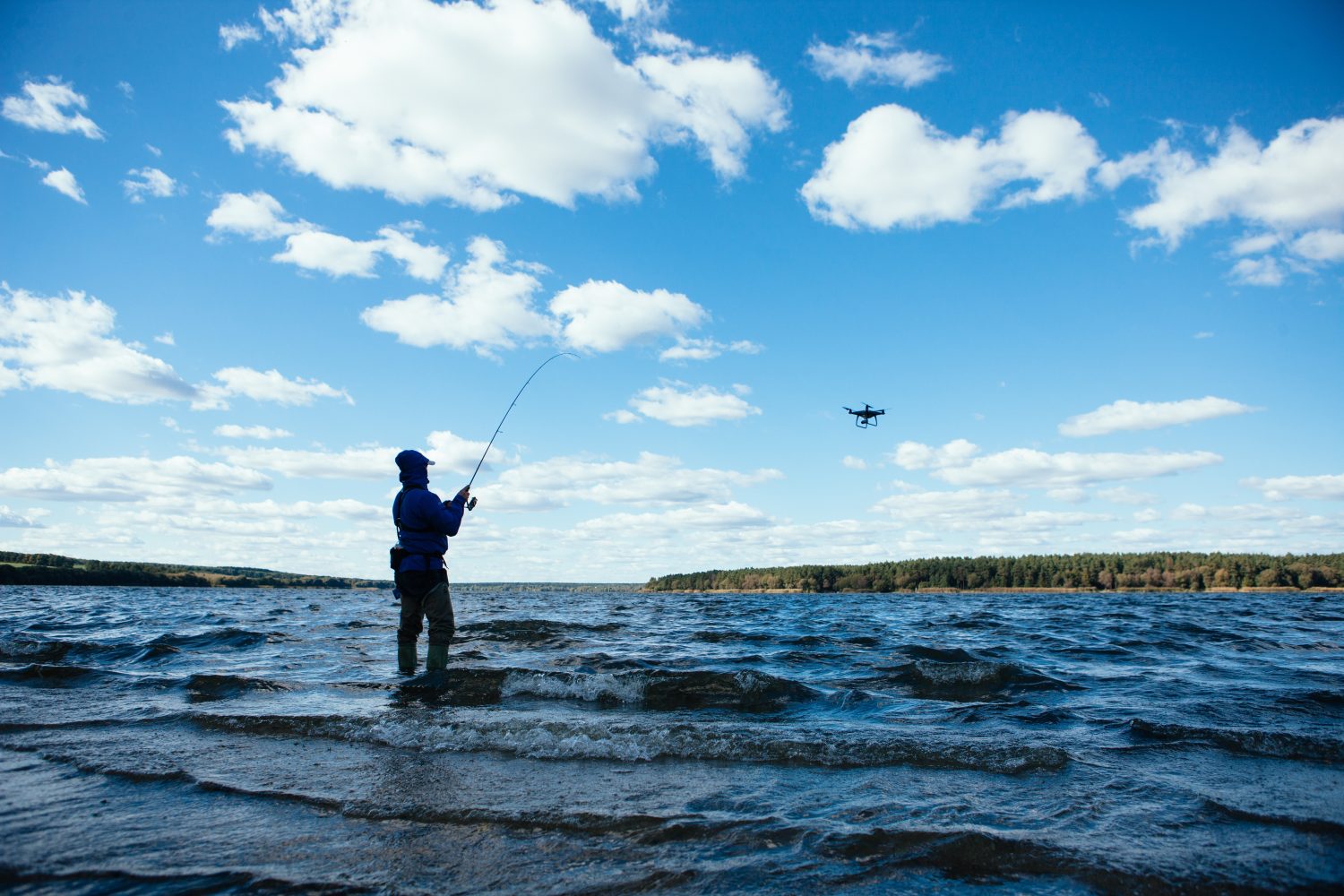
You can fly drones for cool aerial photography shots, the Dallas Police Department can use them for warrant executions and delivery services can fly them over everyone’s backyard at various decibels, but absolutely no one can fish with them, according to a statement from Texas Parks and Wildlife.
The department stepped in Monday to answer the question on everyone’s mind, evidently, and gave the answer nobody wanted to hear.
“The Texas Parks and Wildlife Department (TPWD) has noticed an increase in questions connected to [drone] use in relation to fishing and wildlife,” the department wrote in the release. “Some of the most frequent questions have been about the legality of using drones for deploying bait by surf or bank fishermen.”
Drone fishing utilizes a specialized contraption, costing approximately $1,000, to fly a baited hook far beyond the casting reach of a standard rod and reel. With high-tech cameras, a fisherman can watch a livestream before deciding where to drop the bait. From there, it’s the usual fishing experience: sitting and sipping while waiting for a bite before reeling in the day’s catch.
In reaching a firm and hard “no,” TPWD reviewed the 1956 Federal Airborne Hunting Act, which prohibits the shooting or harassing of any animal from an aircraft. They also counseled with the Office of Law Enforcement and the United States Department of Fish and Wildlife Service. No stone was left unturned.
“The result of that analysis and discussion is the determination that [the Federal Airborne Hunting Act] prohibits the use of aircraft, which includes UAS or drones, to take or attempt to take wildlife, or aid in the act of fishing.”
According to TWPD, federal law bans recreational and commercial fishermen from using drones to deploy bait, and also prohibits states from issuing fishing licenses that would permit drone usage.
There are no exceptions to the law. No wildlife, including amphibians, crustaceans, invertebrates and every other rootless living being you could possibly name, dead or alive, can be pursued or collected using an airborne vessel on any private or public lands. Unless, of course, you’re hunting feral hogs, coyotes and aoudad sheep, which are all qualified as invasive species. In those instances, you may not even need a hunting license, so long as you’re hunting on private property.
Since 2011, hunting coyotes and hogs while hanging from the side of a roving chopper, Terminator style, has been completely above board, thanks to the fruitful work of now Texas agriculture commissioner, Sid Miller. Then, Miller was serving in the Texas House of Representatives and was instrumental in passing the law, known as the Pork Chopper Bill.
There are several helicopter hog hunting companies that offer services via helicopter across the state. However, please note that, like any hunting excursion, the price starts in the thousands and only increases depending on upgrades, such as machine guns. But can you really set a price on the full Arnold Schwarzenegger experience?
Because hogs, coyotes and aoudad sheep are non-native invasive species that create great economic damage to ranchers and landowners, hunting them from a helicopter is not considered sport. But to shoot any other animal is a felony, punishable by up to one year in jail and a $5,000 offense. The same charges apply to those using drones to fish.
Unless the state greenlights drone fishing for the zebra mussels that lurk in Grapevine Lake, it looks like tech-savvy fishermen are S.O.L. for now.