
Adobe Stock

Audio By Carbonatix
Through the last legislative session, the drug on Republican lawmakers’ minds was THC. Now, another synthetic drug is under the microscope.
Texas Attorney General Ken Paxton has filed a lawsuit against the retailer Smokey’s Paradise, which has locations in Oak Cliff and Midlothian, for allegedly selling kratom products well over the legal limit of potency. Paxton described the lawsuit as “part of a sweeping initiative” to crack down on kratom, which was regulated by the state in 2023.
Until now, however, those regulations have gone largely unenforced.
“Kratom is addictive and deadly, and I’m suing these companies for knowingly endangering Texans by selling products with nearly 50 times the legal limit of this opioid,” said Paxton in a statement. “The Legislature enacted clear safeguards to protect consumers from deadly kratom products, and my office will aggressively enforce those laws against anyone who puts Texans’ health at risk with these drugs.”
What is Kratom?
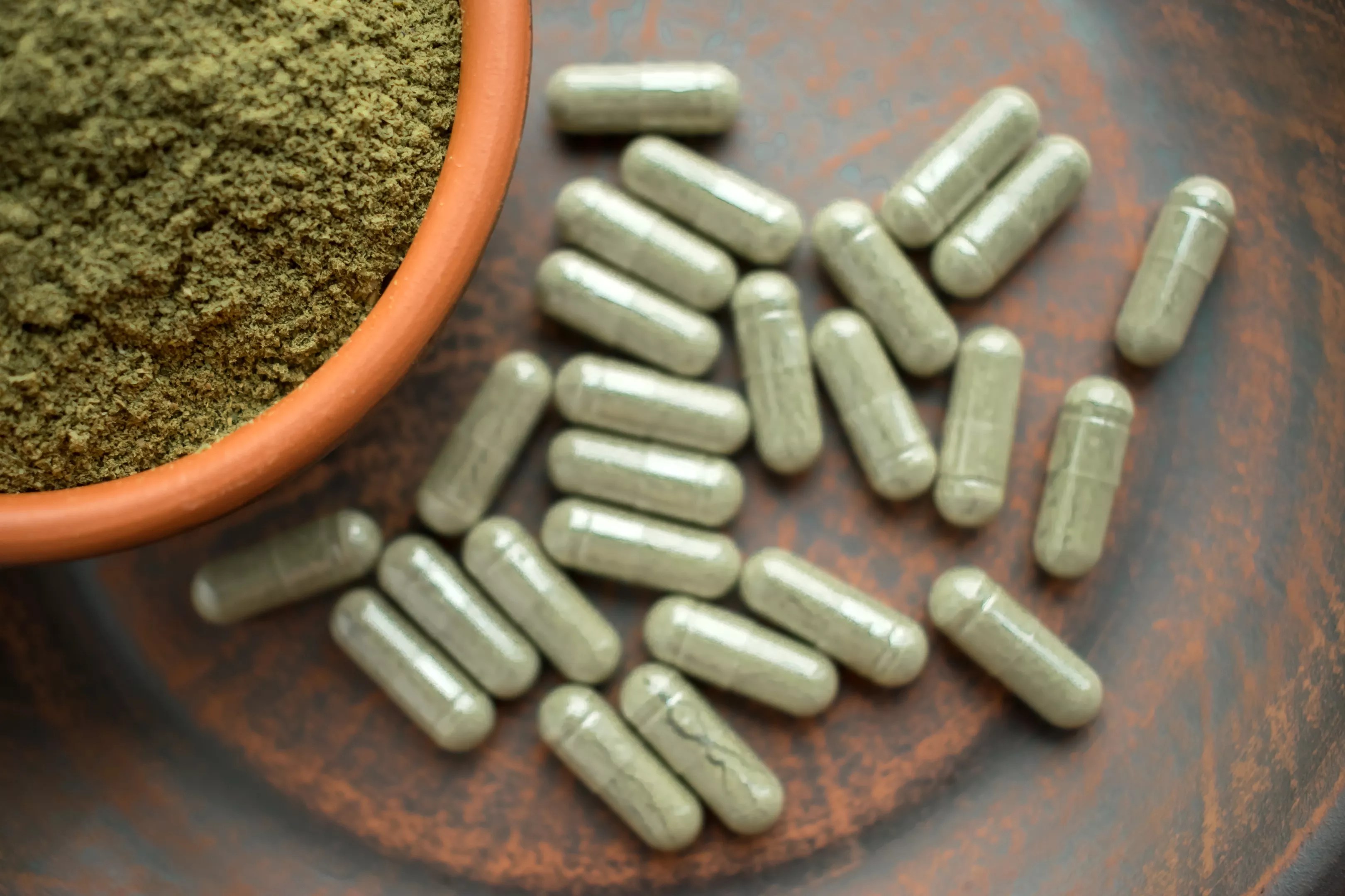
Kratom is an herbal extract that comes from a tree native to Southeast Asia, which, according to the Drug Enforcement Administration, can produce stimulant and sedative effects when consumed in low and high doses, respectively.
On a chemical level, Kratom can be either extracted directly from the plant or synthetically extracted and altered to create a more potent product known as 7-Hydroxymitragynine, or 7-OH. According to the Food and Drug Administration, 7-OH is 13 times more potent than morphine, and could be a worrying development in the fight against opioid addiction. In Texas, you’re likely to find the drug in pill form being sold at gas stations or smoke shops, where it is marketed as energy-boosting and a pain reliever.
The synthetic production of kratom was banned in Texas in 2023, but Paxton’s lawsuit claims some retailers are not complying.
How Dangerous is Kratom?
Between 2019 and 2024, the Texas Poison Center Network recorded more than 600 kratom-related poisoning calls. Of those calls, 10% resulted in life-threatening symptoms, and five deaths were recorded. The Federal Drug Enforcement Administration recorded 15 deaths involving kratom between 2014 and 2016.
The Texas center does not distinguish between calls resulting from synthetic kratom and the natural version, but medical experts tend to be more wary of the 7-OH product because of its potency.
“I have seen people who have taken a 7-OH product become crippling addicts in under a week. This is something we have never seen,” Tiffini Steding, co-owner of a Texas kratom distributor, told the Texas Tribune last year.
Kratom and 7-OH are believed to have addictive qualities, and side effects can include nausea, hallucinations, trouble breathing and seizures. Last August, a Dallas teenager died after mixing kratom with the pharmaceutical drug Klonopin, which he was not prescribed.
What Has Texas Done to Regulate Kratom?
In 2023, officials passed the Texas Kratom Consumer Health and Safety Protection Act, which limits 7-OH potency in a kratom product to 2% and bans the synthetic process that concentrates the alkaloid. Despite that, the industry hasn’t rushed to comply with the regulation, and state agencies have few resources for enforcement.
A similar issue has been recorded across North Texas as shops have been busted for carrying THC products above the legal potency limit. According to Paxton, laboratory testing confirmed that Smokey’s Paradise sold products containing 86% to 96% of total alkaloid content, “far exceeding” the 2% allowable amount.
In the last legislative session, the Senate passed a bill that would have completely banned kratom products in Texas, but advocates warned that the bill would have repercussions for Texans who use the herb for pain relief, mental illness and other self-treatments. The bill died in the Texas House.
Federally, kratom is not listed under the Controlled Substances Act, but last summer, Health and Human Services Secretary Robert F. Kennedy announced that the Food and Drug Administration had recommended the 7-OH synthetic be scheduled and classified as a controlled substance, which will allow for government regulation.
“Vape stores are popping up in every neighborhood in America, and many are selling addictive products like concentrated 7-OH. After the last wave of the opioid epidemic, we cannot get caught flat-footed again,” said FDA Commissioner Marty Makary in a statement. “7-OH is an opioid that can be more potent than morphine. We need regulation and public education to prevent another wave of the opioid epidemic.”