Jacob Vaughn

Audio By Carbonatix
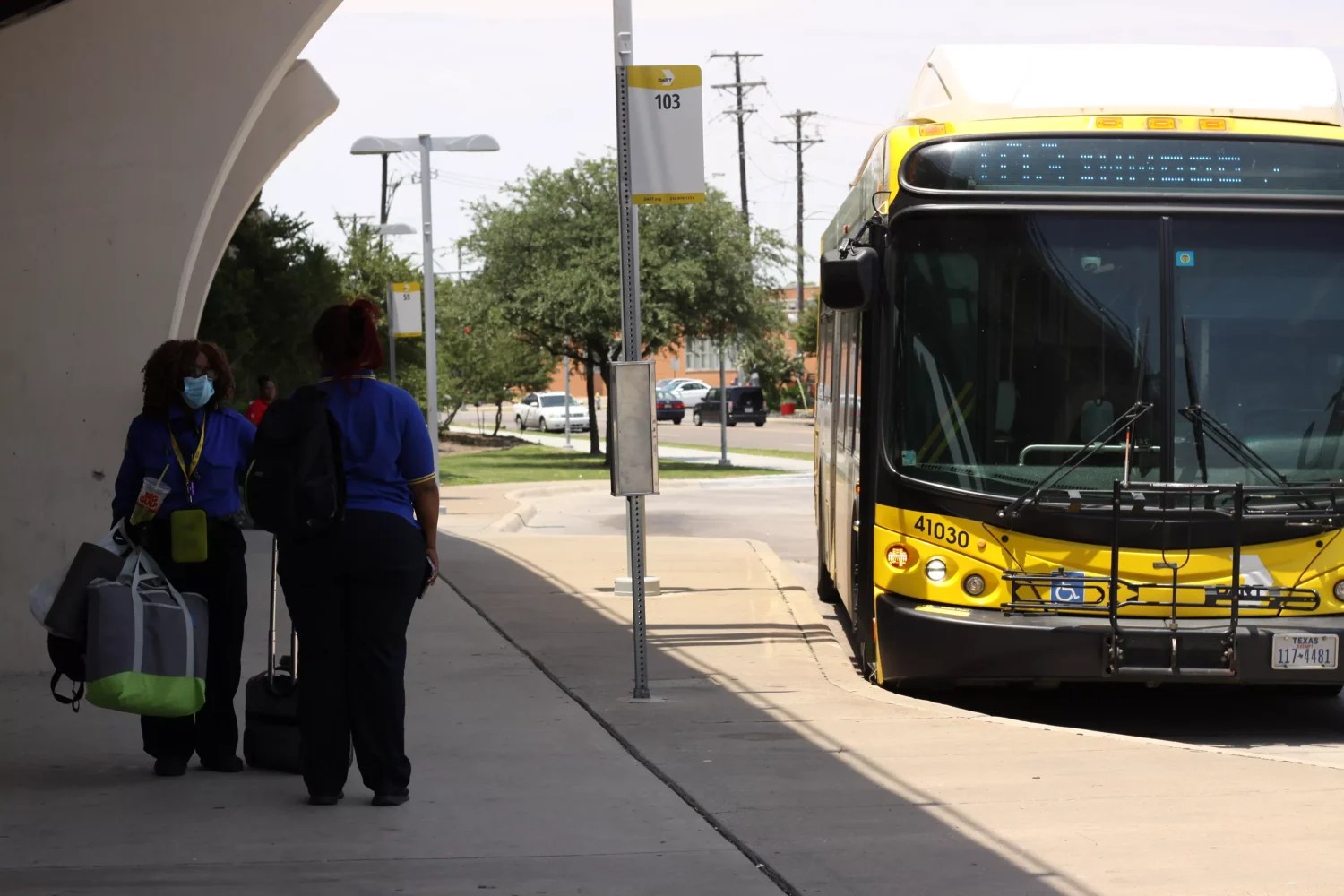
University Park is the latest North Texas city asking voters to decide whether to continue supporting the Dallas Area Rapid Transit system.
The University Park City Council voted unanimously on Tuesday to put the issue on a ballot this spring, joining Plano, Irving, Farmers Branch and Highland Park in potentially pulling out of the system. The Addison City Council considered a withdrawal but ultimately did not vote to place the measure on the ballot.
University Park council member Phillip Philbin motioned for the measure to be added to voters’ ballots, stating that dwindling services, low ridership and cost had put the service out of step with the city’s priorities. DART member cities contribute a one-cent sales tax to the agency, but a study conducted by the consulting firm EY found that University Park is one of several cities paying more into DART than what it receives. The report found that University Park contributed more than $6 million in 2023; however, DART spent just $1.8 million on services within the city.
“We only get the opportunity to withdraw from DART once every six years, so the question tonight is what’s the cost to stay in DART for another six years?” Philbin said, suggesting that a sales tax projection showed an additional $44 million cost to remaining a DART member city.
If University Park residents approve a withdrawal from DART, the agency would cease operations within the city immediately. Still, proximity to Mockingbird Station’s rail line could help some residents continue to see the benefits of the DART system even if it is technically shuttered.
Several residents urged the city council not to allow a withdrawal vote. One was a Frisco student who hopes to attend SMU and worries about what DART’s service stoppage would mean for students getting around town. Several others were the mothers of disabled residents who depend on DART’s paratransit services.
“It’s been a lifeline for our family, allowing Trevor to maintain some independence and remain connected to his community,” said Julie Collier, whose son is autistic and utilizes paratransit to get home from work. “This is not about a bus ride down Preston Road or a troubled train system; this is about much more.”
Collier said she believes University Park’s decision to abandon paratransit services would constitute a “civil rights issue,” and said she is concerned that most voters are not informed about the services DART offers disabled residents. In August, DART attempted to reduce service zones and increase prices for paratransit services, but the proposal was stymied by community outrage.
Philbin suggested that the University Park City Council would be open to continuing to fund paratransit services even if the electorate votes to withdraw from DART. Citing numbers provided by the agency, he stated that University Park paratransit logged approximately 700 rides in 2025. (Collier called that number into question, and Philbin added that the number was in the 1,700s in 2024.)
To fund paratransit for the most ridden year of the last three years, Philbin estimated, would cost the city just over $112,000.
Despite the community’s speeches, the city council’s vote seemed locked in after a meeting with DART officials on Monday. Randall Bryant, a member of the DART board, described the debate as “spirited” and said, “I’m not sure there’s much more we can add.”
“DART does not need any additional cities to call for an election for us to understand the severity [of this issue],” Bryant told the council Tuesday, asking for a reprieve that did not come.