
Waymo

Audio By Carbonatix
Across Texas, the rollout of driverless taxis has signaled a step into the new age. But after a video circulated online showing a Waymo autonomous vehicle blocking an ambulance shortly after the March 1 mass shooting in downtown Austin, which killed three people and wounded 15 others, new attention is on the potential downside of driverless cars.
In the video, a Waymo robotaxi sits perpendicular to the road as emergency services vehicles attempt to reach Buford’s, the 6th Street bar where the shooting occurred. For 50 seconds, onlookers watch in frustration as the car inches forward a little bit at a time, its systems confused by the influx of EMS vehicles which the robotaxis are trained to detect.
“This is why we should not have self-driving cars,” yells one onlooker, as others urge the autonomous vehicle to “go.”
Later in the video, an Austin police officer manages to get into the robotaxi. Another 40 seconds pass before he can manually drive the vehicle into a nearby parking garage. Austin officials have stated that they do not believe the incident significantly hindered emergency personnel’s response to the shooting. According to a statement from Waymo, the vehicle was called to the area by a rider who’d been at a bar in the area and was attempting to leave shortly after the shooting.
“As the Waymo vehicle approached the pickup spot along the same route as other traffic, it encountered emergency personnel,” Waymo told the Austin American-Statesman. “The vehicle immediately began making a U-turn to clear the way, and a nearby officer assisted. We are deeply appreciative of first responders and our shared effort to safety and serving the community.”
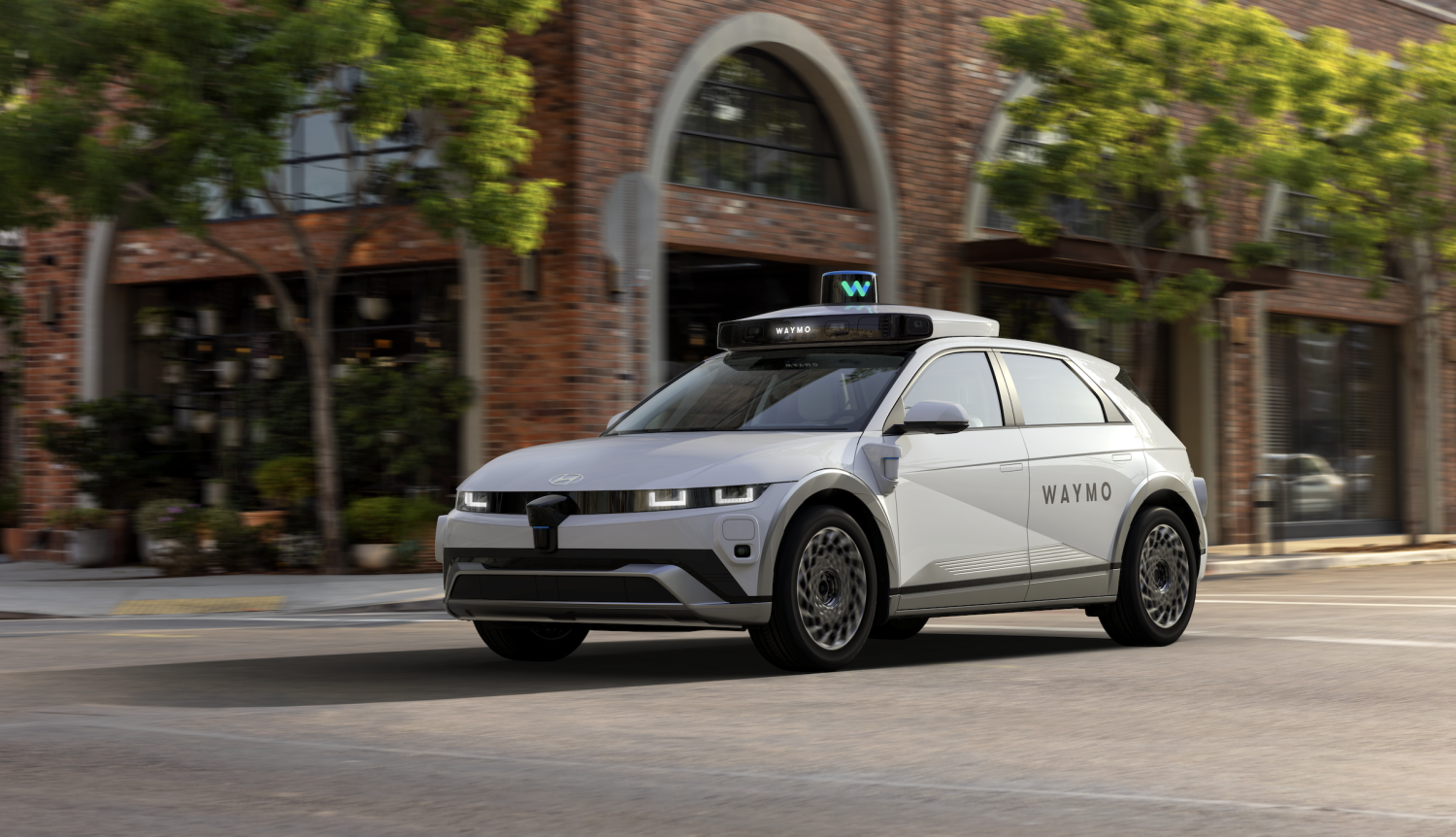
Waymo’s autonomous taxis launched in Dallas just a few weeks ago after months of the white, camera-clad vehicles roaming the streets to collect data. The company also fully launched in Houston and San Antonio last month.
In a statement, Dallas Mayor Eric Johnson described the company’s Dallas rollout as bringing a new, “innovative transportation option” to town while prioritizing public safety. In cities where the autonomous vehicles have been operating, though, the innovation has not come without a few road bumps. According to a city of Austin dashboard that records incidents involving autonomous taxis, 231 glitches have been recorded since the programs came to town in 2023.
Among the recorded incidents, nearly one-third are identified as “safety issue,” and there are dozens of instances in which the driverless vehicles blocked traffic, failed to stop for a school bus, and ignored directions from the Austin Police Department. Waymo’s frequent passing of stopped school buses has been an especially serious issue, leading to a partial recall of the vehicles last December after incidents were recorded in Austin and Atlanta. The frequent incidents have also inspired an investigation by The National Transportation Safety Board.
“Self-driving vehicles are the future,” Tray Gober, an Austin personal injury lawyer, told the Texas Tribune. “There will be less crashes because of self-driving vehicles. But the future isn’t today because these vehicles are not ready.”
If the March 1 incident in Austin caused any weariness amongst Dallas’ officials, there isn’t much they can do. In 2017, the state legislature passed a law barring individual cities from regulating self-driving vehicles. State leaders said the measure was necessary to ensure the industry could grow across the Lone Star State.
A spokesperson for Dallas directed the Observer to the individual operators for questioning, citing the state statute that prevents city officials from “[imposing] regulations related to the operation of automated vehicles or automated driving systems.” Officials in Austin and San Antonio told the Texas Tribune that first responders have received training on how to manage vehicles that have become unresponsive or are impeding emergency services at a scene.
At least some new regulations for autonomous vehicles are on the horizon. Last summer, the state legislature passed a bill that directs the Department of Motor Vehicles to implement a stricter framework for what steps an autonomous vehicle must take before operating on Texas’ streets. Operating companies will be required to certify that their vehicles comply with road laws and to provide a first-responder plan detailing how emergency personnel are expected to interact with the vehicles in a situation like the one that unfolded in Austin on March 1.
The regulations will go into effect at the end of May.