Adobe Stock

Audio By Carbonatix
As North Texas police departments have increasingly turned to surveillance technologies to aid in investigations, civil liberties advocates have expressed concerns about the potential impact of constant monitoring on individual privacy. Now, an investigation has found flaws in the security of cameras owned by one company active across Dallas.
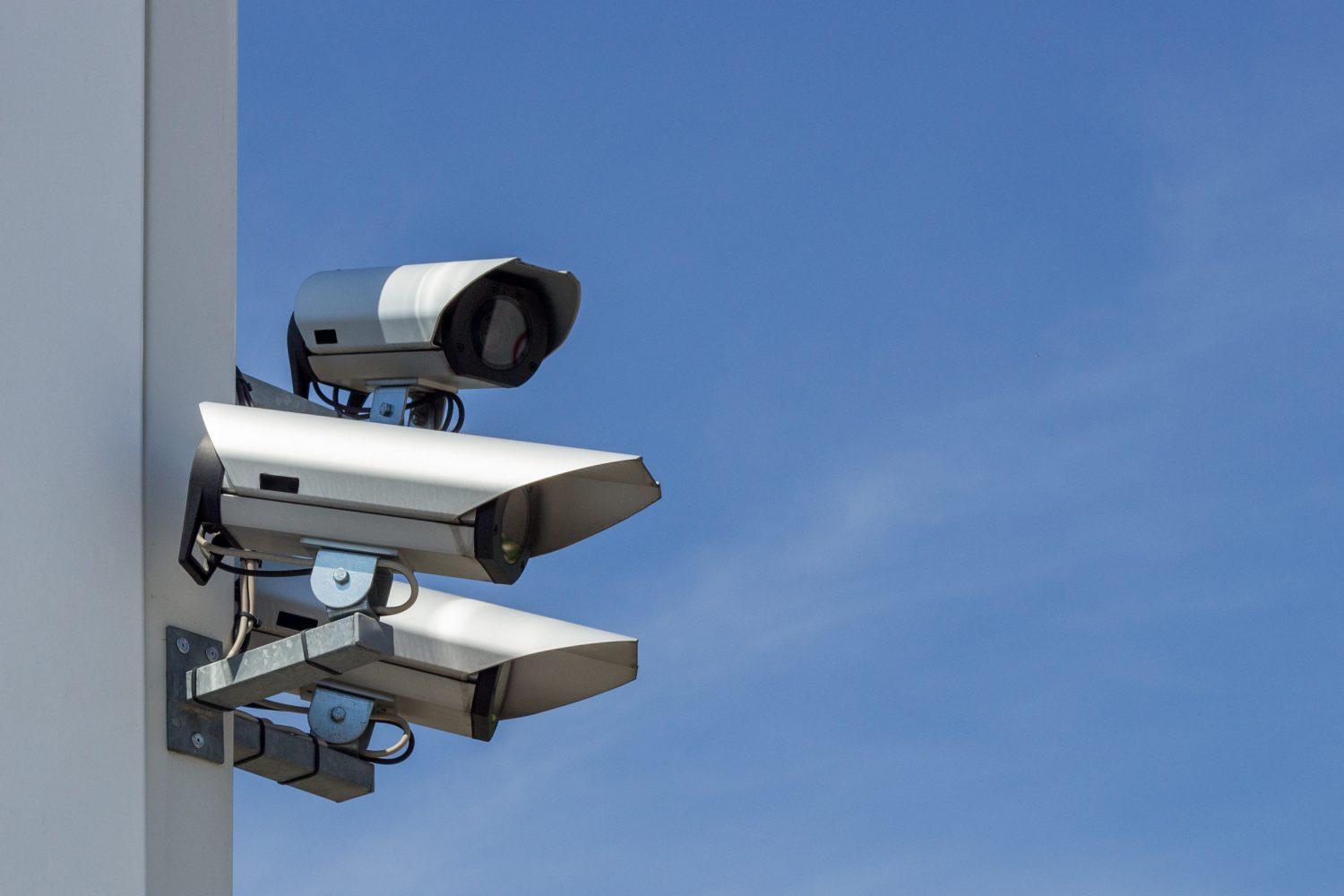
Flock Safety operates hundreds of license plate-reading cameras across Dallas and thousands across North Texas. The mounted cameras have become ubiquitous with local law enforcement across the country since the tech company was launched in 2017, and the company has faced scrutiny for its involvement in some cases, such as last year’s hunt for a North Texas woman accused of having an abortion.
In December, YouTuber Benn Jordan and the technology publication 404 Media published an investigation that found dozens of Flock-operated devices were left open to online monitoring and tampering. Around 60 cameras were affected, and it is unclear where each of those cameras was placed in the U.S. Flock declined to tell the Observer whether any North Texas-based cameras were included in the leak, but said in a statement that the leak was a result of a “limited configuration issue” that affected a “very small number” of video devices.
As Jordan and 404 Media found, livestreams and footage records from the 60 pan-tilt-zoom (PTZ) cameras — which Flock advertises as “eyes on the scene” for law enforcement, monitoring pedestrians and environments — were accessible online. Some of the cameras used AI to track individuals as they walked through the frame. An administrative password was not required for the reporters to watch the footage or access and alter each camera’s control panels, which control video archives and settings.
“We were just seeing everything from playgrounds to parking lots with people, Christmas shopping and unloading their stuff into cars,” Jordan told 404 in an interview. “I think the one that affected me most was the playground. You could see unattended kids, and that’s something I want people to know about so they can understand how dangerous this is.”
In a statement, Flock argued that “the only content visible was live or recorded video comparable to what can be observed from a public roadway.”
Local law enforcement agencies have touted the advantages that programs like Flock can offer in crime-fighting efforts. Dallas Police Chief Daniel Comeaux has expressed his appreciation for how Flock camera footage helped solve a homicide that occurred on his first day on the job, leaving him impressed, according to The Dallas Morning News. Dallas approved a three-year contract with Flock Safety last spring. The Plano, McKinney and Frisco police departments also have contracts for the company’s license plate reading cameras.
The Dallas Police Department confirmed to the Observer that it does not utilize the types of cameras that were affected by the leak and that an Operational Technology Unit does “consistently monitor for possible security concerns” within the department’s technology programs.
While law enforcement agencies do not maintain a public record of the locations of their Flock cameras, local watchdog groups have helped build independent databases that track the devices. As of Jan. 7, it appeared that around 800 had been identified across Dallas, Richardson and Garland, with thousands flagged across the broader North Texas region.
Those weary of enhanced surveillance in law enforcement worry that programs like Flock’s could be exploited by malicious actors, and security leaks, such as the one identified by Jordan and 404 Media, exacerbate that concern.
Last fall, an investigation into the May hunt for a Johnson County woman accused of having an abortion found that detectives tapped into 83,000 North Texas cameras to locate the woman. Authorities listed “had an abortion, search for female,” in the Flock database as the reason for the query. Johnson County Sheriff Adam King — who has since been indicted on unrelated perjury and workplace sexual harassment charges — denied that the search was a criminal investigation, and Flock Safety has denied wrongdoing.
“When you have these opaque, expansive, real-time crime centers gathering information about our lives, aggregating it and feeding it to police outside the court process, it’s something that is open to error, misinterpretation and abuse,” Albert Fox Cahn, founder of the Surveillance Technology Oversight Project in New York, told the Observer in 2024, after the Dallas Police Department announced a camera-mapping program with Fuses, a surveillance company that can integrate with Flock technologies.