
Adobe Stock

Audio By Carbonatix
For those of us with springtime allergies, the end of the tunnel is near. But with runny noses and itchy eyes nearly behind us, another foe takes its place.
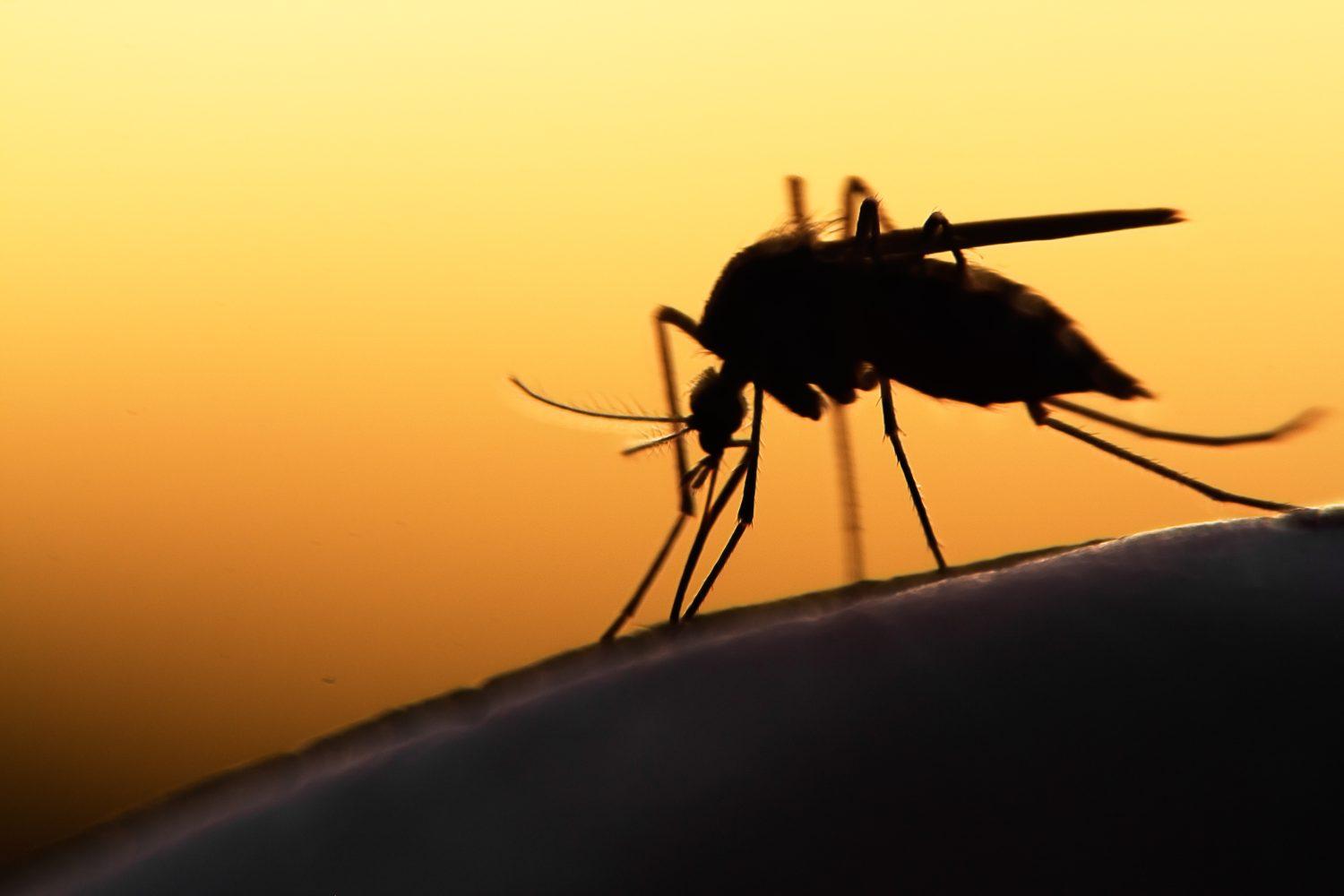
Even Sir David Attenborough himself could not inspire us to look upon the mosquito with a fond eye, but this year, Dallas may be spared the worst of the blood sucking, itchy aggression. It won’t be pleasant, of course, but it may be an improvement from years’ past.
The annual Mosquito Cities List by Orkin, a pest control company that measures the voracity of a city’s mosquitos by the number of treatments that have been commissioned in the year prior, has ruled that Dallas will be the eighth worst city for the insect this summer. Eighth sounds bad, but last year we were seventh, and the Observer likes to look on the bright side of things every now and then.
Our little brother Houston took over the honor of seventh place in this year’s survey, also dropping a spot. Shifting climate conditions are turning mosquitoes into a nationwide problem, the survey found, with midwestern cities like St. Louis, Milwaukee and Minneapolis shooting up the list due to uncharacteristic mosquito outbreaks.
“Over the past decade, we’ve seen mosquito activity expand beyond traditional hotspots,” said Shannon Sked, an Orkin entomologist. Sked blames climate change for creating workable conditions for the yellow fever mosquito to thrive. We will not be looking up what a yellow fever mosquito is, because that seems like the kind of thing we’d rather not know.
As we Texans like to say, our thoughts and prayers are with the Midwest.
Naturally, mosquito-borne illnesses are a major concern during peak infestation season. Last year, Dallas County reported one death due to the West Nile neuroinvasive disease. Seven other county residents tested positive for the neurological virus, which can be contracted when a person is bitten by an infected mosquito. To lower the risk of being bitten by a potentially infected insect, Dallas County Health and Human Services recommends using an insect repellent containing DEET and draining standing water around the home.
After all the rain we just got, it may be a good time to empty out those flower pots you keep swearing you’ll plant something in. While DCHHS monitors for West Nile between April and November, this year’s report has not yet been published.