
Photo by Mike Brooks

Audio By Carbonatix
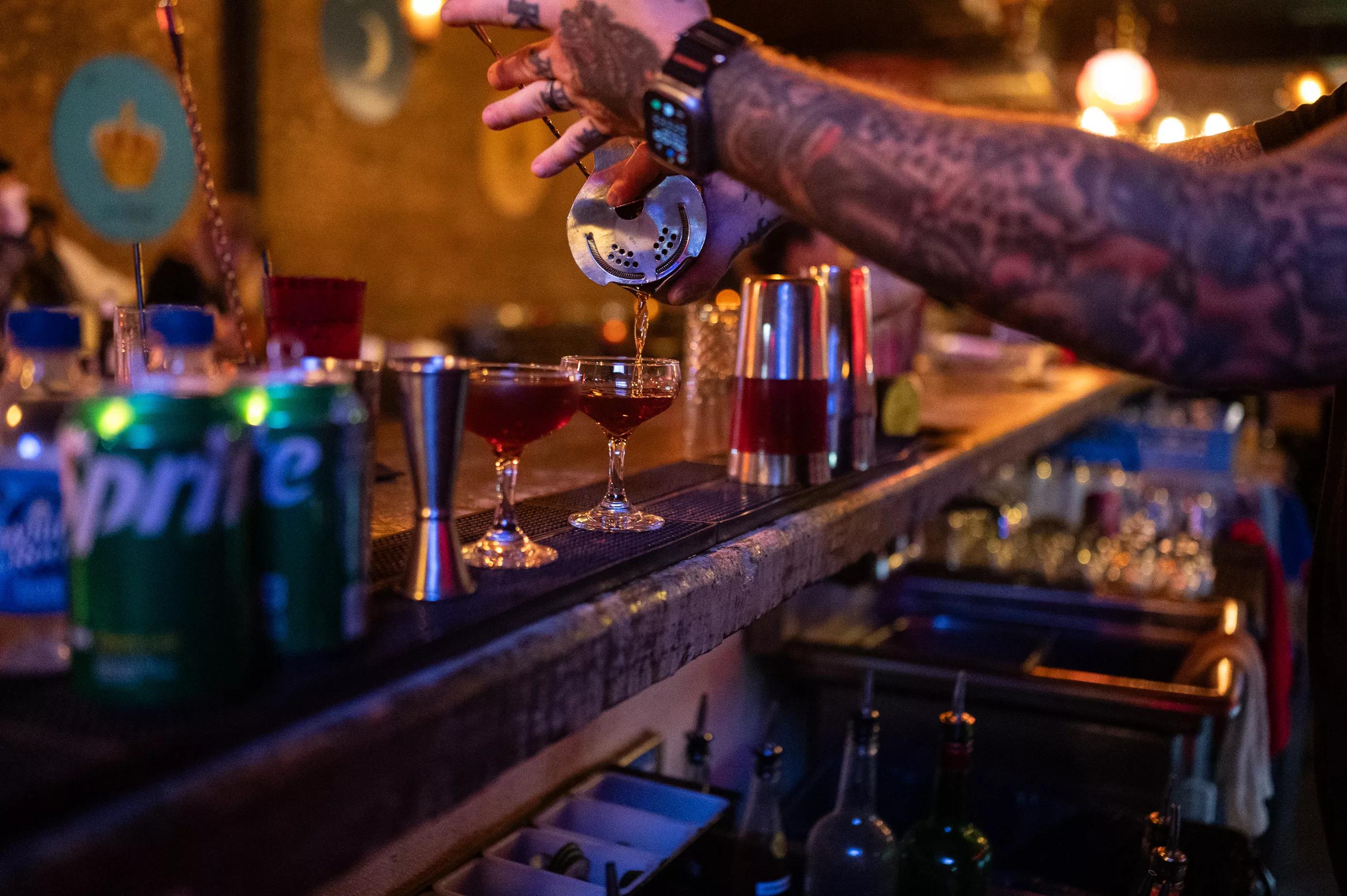
Even Columbian Country Club, the upscale East Dallas cocktail lounge that’s hardly the kind of place associated with soccer hooligans, has invested in new technology to prevent any problems that might crop up during next month’s World Cup.
General manager J.P. Sanchez says the bar’s new digital scanner recognizes IDs from most countries worldwide, allowing management to more accurately verify a customer’s age and ensure they’re not serving anyone who isn’t supposed to be served.
U.S. laws are stricter than most
The U.S. has one of the highest drinking ages in the world (21). The global norm is 18. Some countries, like Germany, allow 16-year-olds to buy beer and wine (but 18 for spirits). In England, 16 and 17-year-olds can drink beer and wine in a pub when with their parents, eating a meal. Here, the law is murky even when parents are around. We’ll bet restaurants and servers are going to take a hard pass on serving anyone under, even if they’re breaking bread with the Pope.
In other words, it just won’t be longer lines, more crowded bars and restaurants, and even higher prices during the World Cup. There will also be more age and ID checks, more servers casting a wary eye at customers who might have had one too many, and more state liquor cops – as well as a sting or two.
Have your ID ready. Even you, Croatia
All of this will be played out against a background of foreign cultures – some of which see drinking as a way of life that Americans can’t even imagine – as well as the past couple of years of flat restaurant sales and the need to use the World Cup to make up for lost time and lost dollars.
“The World Cup will be increased volume even over a single NFL game like the Super Bowl – more widespread, more people in town,” says attorney Kyle Hill of Austin’s Martin, Frost & Hill, one of the state’s top liquor law firms. “So that means bars and restaurants are going to have to work hard to ensure they have adequate staff, adequate security, and adequate training to comply with all of their responsibilities under the law.”
Hence, the need for tools like a high-tech ID scanner, which Sanchez says has already proved its worth by identifying customers from Canada and Mexico. Because Texas, being Texas, state officials say they’ll enforce liquor laws as strictly as they always do, World Cup or no World Cup. So don’t expect to see longer opening hours or relaxed restrictions for drink specials or similar promotions. Just because they’re doing that in other World Cup cities to help tourists unfamiliar with our unique liquor laws doesn’t mean it will happen here.
Over-served and underage
“We’ve been working with local police and impacted retailers during the run-up to the World Cup in both Dallas and Houston,” says Chris Porter, the director of communications for the Texas Alcoholic Beverage Commission, which enforces the state’s liquor laws. “TABC will station additional officers in both cities throughout the World Cup period to assist local departments with any alcohol-related issues that arise; the agency will also be conducting additional patrols and inspections around the event area and across the city during that time.“
Which, says Hill, means not only TABC officers checking bars and restaurants to see if customers are being over-served, but also underage sting operations. That’s where the TABC sends someone too young to legally buy liquor into a bar or restaurant to try and get served – another reason for increased server training and high-tech gizmos.
Which also means that anyone who looks even remotely close to 21 should expect, at the very least, to be questioned about their age; Hill says that’s a key part of server training, since TABC undercover agents aren’t allowed to lie about their age if they’re asked.
For the rest of us? Keep those IDs handy.