
Lauren Drewes Daniels

Audio By Carbonatix
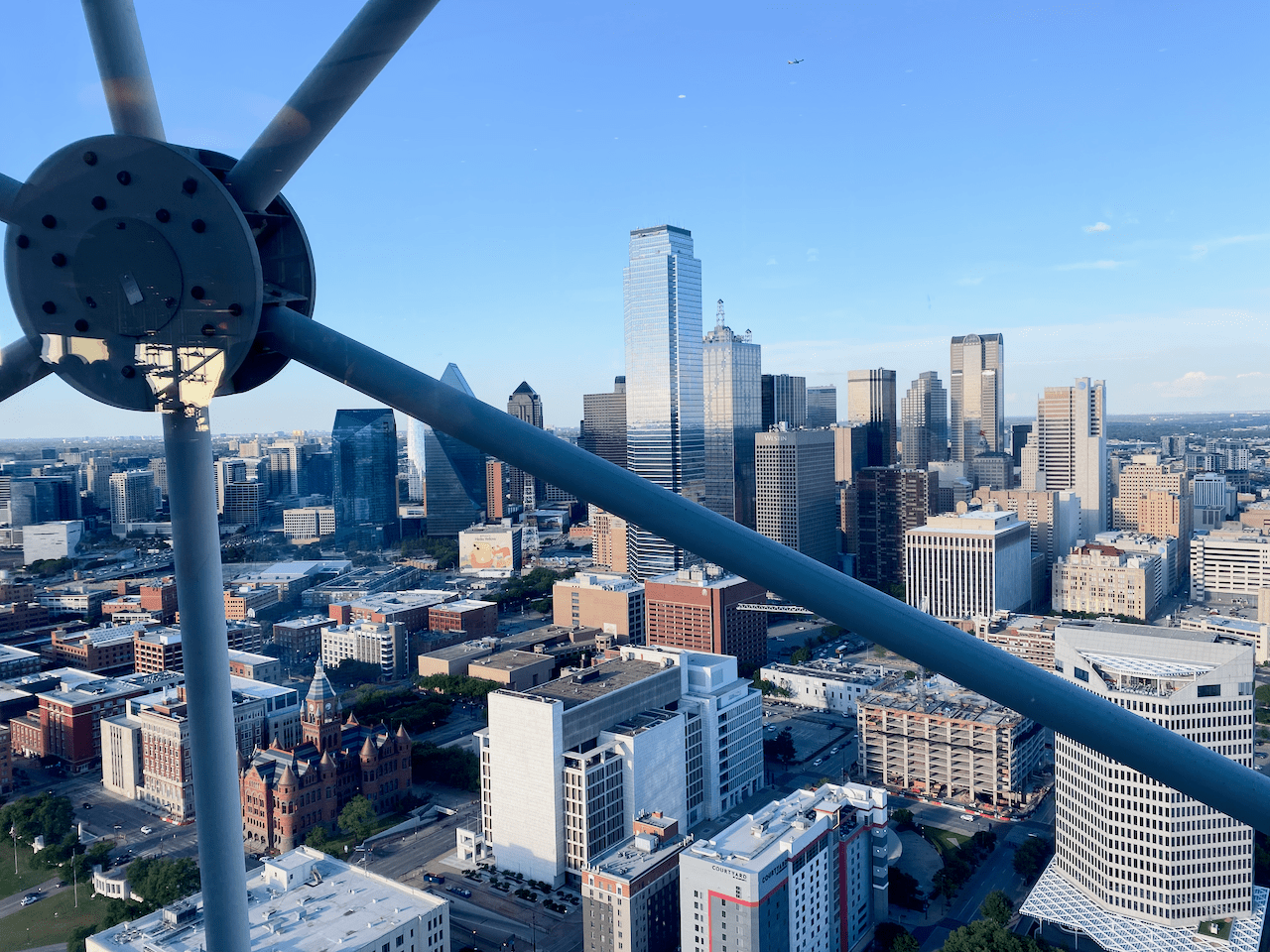
If cities were guests at a dinner party, Dallas would be the one holding court at the head of the table — impeccably dressed, maybe a little loud, but with stories that keep you hanging on every word. This year, our metropolis turns 185 years old. But as we light the candles for the city itself, we realize it’s not the only one celebrating a major trip around the sun in 2026.
This year marks a harmonic convergence of history, where architectural marvels, civic pillars and entire neighboring cities hit their own staggering milestones. From the banks of the Trinity to the shimmering glass prisms piercing the clouds, 2026 is a year to look back at the blueprints, charters and dreams that have solidified North Texas.
We’ve combed through the archives — consulting the Texas State Historical Association and official city records — to bring you a factual, nostalgic and celebratory tour of the anniversaries that define 2026. (History is a vast and sometimes murky river, so while we’ve done our diligence, we welcome our readers to write in with corrections or local lore we might have missed.)
Let’s take a walk-through time, starting at the very beginning.
Dallas (185 Years)
Established: 1841
Before the frozen margaritas and the cattle barons, there was just John Neely Bryan and a bluff overlooking the Trinity River. In 1841, Bryan staked his claim, sketching out a town site that was more ambition than reality. It was a trading post on the edge of the frontier, a dusty promise of commerce.
Fast forward 185 years, and that single cabin has evolved into one of the largest cities in the U.S. Dallas has endured fires, floods and economic rollercoasters to become a global titan. We aren’t just celebrating a founding date; we are celebrating nearly two centuries of sheer, unadulterated grit. Dallas is the city that never asks permission to grow bigger — it just does. The epitome of Texan ethos, we’d argue.
Arlington (150 Years)
Incorporated: 1876
Just down the road, our neighbor is blowing out 150 candles. Incorporated in 1876, Arlington began as a quiet agricultural community, a pivotal stop on the Texas and Pacific Railway. For decades, it was the gap between Dallas and Fort Worth, known more for cotton and mineral water than roller coasters.
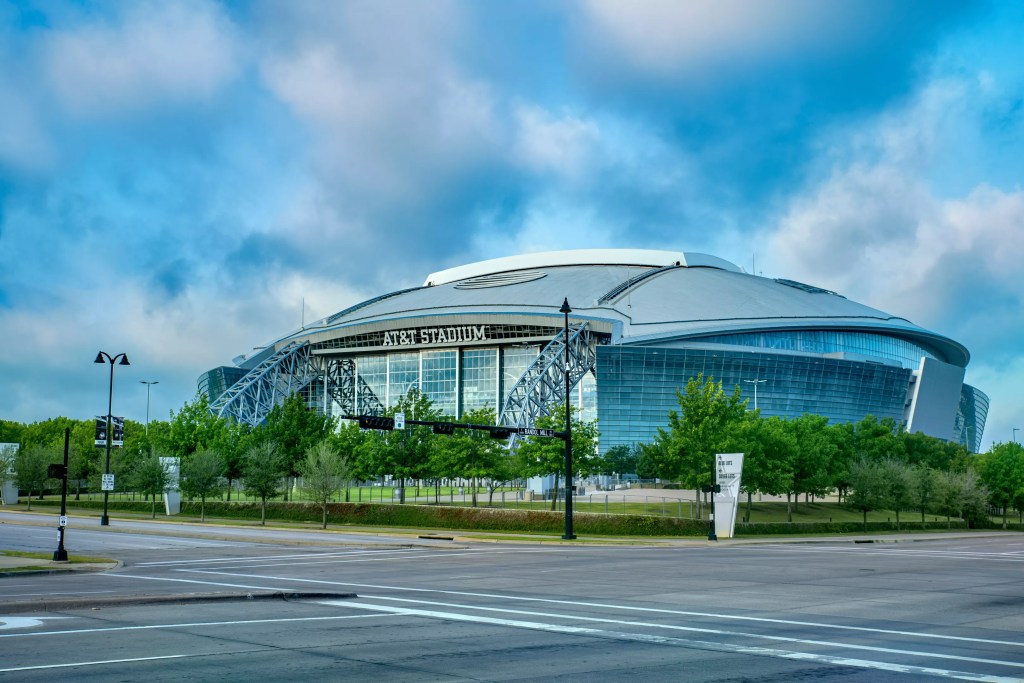
Today, at 150, Arlington is the playground of Texas. It morphed from a railway stop into an entertainment juggernaut, hosting the World Series champions, the Dallas Cowboys, the screams of thrill-seekers at Six Flags and, soon enough, the World Cup.
Trac Vu/Unsplash
State Fair of Texas (140 Years)
Established: 1886
In 1886, a group of Dallas businessmen chartered the Dallas State Fair & Exposition, opening its gates on Oct. 25. This move aimed to promote agriculture and education, setting the stage for what would become the largest state fair in the nation by attendance.
For 140 years (minus a few interruptions for World Wars and a global pandemic), the fair has been the heartbeat of our autumns. It is where we go to worship at the altar of fried food and gaze up at the denim-clad giant, Big Tex. The fairgrounds at Fair Park aren’t just event spaces; they are art deco time capsules that remind us of Texas’ centennial ambition.
Southern Methodist University (115 Years)
Founded: 1911
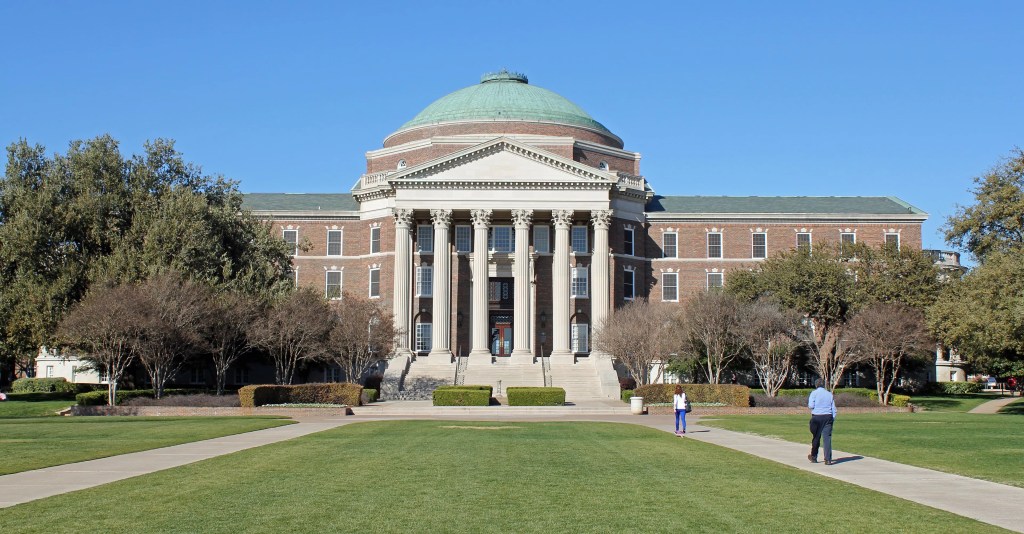
Before the Mustangs ran, a partnership existed between the Methodist Episcopal Church and Dallas civic leaders. In 1911, they filed the charter for what would become Southern Methodist University. Although the first students wouldn’t walk the halls until 1915, the foundation of this academic powerhouse was laid 115 years ago.
SMU didn’t just grow alongside Dallas; it helped shape it. From the Hilltop, leaders in business, law and the arts have descended to influence the city’s trajectory. Its Georgian architecture remains a stately anchor in a city that often favors the new over the old.
Jeffrey Beall
Dallas Union Station (110 Years)
Opened: 1916
If you stand in the Union Station today, you can almost hear the ghostly echoes of steam engines and conductor whistles. Opened in Oct. 1916 as the Dallas Union Terminal, this beaux-arts masterpiece was designed by Chicago architect Jarvis Hunt to solve a chaotic problem: consolidating five scattered rail stations into one grand hub.
Celebrating 110 years, Union Station (now named “EBJ Union Station” after former U.S. Rep. Eddie Bernice Johnson) is a survivor. It outlasted the decline of passenger rail to find new life as a hub for DART, TRE and Amtrak. It stands as a reminder of the golden age of travel, when arriving in Dallas meant stepping into a cornerstone of modernization meeting a slower Southern lifestyle
Knights of Pythias Temple (110 Years)
Completed: 1916
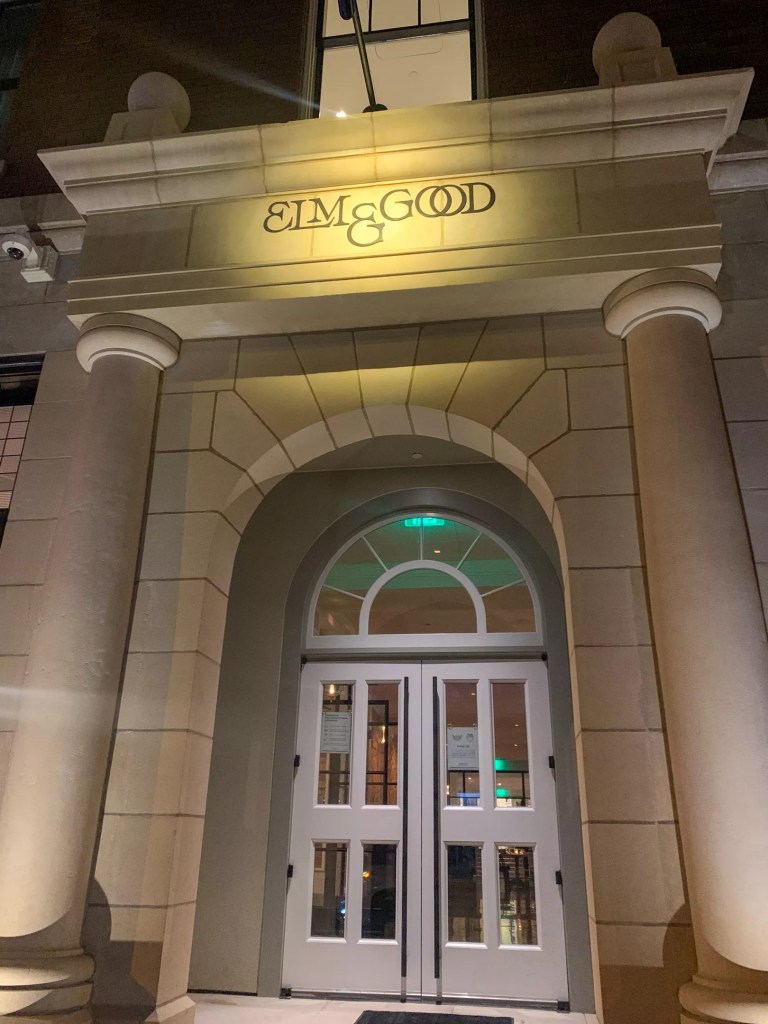
In the heart of Deep Ellum stands a building that carries the soul of the city’s African American history. Designed by William Sidney Pittman, the first practicing Black architect in Dallas, the Knights of Pythias Temple was a cultural fortress when it opened in 1916. It served as a grand lodge, an office building and a social hub for Black professionals who were barred from other venues in the segregated South.
After decades of vacancy, the red brick beauty was meticulously restored and reopened around 2020 as The Pittman Hotel. At 110 years old, it is a triumph of preservation, a space where modern hospitality pays homage to a profound legacy of resilience and community.
Taylor Adams
Dallas Black Chamber of Commerce (100 Years)
Established: 1926
A century ago, in 1926, visionary leaders established the Dallas Black Chamber of Commerce (DBCC). It holds the distinction of being the first Black chamber of commerce in the entire United States.
For 100 years, the DBCC has been the engine room for Black businesses in North Texas. It has navigated the rough waters of segregation and civil rights to emerge as a powerhouse of advocacy and economic development. This centennial isn’t just about longevity; it’s about a century of building social capital and ensuring that the promise of Dallas extends to everyone.
Greater Dallas Planning Council (80 Years)
Established: 1946
As Dallas boomed after World War II, it needed a roadmap. Enter the Greater Dallas Planning Council (GDPC), established in 1946 by business leaders meeting with Mayor Woodall Rodgers. Their goal was to study city problems and propose nonpolitical solutions.
Turning 80 this year, the GDPC is the oldest civic organization in the area focused on regional planning. From water resources to urban design, it has spent eight decades thinking about the future, so the rest of us can live in the now.
Fountain Place (40 Years)
Completed: 1986
It’s hard to believe the “rocket ship” building is entering its forties. Completed in 1986, Fountain Place is perhaps the most distinctive silhouette on Dallas’ skyline. Designed by the firm I.M. Pei & Partners, this glass prism is an architectural sculpture that changes color with the sky.
But the magic isn’t just in the height; it’s in the water. The 1.7-acre plaza at its base, designed by Dan Kiley, is a serene cypress-filled oasis that redefined how skyscrapers interact with the street. Forty years later, it remains the gold standard for blending corporate ambition with public art.
So, here’s to 185 years of Dallas, and to the institutions that provide the texture to our city’s story. We are a city of constant reinvention, but 2026 proves we are also a city of deep, enduring roots.