Tada Images/Adobe Stock

Audio By Carbonatix
Reader support matters more than ever
We're in the final stretch of our summer campaign. Our goal is to raise $12,500 by August 9 to support the journalism our community relies on. Reader support is helping shape the future of local news.
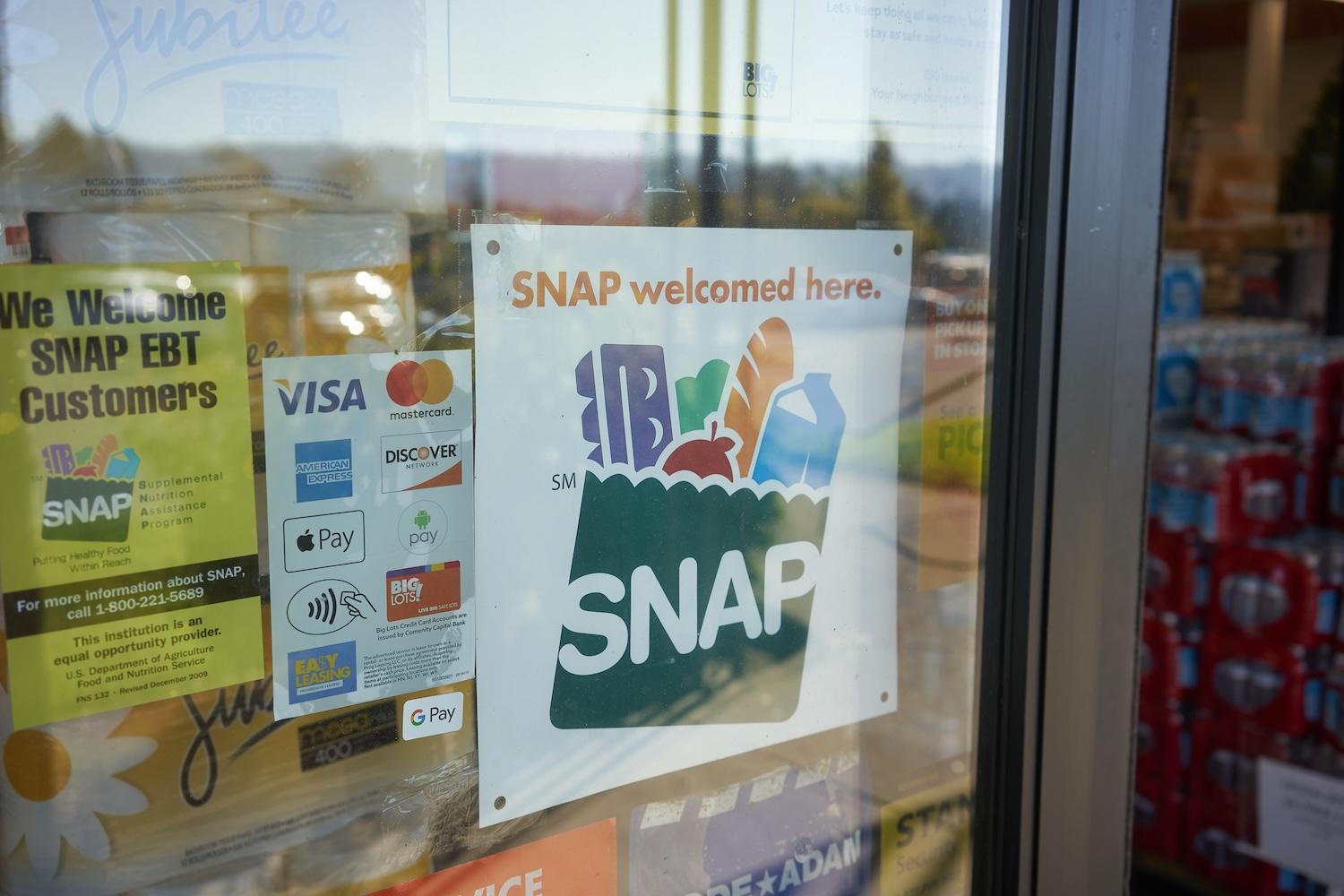
North Texas is facing increased hunger as advocates say cuts to federal programs like SNAP are having an effect.
According to a report released last week, only three U.S. metros have more food insecurity than Dallas-Fort Worth. Roughly 1.4 million individuals were food insecure in North Texas in 2024, with 36% of children in the region facing hunger. Statewide, Texas led the country in food insecurity for the third consecutive year.
The annual Mapping the Meal Gap report is compiled by Feeding America using data from the U.S. Department of Agriculture and the U.S. Census Bureau. Government data cited in the report may be from 2024, but local food banks say the need has only increased since.
Population growth in North Texas is being outpaced by soaring living costs, Trisha Cunningham, CEO of North Texas Food Bank, said. She added that while the population of NTFB’s 13-county service area has increased by 6.5% since 2020, hunger has increased by nearly a third.
“You have people that are working one or two jobs, but they’re not livable wage jobs, and so when you’re seeing the cost of living go up so much, people that were normally able to make ends meet on their salary aren’t able to do that today,” Cunningham said.
According to a February report from the Child Poverty Action Lab, more than half of renters in Dallas are cost-burdened, meaning they spend more than 30% of their monthly income on rent. Renters make up the majority of the city’s population, while homeowners are dealing with higher insurance and purchase rates. Gas Prices are 45% higher than they were in January of this year, according to the U.S Bureau of Labor Statistics, while USDA data shows a 2.7% increase in the cost of groceries.
SNAP cuts
Cuts to federal assistance are also hurting, she said.
SNAP, more commonly known as food stamps in the past, is a USDA program administered by the states that gives low-income families funds on preloaded cards for food items at the grocery store. It can not be used for prepared food, alcohol, or, after recent changes by Texas lawmakers, many sweetened food items.
The program has been cut significantly by Republicans at the federal level. As part of the passage of Donald Trump’s marquee 2025 fiscal bill, SNAP funding will be cut by roughly $187 billion over a decade. It also raises the age for exemption from work requirements from 55 to 64 years old, and stipulates stricter documentation requirements.
“The cost of living has gone up higher than their paychecks, but they can’t access some of these additional benefits now,” Cunningham said.
SNAP participation in Texas has fallen by 17% since the bill was passed in July 2025, according to government data analyzed by the Center for Budget and Policy Priorities, representing the third largest decline by percentage across all 50 states. Overall, it means close to 600,000 Texans are no longer receiving benefits, the largest total in the nation.
According to the Mapping the Meal Gap report, roughly 54% of individuals facing food insecurity in DFW are over the income threshold for SNAP. That’s an increase from 49% in 2023, Cunningham said.
“There are people that need access to those funds that you probably interface with every day,” she said. “People want to know what somebody who’s food insecure looks like, and oftentimes they have a perception of someone who is panhandling… I think the mindset of what food insecurity looks like needs to shift. They need to know that these are people that your children are going to school with. This is the person that checked you out at the grocery store.”
Who’s being affected?
North Texas Food Bank focuses about 94% of its services on indirect assistance by acting as a logistics hub for its 500 partner organizations. The nonprofit collects thousands of pounds of donated product from corporate partners or uses donor funds to purchase food to distribute to local pantries. Half of its inventory used to be stocked with federal assistance, Cunningham said, which has shrunk to 25% due to further federal cuts.
More working adults are facing food insecurity due to SNAP cuts, Cunningham said, but she added they might have a better chance of weathering it than other groups of concern. Specifically, children are facing greater rates of food insecurity in North Texas.
According to the latest report, 506,050 children (1 in 4) were food insecure in North Texas in 2024, an increase of 64,190 from 2023.
“We always say that summer is the hungriest time of the year because families are having to provide 10 extra meals per student [a week] when they’re not in school,” Cunningham said. “At least when they’re in school, they get breakfast and lunch.”
Older individuals, some of whom may have since lost eligibility under the new work requirements, also faced increasing food insecurity in 2024. Of older adults aged 50-59 in DFW, 140,000 faced hunger in 2024, up from 119,500 in 2023, according to the report.
The food bank has summertime programs to bridge the gap to the school year for families with children, Cunningham said, and the organization can help older residents through direct assistance or connection to resources.
Help needed
Food banks are a good resource, but also should not be responsible for single-handedly fighting food insecurity, Cunningham said.
“Food banks were never intended to be the first line of defense for food insecurity,” she said. “That’s why we saw such concern and crisis around the government shutdown, which was one of the headwinds that we had this year, because there are so many in our community that are out of the food bank lines.”
Further changes to SNAP will take effect on Oct. 1. Under the cuts passed last year, the government will begin passing off portions of SNAP administration costs to the states. Specifically, the federal government will charge states based on SNAP error rates. Error rates represent cases where agencies over- or underpay benefits, and the issue is corrected. The rates do not represent fraud, the report cautions.
Still, Texas has an error rate of 9.34%. That could mean state lawmakers may need to fund between $1.7 billion and $2.1 billion in SNAP benefits annually, something advocates worry conservative lawmakers may be unenthusiastic about fully doing.
Cunningham said shifting costs to the states should be delayed by two years to give states more time to assess implementation. She also said lawmakers should look at reviving COVID-era programs or increasing funding for USDA initiatives like The Emergency Food Assistance Program’s Farm to Food Bank Program to fight the rise in hunger in North Texas.
“It’s really important for people to let their elected officials know that we need additional support from these government programs to be able to support the first line of defense for food insecurity, because food banks in our communities can’t do this alone,” she said. “It really is cooperative. We want to do our part, but we also need to make sure that the government is there as well.”