
Jacob Vaughn

Audio By Carbonatix
Update, 4/22/2026, 8:20 a.m.: Judge Maya Guerra Gamble has temporarily lifted a statewide ban on the sale of smokeable hemp products until at least April 28. The temporary restraining order against new THC testing requirements that would’ve prevented retailers from selling smokeable products is the latest development in a story that has taken many odd turns on both the state and national level over the past 18 months.
The Texas intoxicating hemp industry enjoyed a short-lived victory after Texas Gov. Greg Abbott vetoed a bill that called for a near-total ban on THC products in June. Any relief that was felt was eliminated at the end of the year when the federal government included a national ban on intoxicating hemp products in the spending bill that re-opened the federal government following a historically long government shutdown.
According to the Texas Tribune, a hearing on the lifted ban, originally scheduled for April 23, has been postponed until at least April 28, with the potential to continue until April 30, according to the lawyers’ agreement.
Original article from April 14 below:
Long-term questions remain for industry advocates after a judge temporarily blocked Texas’ ban on smokable THC hemp products.
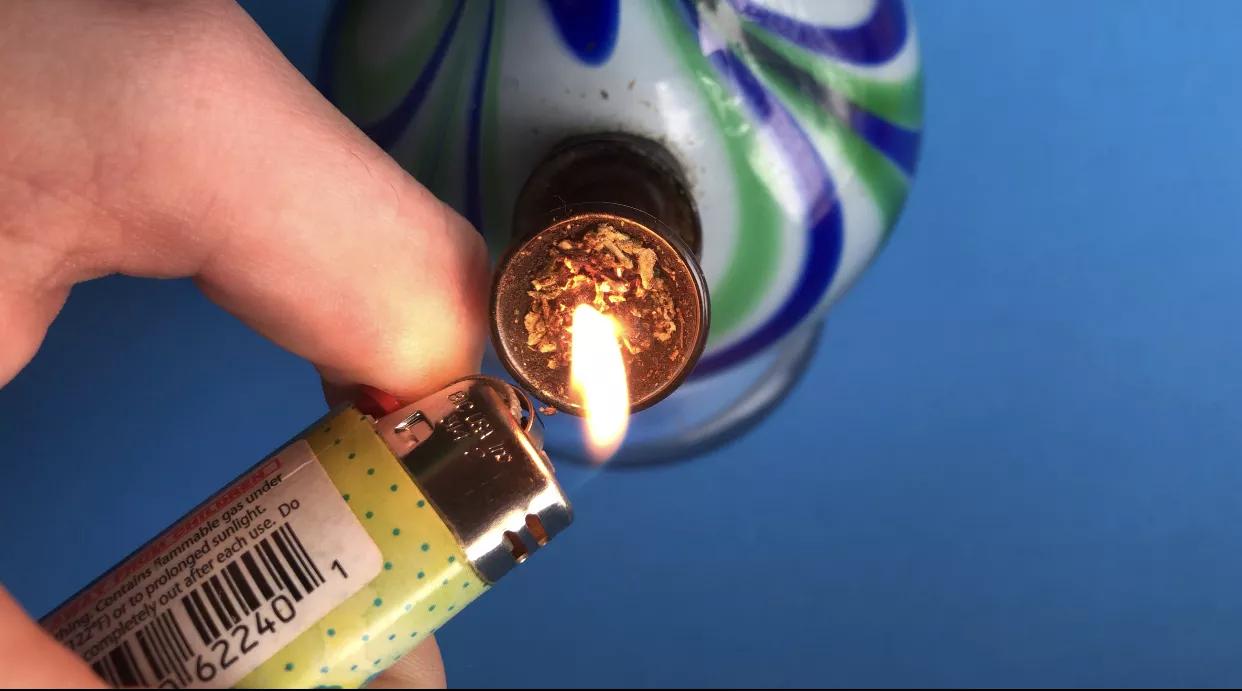
Last week, Travis County District Judge Maya Guerra Gamble granted a temporary restraining order suspending the state health department’s new regulations on hemp-derived THC products. The restrictions translate to a total prohibition on smokable hemp products and have been likened to an “attempt to ban the industry” in light of dramatically increased licensing fees, which took effect March 31.
Gamble’s ruling temporarily prevents enforcement of the new regulations imposed by the Department of State Health Services and allows interstate product sales, but does not immediately waive the fees many in the $5.5 billion state industry have accused of being cost-prohibitive. The judge will rule on the issue of fees at an April 23 hearing, according to prior reporting by The Texas Tribune.
The suit was brought against the DSHS by the Texas Hemp Business Council, Hemp Industry and Farmers of America, and several other industry stakeholders, who said the department has sidestepped state lawmakers by overreaching its regulatory authority through the restrictions.
Mark Bordas, executive director of the Texas Hemp Business Council, said the ruling is a relief to business owners facing uncertainty as the state moves to restrict the industry.
“As far as the industry was concerned, we had some despair and discouragement, and that’s been replaced by optimism and encouragement as we move forward,” Bordas said. “We won on two of the three issues, and we’ll have another opportunity to make our argument on the fees.”
The regulations increase annual, per-facility fees for manufacturers from $258 to $10,000 and retailers from $155 to $5,000.
Smokable products are heavily restricted under the new rules as the agency amended its calculation of total THC content to include cannabinoids that convert to delta-9 THC, the primary intoxicant found in hemp and cannabis products, when heated.
A similar lawsuit challenging a 2021 ban on products containing delta-8, a less potent intoxicating cannabinoid, has been mired in years of appeals and is currently set to go to the Texas Supreme Court later this month. The 2021 suit also alleges DSHS overreach, and a ruling will likely set a precedent that affects the eventual outcome of the latest filing.
“Whether you’re in the hemp industry or not, this has broader implications for businesses in Texas that this is allowed to stand because you’ve got a state agency legislating and not regulating,” Bordas said.
Even with the ruling, the industry’s future could be threatened by further potential regulation by state lawmakers.
The announcement of DSHS regulations followed Gov. Greg Abbott’s veto of Senate Bill 3 in June. At the time, Abbott called for a special session and further regulation rather than an outright ban. Industry advocates like Bordas have accused Lt. Gov. Dan Patrick of using DSHS regulations to effectively ban the industry with restrictive fees and bans on smokable hemp.
“Rhetorically, do you think he’s going to stop? It’s his priority legislation,” Bordas said. “And I think you can see somebody put their fingers on the scale over at this administrative agency.”
In September, Patrick posted on X that “My position remains unchanged; the Senate and I are for a total THC ban.” State lawmakers are set to convene for the 90th Texas Legislative Session in January.
Heather Fazio, director of the Texas Policy Research Center, said she is glad to see the industry “taking the government to task on this” and remains concerned about attempts to prohibit THC products in Texas.
“We are faced with the backdrop of federal policy that could be changing significantly in November if the federal government moves forward with implementing this significant change to the hemp industry,” Fazio said. “What’s legal and what isn’t? Texas is going to be facing a big challenge and a big question: Do we institute policy for ourselves that defies federal law, similar to how we defy federal law with the Compassionate Use Program, or will Texas fall in line with the federal standard and go back to prohibition?”
State lawmakers have said DSHS regulations were modeled after language included in legislation that ended the U.S. government shutdown, which effectively bans most hemp THC products at the federal level. The federal ban stipulates even greater restrictions than the DSHS-imposed rules, which still allow the sale of edible and drink products without caps on overall potency.
The impending federal ban, barring a likely legislative challenge, is set to take effect in October. It amends the 2018 Farm Bill that loosened restrictions on agricultural hemp, but also opened the door to hemp-derived THC products through a loophole.
Texas’ fight over hemp regulation and THC products began in 2019 when state lawmakers passed legislation created to comply with the 2018 Farm Bill, which also created a loophole for intoxicating hemp product sales in the state.
Katharine Neill Harris, a fellow with Rice University’s Drug Policy Institute, said while federal legislation will disrupt banking and interstate commerce for the industry, it is likely to directly impact businesses without action by state lawmakers.
“It wouldn’t necessarily mean that the only products legal in this state, or any state, are the ones that the federal government says are legal,” Harris said. “Because it can just be like we have with marijuana, where states have their own marijuana programs that exist within those states, and it could play out very similarly unless states adopt the same federal regulations.”
She added that while a total ban mirroring federal restrictions is unlikely to be adopted by state lawmakers in the next legislative session, it could lead to some form of tightened regulation regardless of the outcome of the smokable hemp case.
“The only reason it might not last as long as the delta-8 issue is that the legislature meets in January,” Harris said. “Especially if the federal rule change goes into place, there may be more support for some sort of restriction. I don’t know that we’ll get the kind of ban bill through that the lieutenant governor wanted last session. But I think that there will be more traction for some kind of restrictions, and possibly we’ll see those enacted, in which case this issue might be moot at that point.”