
Taylor Adams

Audio By Carbonatix
As cases of omicron continue to climb, more restaurants are temporarily shuttering. We first reported restaurant closures in New York City, Houston and Philadelphia on Dec. 22. The wave hit locally a day later when Thunderbird Station had to close just before Christmas because of sick staff. Amor y Queso closed soon thereafter.
According to The New York Times, cases of COVID in Dallas County have jumped 534% in the past 14 days. Hospitalizations are up 52% over the same period.
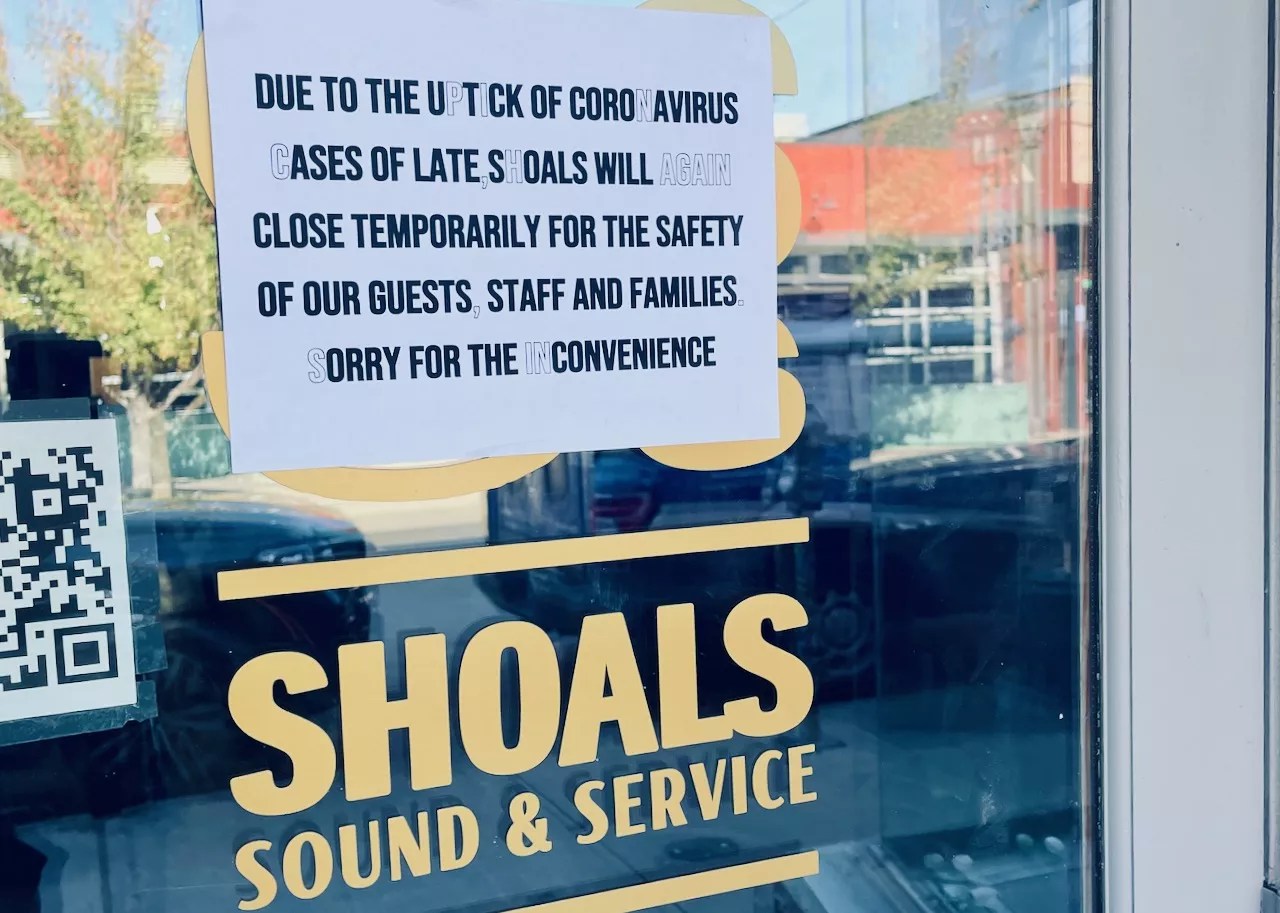
Last week, Shoals in Deep Ellum closed for a night “out of an abundance of caution” because of a sick employee. On Jan. 3, Tei An posted to its Facebook page that it was closing after a staff member tested positive for COVID-19. Detour Doughnuts is trying to re-open this Friday after closing several days ago and is pleading for customers to wear masks inside the store.
Oak Lawn bar Alexandre’s closed for the rest of January after employees submitted a proposal that called for an immediate shutdown of the bar “for a period of no less than 30 days to avoid the continued massive incoming wave of transmissions here.”
And AllGood Café, the restaurant and live music venue in Deep Ellum, posted this week they too are closing for the safety of their customers and staff after positive tests. Owner Mike Snider says they’ll stay closed as long as they need to, though he hopes only about five days. He’s doing what he can to keep his staff paid, he says.
The term “soft-lockdown” has been applied to this form of self-regulation: businesses shut down because so many employees are sick. Rodney E. Rohde is a professor and chair of the clinical laboratory science program at Texas State University. When we asked if these rolling voluntary closures will help stem the tide of COVID cases, Rohde said anything helps.
“From a pure public health and infectious disease perspective, any mitigation measure to cut down transmission helps,” Rohde says. “How much it helps is hard to measure when, at this point, it’s like putting a plug in one hole of dozens of holes in the dam.”
In terms of financial support for these struggling restaurants, the Restaurant Revitalization Fund, approved by Congress, ran out of funds in July, having fulfilled fewer than 35% of the grant requests it received in Texas.
Kelsey Erickson Streufert is the vice president of government relations and advocacy for the Texas Restaurant Association.
“Previous relief efforts at the federal level were great, but they were short-term lifelines. And this pandemic has shown us it’s going to take a while to rebuild,” Streufert says.
She says there are bipartisan “conversations” at the federal level about funds similar to the relief fund that are targeted at smaller businesses.
Texas has allocated $180 million of assistance for the hospitality and tourism industry in the state, although they haven’t figured out how to allocate it yet.
“Will it be enough? Absolutely not. But it’s something,” Streufert says.