Jordan Smith

Audio By Carbonatix
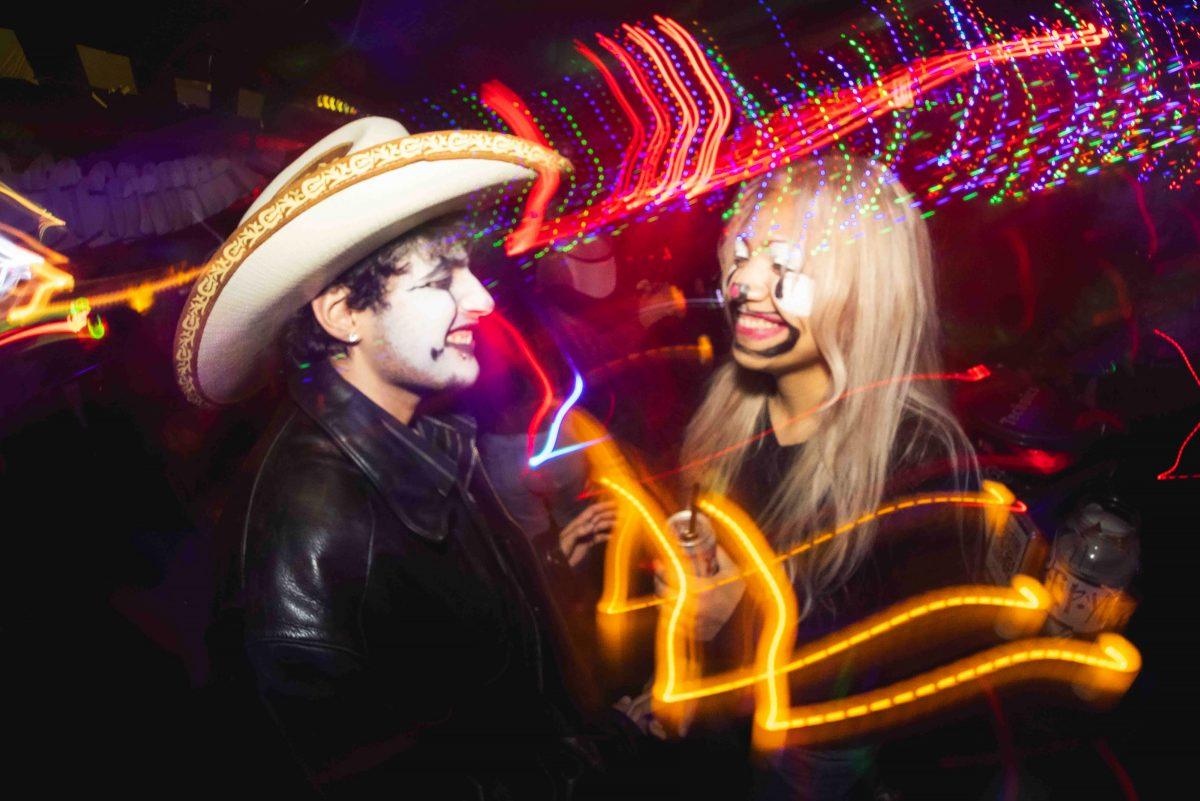
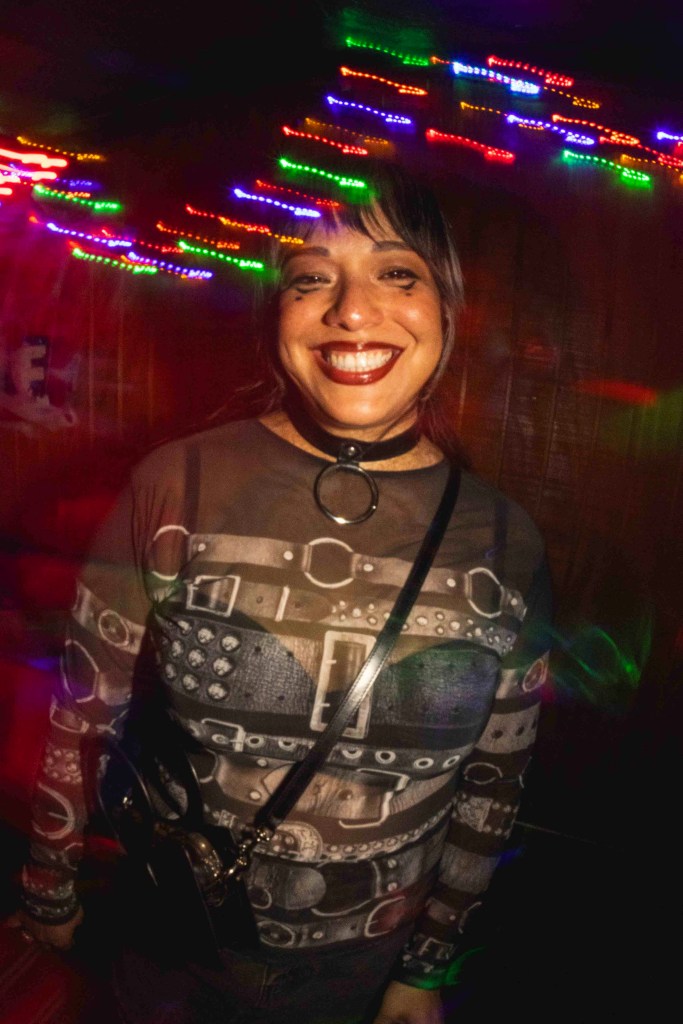
On a packed night at Charlie’s Star Lounge, the room warms up slowly as cumbia rhythms roll through the speakers, steady and hypnotic, pulling people onto the dance floor almost without thinking. Hips sway, shoulders loosen, laughter cuts through the air. For a moment, it feels like a familiar Latin party — communal and joyful.
Then the shift happens. The percussion fades into icy synths, basslines deepen and the mood darkens as goth, post-punk and new-wave textures creep in. The lights feel lower, the movement sharper, more intentional. Strangers dance side by side, fully locked in, as the night slides effortlessly from celebration into something more defiant. This is Soy Darks, and in Dallas nightlife, there is nothing else quite like it.
Founded and curated by DJ and community organizer Ari Villa, Soy Darks has quietly become one of the city’s most distinctive Latin-forward dance parties, a space where goth, new wave, EBM and cumbia coexist without apology. What started as an experiment has grown into an award-winning monthly party that reflects a broader hunger in Dallas for community-driven nightlife rooted in culture, resistance and joy.
“Soy Darks is the party,” Villa says. “I run it, I put it together, it’s my baby.”
Going Dark
Villa didn’t set out to create a genre-defying event. Long before Soy Darks, she was immersed in underground music scenes, including punk, electroclash, goth and more, collecting records as a teenager and later DJing ’80s and new-wave sets at art and fashion events. In 2014, she began spinning publicly while working as a contributing fashion stylist for The Dallas Morning News’ glossy magazine, leaning into left-of-center selections that didn’t always fit traditional club expectations.
“I was just playing weird stuff,” Villa says, laughing.
Jordan Smith
As her reputation grew, so did the invitations. She played at the Boiled Owl Tavern in Fort Worth and did various guest sets for La Bruja Presents, where her darkwave and EBM selections stood out. After one of those sets, Charlie’s co-owner Corey Howe approached her with an offer: if she wanted to build something of her own, the door was open.
At the time, Villa didn’t even own turntables. It took nearly a year before she was fully equipped, but by then, she had a bigger question on her mind.
“I didn’t want to compete with something that already existed,” she says. “I had to figure out how to make a niche.”
Dallas already had a goth scene, a strong one. The answer arrived from multiple directions at once.
Villa had spent years working as a community organizer in Fort Worth, focusing on empowerment rather than reactionary politics. By the time she stepped away from that work, she still felt the pull to bring people together, especially as political and cultural tensions intensified nationwide.
“It felt like literally the week before every party, something horrible would happen,” Villa says. “And I’d think, ‘God, we need this.’”
Around the same time, she began paying closer attention to the resurgence of cumbia, not just as a genre, but as a movement. On the West Coast and beyond, cumbia was being reclaimed as something raw, communal and deeply political.
“They say cumbia is the new punk,” Villa says. “It’s resistance music.”
She remembers watching videos of hundreds of people dancing together on a bridge on a Sunday afternoon, no cover charge, no hierarchy. “That’s what we need,” she thought.
Soy Darks was born from that realization: a space where her goth roots and cumbia’s communal spirit could meet without dilution.
The first Soy Darks events in late 2024 and early 2025 were modest. The party was initially co-hosted by Malcriadas Collective and ran every fifth Wednesday at Charlie’s, a slot that doesn’t come around often. But the Halloween edition before last changed everything.
“It went off,” Villa says simply.
Building Community with Cumbia
From there, Soy Darks expanded organically, popping up at Spinster Records and eventually traveling to the Rio Grande Valley in collaboration with Chulita Vinyl Club, a women-led, LGBTQ+ and POC DJ collective rooted in creating safe, community-driven spaces and using vinyl as a form of cultural preservation and resistance. The party found its footing at Charlie’s, where it now runs every first Saturday of the month, a prime slot that reflects its growing draw.
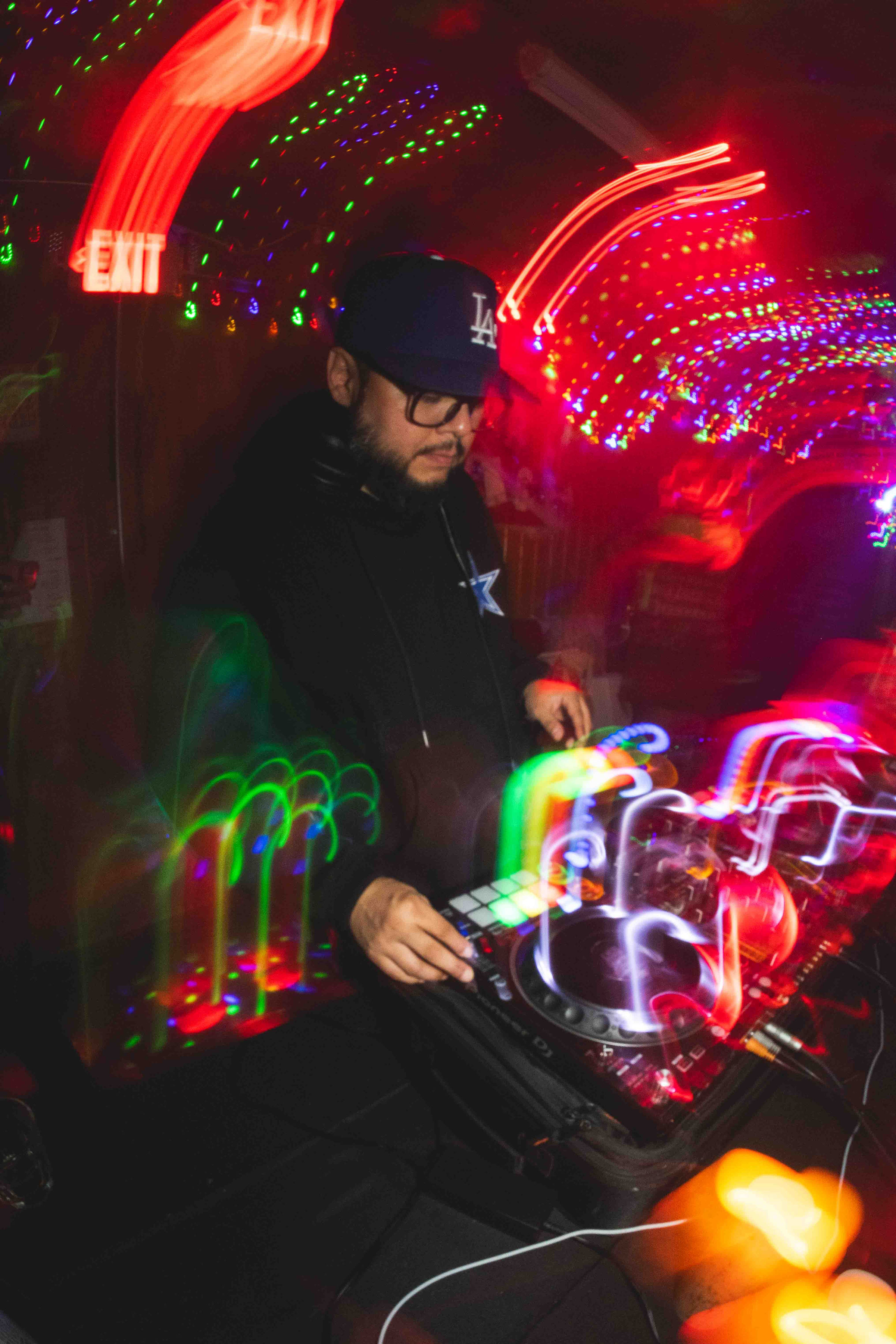
Villa doesn’t frame herself as the star of the night. Instead, she sees her role as a curator and connector. She anchors the party with goth, EBM, ’80s and new-wave selections, while inviting guest DJs to bring their own interpretations of cumbia and Latin dance music.
“I don’t spin cumbia all night,” she says. “I curate the space.”
That openness has made Soy Darks a magnet for DJs across identities and genres. New Year’s Eve featured a trans Chicana DJ. Pride Month went genre-fluid. Some nights skew darker; others lean celebratory, filled with Bad Bunny edits and party anthems.
“I tell everyone, ‘do your thing,’” Villa says. “That’s your experience. The common denominator is cumbia, discovering it together.”
For regular attendee Roman, Soy Darks’ evolution has been unmistakable.
“I go any time there’s a Soy Darks event, which is usually about once a month,” he says. “There’s a really good blend of culture there. I love to dance, and the music is always good.”
Roman discovered Dallas’ cumbia scene within the last year, but he’s watched Soy Darks transform in real time.
“I’ve been to shows where I was one of only four or five people dancing,” he says. “Watching it grow has been amazing.”
That growth, he believes, comes down to Villa’s approach.
“A lot of it has to do with Ari and the way she cultivates her community,” Roman says. “She’s authentic when she speaks, and she’s always uplifting the Latin community.”
Jordan Smith
Villa is quick to deflect credit. Soy Darks, she insists, has always been a collective effort. Early events partnered with De Colores Collective and ICE Out of Tarrant, blending nightlife with community outreach. Vinyl collectors and DJs from across Texas, including Cumbia 319, Flash 45s, JoannaChills and Sue Problema, have helped shape the party’s sound and reach.
Chulita Vinyl Club, in particular, has been instrumental, hosting Soy Darks for Día de los Muertos and amplifying its visibility through a massive online following.
Villa also credits her DJ mentor, Mike Cuevas, also known as Mutemor, for helping her navigate the technical and professional side of the craft.
“He set the tone from the beginning,” she says. “He’s had my back the whole time.”
That spirit extends beyond Soy Darks. Villa runs a monthly femme vinyl takeover at Common Good, a listening room and coffee shop in East Dallas, and frequently collaborates with female DJs and collectors across the city.
“The Dallas scene is supportive,” she says. “People share gear, share knowledge. You just have to take it seriously.”
That seriousness paid off when Soy Darks recently won Best Latin Night at the Dallas Entertainment Awards, a notable achievement in one of the country’s most Latin-influenced cities. Villa sees it less as validation of her own work and more as recognition of the space Charlie’s provides.
“It’s a layup when you have a dance floor like that,” she says. “People come ready to move.”
Looking ahead, Soy Darks shows no signs of slowing down. March featured another ’80s night. April welcomes Cumbia 319. In May, Soy Darks will host Medio Mutante, who is based in NYC, along with San Antonio’s Sue Problema behind the decks.
But for Villa, the future isn’t about scaling endlessly; it’s about staying grounded. “If you focus on the good stuff, it all works out,” she says.
On the dance floor, as cumbia rhythms collide with cold wave synths, it already has.
Soy Darks returns to Charlie’s Star Lounge next on April 4. The event is free and 21+.