
Photo by Lauren Drewes Daniels

Audio By Carbonatix
Advertising Can't Do It Alone
The challenges facing local news organizations are very real. That's why reader support matters more than ever. If you believe independent journalism matters, make a contribution today and help us reach our summer fundraising goal of $12,500 by August 9.
Business hasn’t been terrible this year at Avila’s, says Patricia Avila Guajardo, whose family owns the 40-year-old Tex-Mex institution in Oak Lawn. But that doesn’t mean, given all of the ups and downs for the restaurant business these days, that a World Cup boost wouldn’t be helpful.
“The World Cup is a big deal for us,” says Guajardo. “Every other time there’s a big event in Dallas, we see a surge in business. So we have expectations – that we’ll see the benefits of the World Cup, since it’s the biggest thing I can recall coming to Dallas.”
The catch? No one is quite sure if soccer’s World Cup, with its nine games at Dallas Stadium through July 14, will bring much added business. A year ago, the optimists were talking about six weeks of Super Bowl-like sales, with packed dining rooms and cash registers jingling all night. One prediction, as late as this spring, trumpeted “significant economic impact,” with visitors spending more than $5,000 per person, almost twice as much as the typical international tourist; one in three saying they might stay longer than two weeks; and some 80% hoping to visit destinations beyond major cities.
Today, though, talk to restaurant owners and consultants, and the refrain is the same: We’re keeping our fingers crossed and hoping for the best.
“The numbers just don’t seem to be there,” says John Franke of Franke Culinary Consulting in Dallas. One hotel client that scheduled its opening to take advantage of the World Cup told Franke that business hasn’t been special at all. “When I talk to my clients and ask about business, it’s mostly a shrug of the shoulders.”
And it’s not just in Dallas. At the beginning of May, the American Hotel & Lodging Association reported that 80 percent of respondents said hotel bookings were tracking below initial forecasts.
So how did this happen, given all of those early forecasts that used terms like “billions of dollars” in World Cup-generated revenue?
A confluence of negative factors
Call it price gouging meets the Trump administration’s foreign policy, combined with the slowdown in the U.S. economy,
“Business has been very erratic anyway,” says Guajardo, who told of eating lunch recently with a friend at a popular Dallas restaurant and literally being the only ones there. “It’s just very unpredictable right now, and it was that way even before gas prices went up.”
World Cup prices, whether for tickets or mass transit and parking, have generated resentment around the world, and that’s before anyone spends a dime on a plane ticket, hotel room or meals. One English fans’ group called ticket prices “extortionate,” noting they were as much as seven times higher than the 2022 World Cup in Qatar. And how about a $150 train ticket to get to games in New York and New Jersey?
Meanwhile, the Trump Administration’s decision to tighten entry requirements has prevented thousands of fans from around the world, including those from Scotland, from attending the tournament. And this doesn’t include what some studies have seen as a backlash to the administration’s foreign policy. In 2025, the number of foreign tourists fell 6.3%.
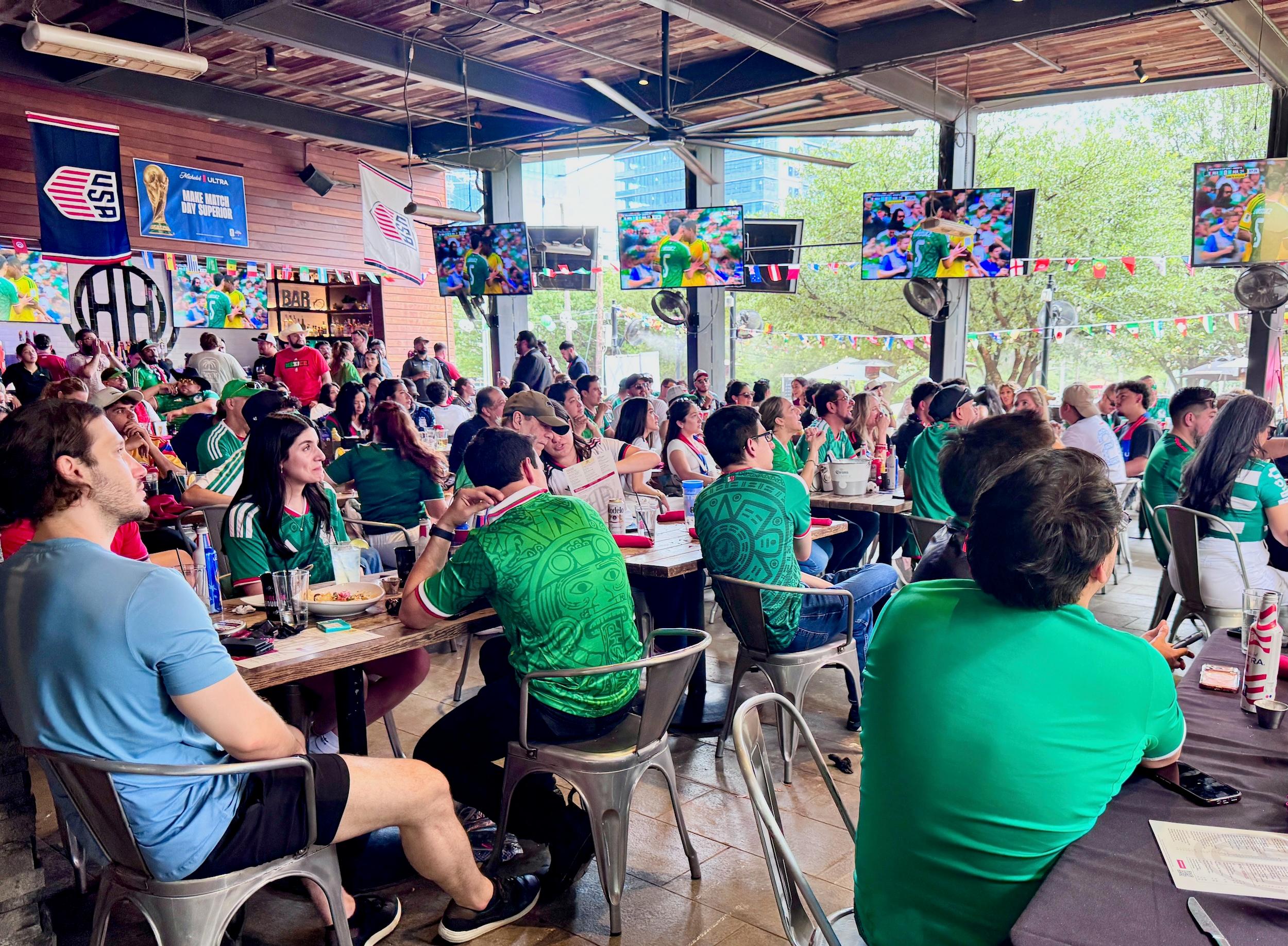
Finally, no one is quite sure how U.S. consumers, who have been dialing back restaurant spending this year, will treat the World Cup. Will they go to bars and restaurants for watch parties, or be content to order takeout or buy supermarket chips and dips and watch the games from home? That is, if they watch the games at all, given that soccer is still not one of the big three U.S. sports.
“Hopefully, the World Cup will offer some relief,” says Franke. “In the end, we’ll just have to wait six or eight weeks and for everything to settle and to see what happens.”
These days, every little bit helps for almost every restaurant.