
Mike Brooks

Audio By Carbonatix
Reader support matters more than ever
We're in the final stretch of our summer campaign. Our goal is to raise $12,500 by August 9 to support the journalism our community relies on. Reader support is helping shape the future of local news.
Long-time soccer fans watching Sunday’s Netherlands vs. Japan World Cup match from AT&T, err, Dallas Stadium — whether in person or on TV — would be forgiven for feeling a strong sense of deja vu.
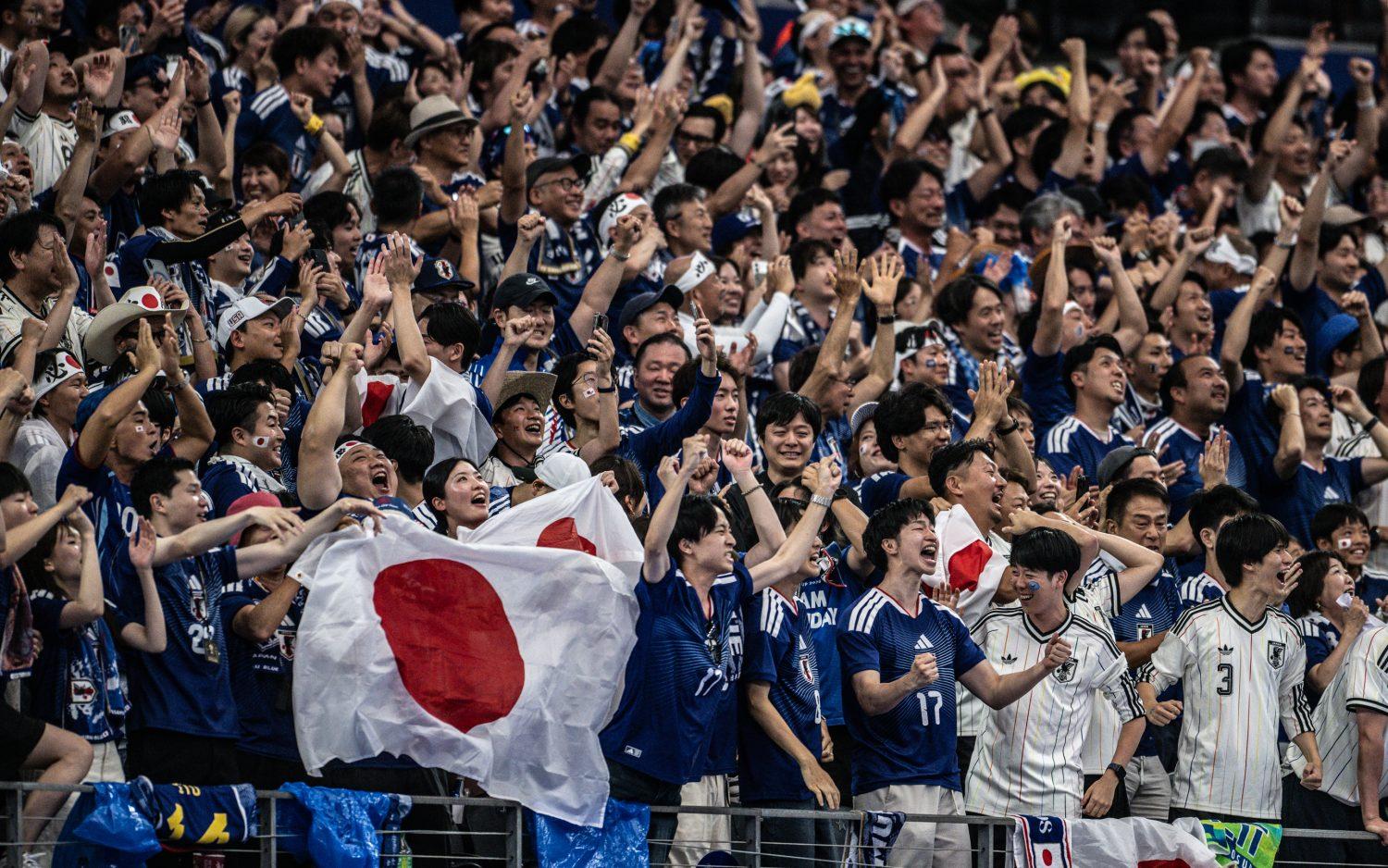
After but a few minutes of the near constant, joyful singing of “Vamos Nippon,” complete with rhythmically pounded drums, the singing, joy notwithstanding, began to carry the overwhelming drone of the infamous vuvuzelas that took over the 2010 World Cup in South Africa with their buzzing, similar to the largest swarm of bees you could possibly imagine, if every bee in the swarm had its own bullhorn.
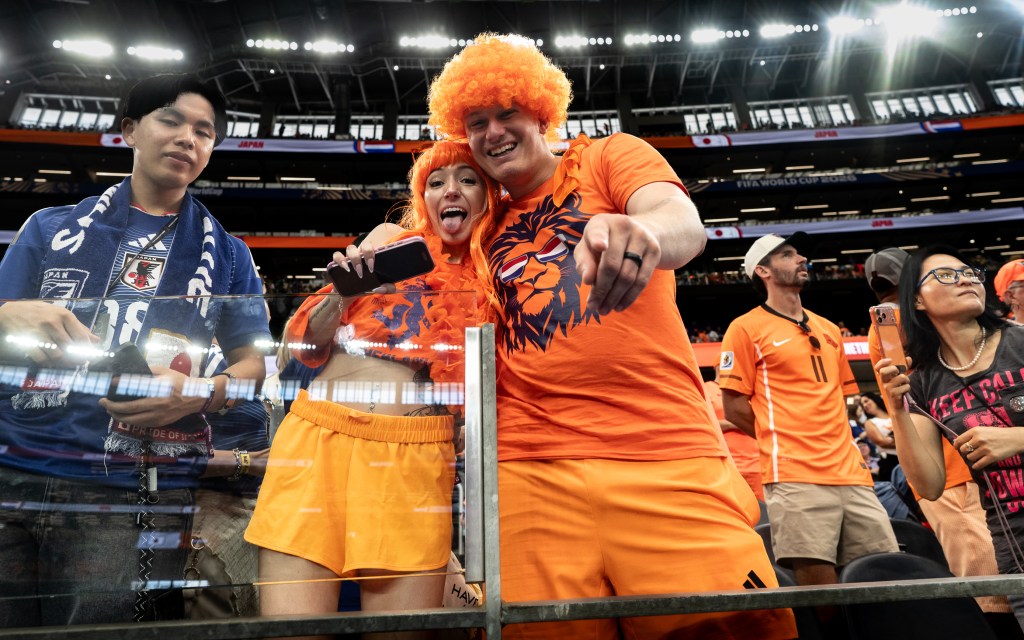
But there are key differences between the vuvuzela and the Japanese soccer group singalong, at least in the context of the 2026 FIFA World Cup in North Texas. The vuvuzela is a traditional symbol of South African soccer fan culture. The type of energy shown not only by the vocal Japanese supporters but also by the vivid, orange-splashed, rowdy Dutch fans is not terribly common in the home of the Dallas Cowboys.
Since opening in 2009, AT&T Stadium has more than earned a reputation for being a tame, overly corporate environment that is easily taken over by visiting teams’ fans. Often seen as a VIP museum for tourists and corporate sponsors to take selfies, it’s safe to say the art-lined walls of Jerryworld have not been rocked this hard since Metallica last performed there a few summers ago.
Added to the noisy jubilation, however, was the way the singing, drumming and chanting from the Japanese fans didn’t stop even after the mighty Dutch squad, also known as the Oranje, outplayed the Samurai Blue throughout the scoreless first half. Even when global superstar Virgil van Dijk headed in the match’s first goal in the 51st minute, a moment that would’ve understandably deflated many other fanbases, the strength of the Ultras Nippon, the Japanese supporters, stayed steady, and maybe even grew more robust.
Hope was not lost, faith had not diminished, and more importantly, those many thousands of fans made sure the players on the pitch knew it.
Mike Brooks
By that point late in the game, the day had already been a Las Vegas-style blitz of colors, sounds, signs, cheers, honks, high-fives and credit card swipes. While the fan fervor perhaps overdelivered on the hype that’s been pumped into North Texas over the past few months, so too did many other promised and threatened elements of the World Cup’s visit to America.
On the drive to the stadium, signs for high-dollar parking began appearing more than a mile away in office and retail parking lots, with $60 as the lowest rate we saw. Some social media posts on Sunday showed parking prices closer to the stadium going for more than $160. Reports indicate, however, that the local public transportation arrangements designed for the tournament ran smoothly on Sunday. Ticket prices, arguably the most discussed World Cup storyline of the entire year, proved outrageously high, with reports just before kickoff stating that it was difficult, if not nearly impossible, to find tickets for less than $1,000.
At least the cost of a domestic beer, $16, was only slightly higher than what one would pay at a traditional Cowboys game.
But there have been unexpected bits of silliness and happiness that have developed as well. Social media wasn’t around in 1994, the only other time the U.S. hosted the World Cup, which means reports and videos of Japanese visitors hilariously lusting after big steaks or German travelers going viral for “discovering” Buc-ee’s and country music have become an unprecedented pop-culture pleasure that has united many, regardless of any other differences that may exist. Videos of the “Orange Fanwalk” more than four hours prior to kickoff looked more like AI creations and immediately hit every local’s IG feed thanks to the, yes, orange, mass of humanity that seemed to step and sway in magnificent unison.
Mike Brooks
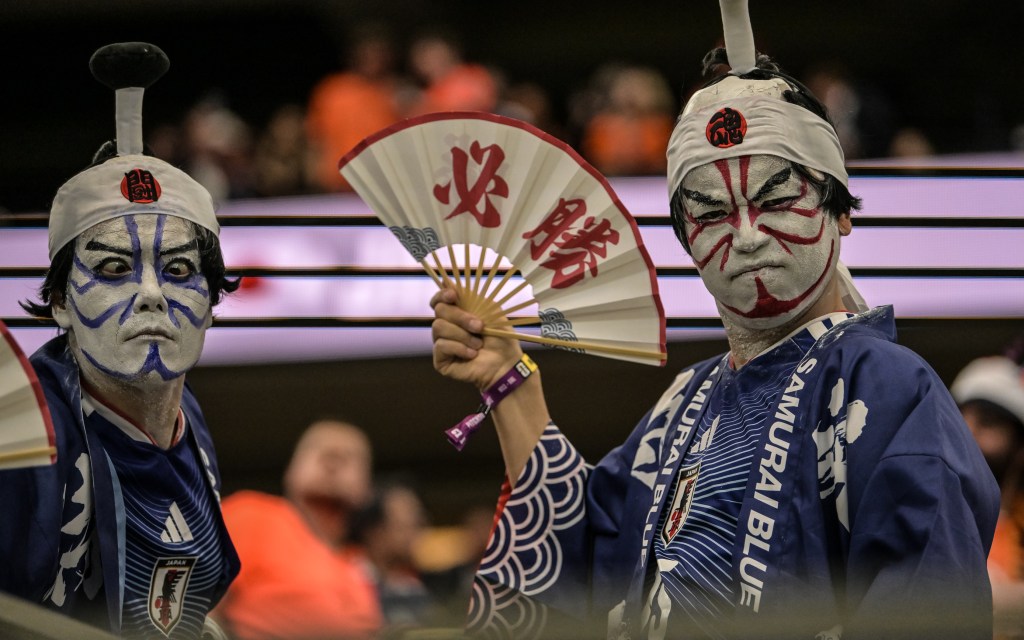
Later in the second half of Sunday’s contest, it was jarring to hear the Ultras Nippon take an (extremely) short break or to hear the throng switch away from “Vamos Nippon” for a quick detour into a different song. But dependably, they returned, and did so in time to will their club to not only tie the game once, but to dramatically tie the match for good 2-2 in the final moments after Japan had again fallen behind. Thanks to the boisterous orange-blue checkerboard pattern of fans throughout the stadium, silence was never an option on Sunday. The euphoric blast of cheers when Daichi Kamada headed in the goal was nearly unimpressive in scale since there had been such a steady stream of vocal encouragement for two hours by that point.
As monotonous as “Vamos Nippon” had become, it was never bothersome. Maybe some local American football fans picked up a few pointers from those who spent so many dollars and hours making the trip to town. Maybe they will be ready the next time that other team in blue takes the field during the NFL season.