Unsplash / John Maldonado

Audio By Carbonatix
Reader support matters more than ever
We're in the final stretch of our summer campaign. Our goal is to raise $12,500 by August 9 to support the journalism our community relies on. Reader support is helping shape the future of local news.
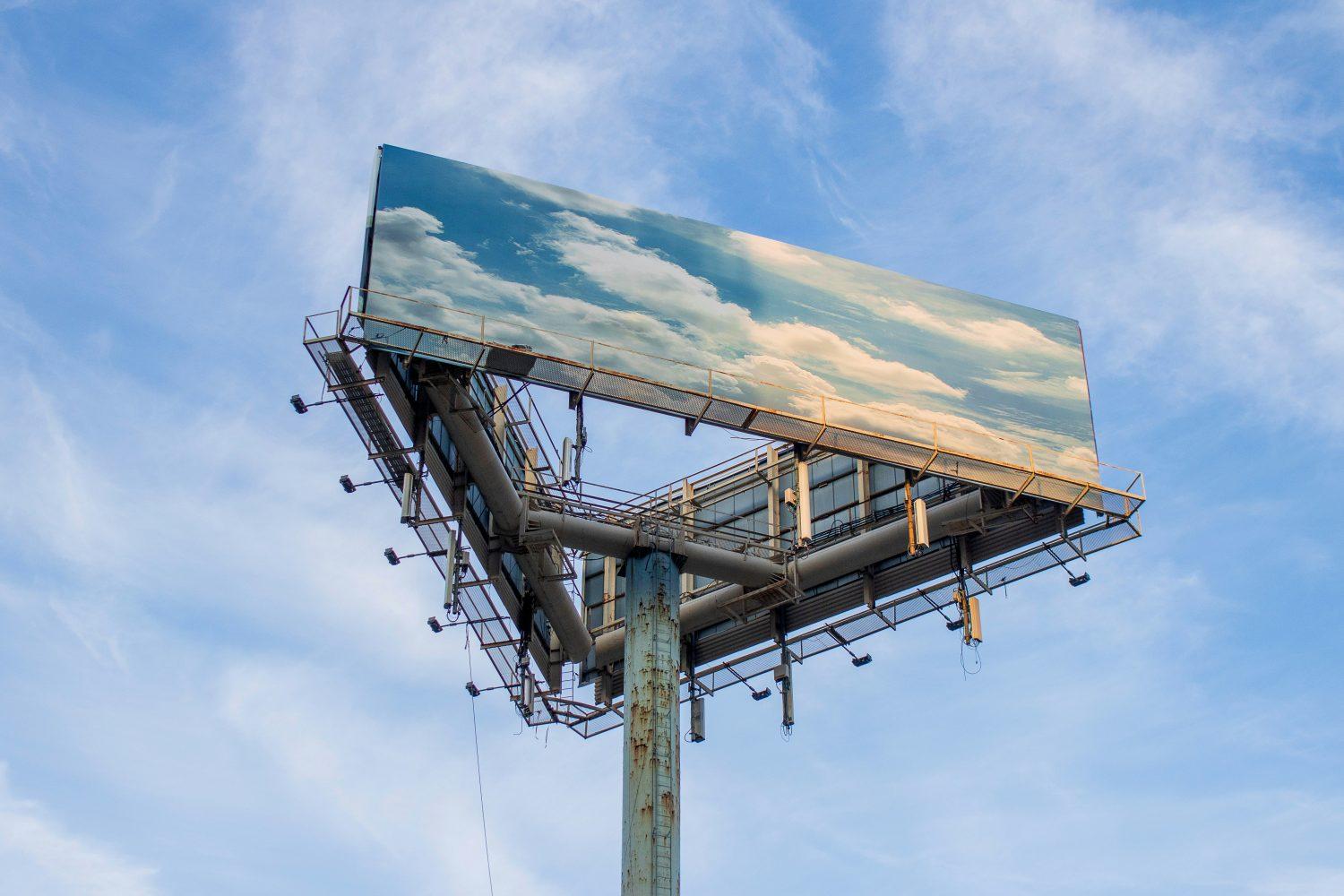
Billboards could be coming to green spaces as Dallas Park and Recreation faces an uneasy financial future.
On Monday, department staff briefed the City Council’s Parks, Trails and the Environment Committee on additional revenue opportunities within the system. Specifically, Deputy Director Ryan O’Connor detailed a plan that could see digital billboards placed on land managed by the department, a proposal which he said could net the city millions of dollars in revenue annually.
The proposal comes at a time when department leaders have been vocal in their desire to maximize revenue opportunities with the city facing budgetary constraints. City Manager Kimberly Bizor Tolbert has asked the department to cut 15% of its budget, totaling roughly $13.1 million, ahead of the upcoming budgeting process as Dallas faces a $51 million budget gap.
Where?
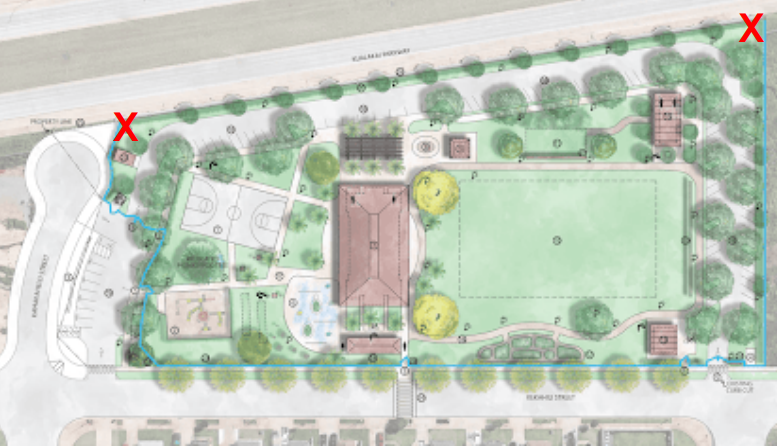
O’Connor said that neighborhood parks “clearly would not be” appropriate for the billboards, and that the department would not support placing them there. Park staff previously told the park board in May that the rollout would be limited to 10 to15 locations citywide. The billboards would be placed on the perimeter of parks facing major roadways, with each custom-designed to complement the space’s existing character, according to the briefing.
City of Dallas
Council members were generally supportive of the plan on Monday. Lorie Blair, who is originally from Southern California, said she had seen similar billboards in public spaces during trips to Los Angeles and encouraged staff not to limit themselves while searching for further revenue streams.
“There are opportunities galore as to what it can look like, how it can operate, and the opportunity for revenue, because everybody wants to advertise,” Blair said at the meeting.
According to the presentation, the billboards would be operated under a lease agreement with a third-party entity, which would also fund their construction. Revenue from seven to 10 locations could generate up to $10 million per year, while a 30-year systemwide agreement could net the city roughly $300 million, staff said.
Paul Ridley, who represents much of downtown and Oak Lawn, said he was “reluctant” to approve further advertising in public spaces, but understood the need. He asked for city-led review of each billboard’s design before construction, something which staff said will be implemented during the potential rollout. Oversight will also extend to the messaging, staff said, as alcohol and tobacco advertisements will not be accepted, similar to the sidewalk kiosks the city recently unveiled.
“I recognize the imperative that you’re operating under to increase revenues of the park department in order to keep up the fine service that you provide to our park system,” Ridley said.
Need the revenue
The presentation Monday was the second in a series of briefings from park staff on how the department can adapt to shrinking general fund budgets. Upcoming briefings will touch on governance and revenue models, while the first detailed plans to turn part of Fair Park into a multi-use district.
Plans for Fair Park could see parking lots redeveloped into retail, lodging or entertainment centers to create what department officials hope will be a self-driving revenue creator for the system. In April, Dallas Park and Recreation Director John Jenkins told the Observer that it and similar initiatives are crucial to weathering uncertain times, adding that “urban park systems are not going to survive if they don’t change their model of thinking.” Like most general fund departments, Dallas Park and Recreation has previously had its budget cut both in 2024 and 2025, despite new parks opening in the meantime.
Jenkins also told the Observer that he supported at least some of the potential revenue being directed into a separate fund dedicated to long-term maintenance at Fark Park, rather than returning revenues entirely to the city’s general fund. The idea seems to be a recurring one, as the department’s proposal for the billboards includes the recommendation that 25% of the potential revenue be put into an endowment fund for the wider system’s operation.
“If we get the endowment going, now imagine 30 or 40 years from now, if you got an endowment that somehow gets to $25 million or $50 million dollars today,” Jenkins told the park board in May. “In 30 or 40 years from today, you’re probably looking at something that’s going to be worth probably in the range of half a billion to close to a billion dollars.”
At the committee meeting Monday, Deputy Mayor Pro Tem Maxie Johnson said he was open to the idea of advertising as parks, but raised questions about department governance after O’Connor told council members that PKR would manage the revenues.
“My reservation is the lack of accountability when it comes to the financial part,” Johnson said. “It’s not under the city manager, which basically means that we will vote on something as a council that we won’t really have accountability to.”
The park department is overseen by Jenkins, who himself reports to the park board. Staff told the committee that the department would still be accountable financially to the council through the budgeting process.
Staff will review the committee’s recommendations and return to the council with more details at a later date. Staff previously told the Park Board the initiative, if approved, could take 18 months to complete.