Ryan Green

Audio By Carbonatix
David Gordon Green remembers the Dallas Observer as both compass and co-conspirator.
Long before he became the filmmaker behind movies as unruly and beloved as “Pineapple Express,” long before he brought new blood to the “Halloween” franchise, and long before he helped steer some of the sharpest, strangest television of the past two decades, Green was a Richardson kid plotting his life in movies with the weekly paper in hand and a bike under him.
“Every Thursday I would walk,” Green says, recalling how he lived a few blocks from a grocery store that carried the Observer. “So, every Thursday I would go get it.”
Then came the next ritual: reading listings, finding the free screening giveaways and riding across North Dallas to Half Price Books on Preston Road to wait in line with what he remembers as a “very circus-like group of people” buzzing over preview tickets.
That image feels almost too perfect — a future filmmaker in the making, pedaling toward free movies, reading the Observer while standing in line for the next thing to flicker across a screen. For Green, movies were never a passing interest. They were weather, appetite and obsession.
Courtesy of Apple TV
“Free movies were my thing,” he says.
That hunger turned scientific. Green worked at movie theaters as he got older and became, by his own cheerful admission, a “movie junkie.” He wasn’t just watching films. He was studying them with a near-comic intensity. He remembers the discount screenings at the old Promenade 6 in Richardson, where tickets cost a dollar. He remembers calling the theater hotline to hear what had changed for the weekend. He remembers the Richardson Public Library, where he read Variety — “always two weeks late” — and memorized box office numbers for fun.
“While other kids had more active and enjoyable fantasy life or athletics life, I was just trying to figure out how I was going to make my way into the movie and TV business,” he says.
You can hear, in that recalling, the crux of a David Gordon Green project beginning to form: the restless curiosity, the appetite for mood, the nerd’s devotion to form and mechanics, the kid from Richardson staring at the machinery and trying to crawl inside it.
There were early sparks. When he was 12, “Born on the Fourth of July” was shot in the area, and Green got to skip school to be an extra, much like Dallas filmmaker David Lowery. Green’s father took him to the set, where he watched Oliver Stone and cinematographer Robert Richardson work. He ended up in the movie’s opening, glancing into the camera and, as he tells it with delight, wiggling his eyebrows.
“Bit by the bug,” he says.
That bug has since produced one of the more fascinating careers in American film and television — one built not on a single lane, but on a talent for veering. Green can move from lyricism to vulgarity, from dread to slapstick, from indie sensitivity to studio chaos. He directed “George Washington” and “All the Real Girls,” then “Pineapple Express,” then the recent “Halloween” trilogy. On television, his fingerprints are all over “Eastbound & Down,” “Vice Principals,” “The Righteous Gemstones” and “Mythic Quest.” Even in his small acting turn in Luca Guadagnino’s “Bones and All,” he managed to be memorable, giving that brief appearance a grimy, electric color that lingered after he left the screen.
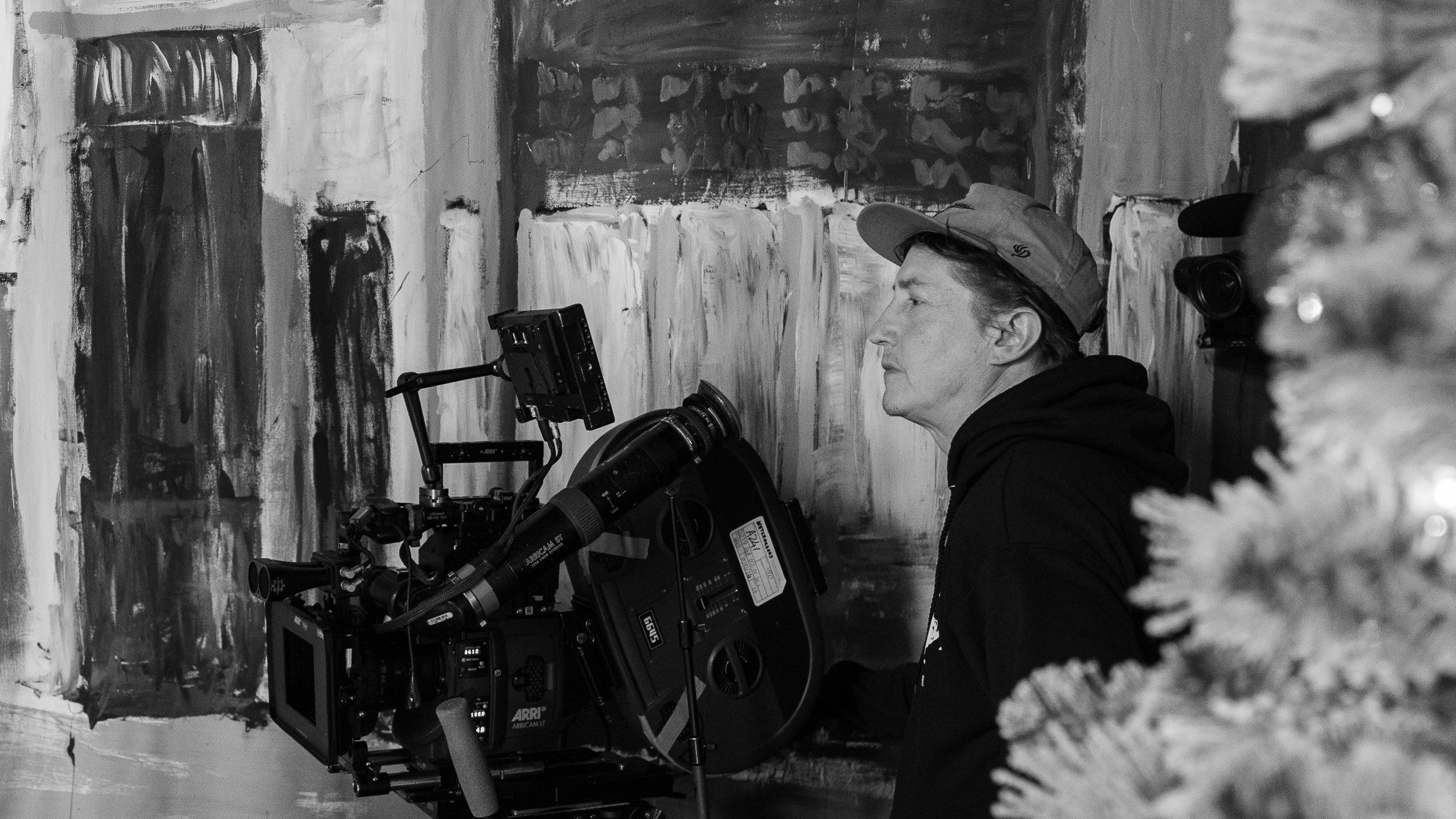
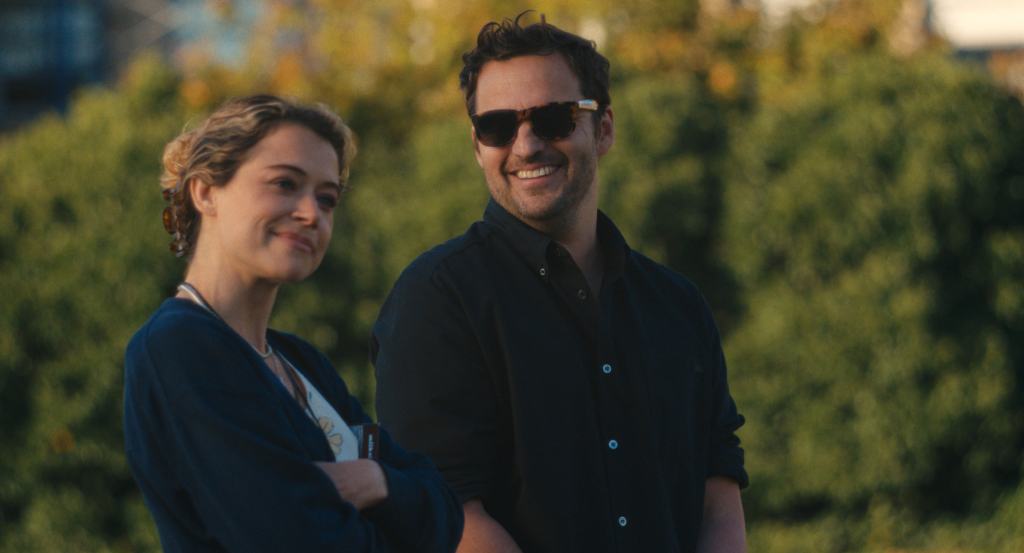
Now Green has brought his sensibility to Apple TV’s “Maximum Pleasure Guaranteed,” a half-hour, 10-episode darkly comic thriller starring Tatiana Maslany and Jake Johnson. The series premiered on May 20 with its first two episodes, followed by new episodes every Wednesday through July 15. Green helped shape the show’s language by directing its pilot, setting the rhythm and tension for what follows.
That work, he says, is one of the pleasures of building a pilot.
“What I love about pilots is you get a great group of collaborators and some creative material, and you start putting paint on a canvas,” he says. “You establish things, you just test some things, you see what works and what doesn’t, and then you hand it off. You pass the baton to the next filmmaker.”
For Green, 2026 has meant leaping across tones and genres: from “Scarpetta” to “Maximum Pleasure Guaranteed” to a broad comedy series with Will Ferrell. But “Maximum Pleasure Guaranteed” seems especially tailored to his gifts because it brings so many of them into a single frame. He describes the show as a place where detective-thriller mechanics, horror textures, comedy and character unease can all coexist.
Green says the job of the first episode is to find the right ratio between suspense and wit, tension and pleasure. The show, which follows a suburban woman whose life bends into danger and absurdity, trades in anxiety, but not the deadening kind. Green wants propulsion and style. He wants audiences to have fun.
“There’s a lot of just oppressive and depressing content on TV,” he says. “I don’t want to watch it, much less spend months and months making it.”
Instead, he says, he wants to make something “propulsive dramatically, but also eye-opening,” with “enough bubblegum and popcorn entertainment infused.”
That may be the clearest window into Green’s particular skill as a storyteller: his understanding that discomfort only works if it seduces. He does not merely want to unsettle you. He wants to keep you leaning in.
Courtesy of Apple TV
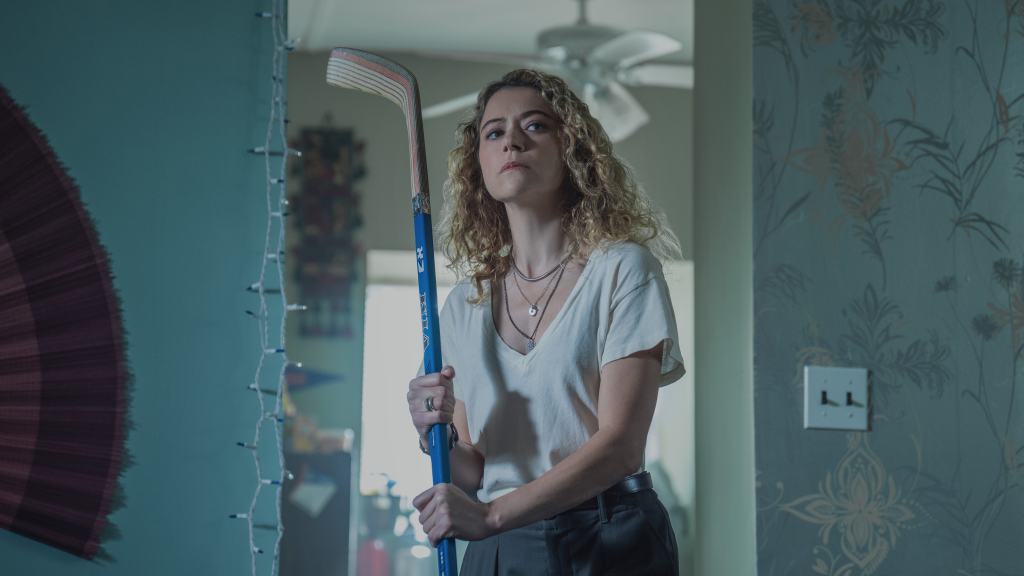
When we mention the queasy, finely tuned unease he conjures in “Maximum Pleasure Guaranteed,” Green points to Todd Haynes’ “Safe” as a touchstone, calling it a film with the kind of discomfort he deeply enjoys. That tension, he says, shaped his earliest conversations with creator David J. Rosen about the path the show could take. The goal was not just anxiety for anxiety’s sake, but anxiety with rhythm, with visual snap and a kind of musicality.
“There’s a bit of a musical quality to her adventures here,” he says of Maslany’s character. “Making sure that there’s enough kind of snap and pop, physicality, camera opportunity to be able to make it a colorful experience and something that the audience is going to want to stick with.”
“Colorful experience” is key to understanding Green’s work, even at its bleakest or bloodiest. The man who can orchestrate mayhem in “Halloween” or comic rot in “The Righteous Gemstones” still thinks like the Richardson kid who chased free screenings and memorized box office charts. He loves the architecture of entertainment. He loves what images can do to your nerves. He loves the push and pull between dread and delight.
And maybe that started here in North Texas, where the map to a movie life was not obvious, but could be pieced together from newspapers, library shelves, theater recordings and bike rides up Preston Road.
Green’s memories of Dallas, and to a more zeroed-in degree, the Observer, are fond, but they are more than nostalgic. The memories speak to the way local culture can quietly tutor ambition, how a newspaper can be a ticket line, how a listing can be an opening and how a kid in Richardson can stare at a page and begin building a future.
Green did exactly that: He read, rode, watched, listened and learned. Then, he went off and made a career out of turning unease into motion, tension into pleasure and strange feelings into unforgettable screens.
Not bad for a movie scientist from Richardson.
‘Maximum Pleasure Guaranteed’ is available for streaming on Apple TV.