
Photo by Lauren Drewes Daniels

Audio By Carbonatix
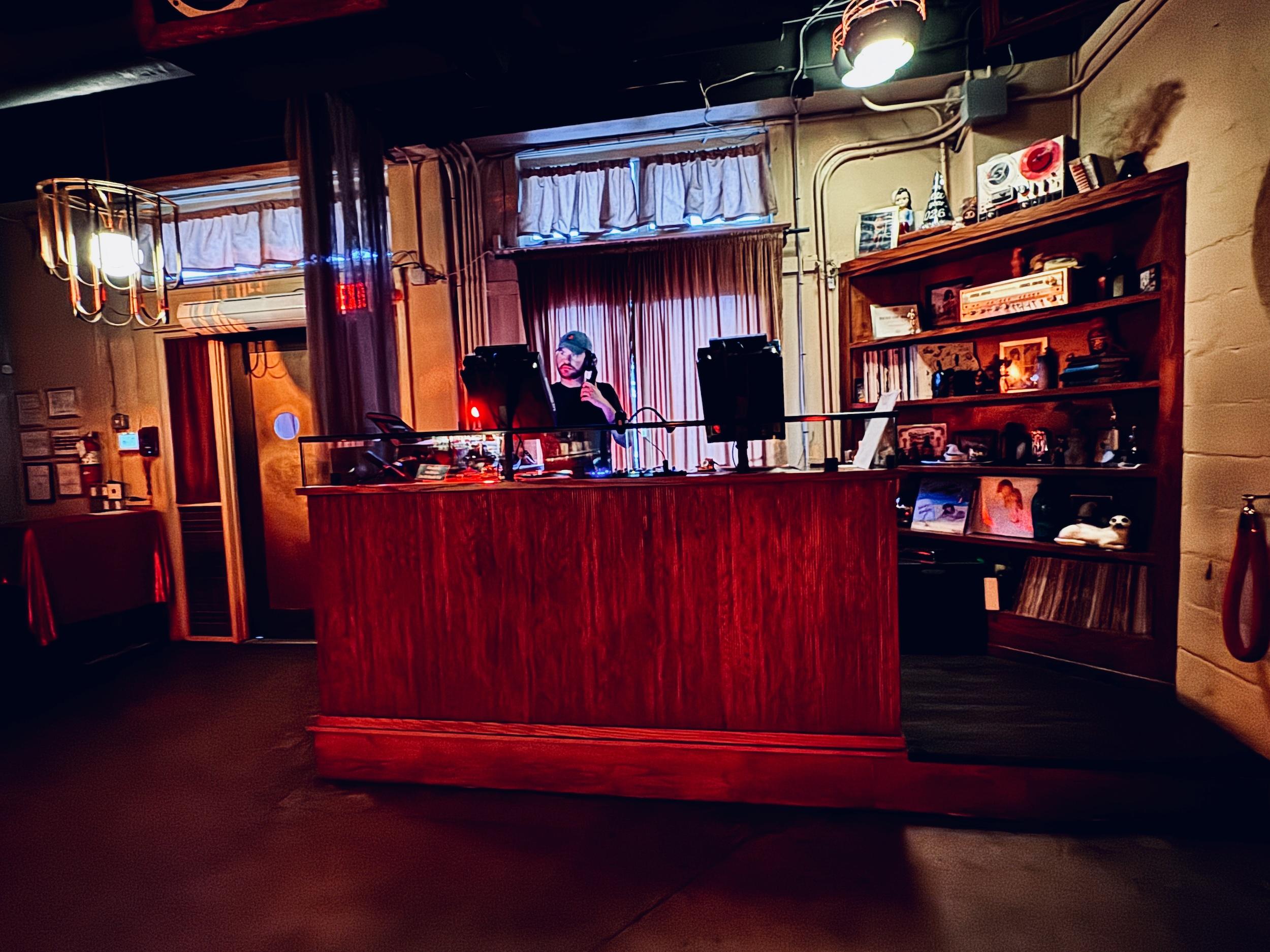
Beloved Bishop Arts bar LadyLove Lounge and Sound is on its own frequency. The ’70s-inspired space is a listening lounge, a mecca for music lovers and, later in the evening, a popular spot for dancing. Doechii and Janet Jackson have paid visits. The only complaint here is from those who can’t get in when the space is at capacity. But that’s a problem the owners are trying to solve.
Recently, co-owners David Grover and Kate Siamro broke their silence online about their struggle to increase occupancy numbers and repeated visits from the fire marshal.
“There’s just total extra enforcement,” Grover says. “We got people who are just dancing, having fun, and then all of a sudden we have police officers busting into our place … counting people and still getting the count wrong, even when we counted twice.”
LadyLove’s occupancy limit is set at 93. Long lines that snake into the nearby alleys indicate higher demand.
The owners’ quest to raise the occupancy has not been easy. The problems started with the city of Dallas’ new Nighttime Economy and Responsible Hospitality (NTE) Division, an initiative created to strengthen nightlife, cultural economy and global event readiness.
Around the time this division was created, Bishop Arts saw an influx of visits from the Dallas Fire Marshal’s Office. Their presence was so heavy (and feared) that businesses began notifying one another when they appeared in the neighborhood. LadyLove received multiple citations, each carrying a penalty of up to $2,000.
“Going past our limit made us realize that we need to up our occupancy, legally. We want to be good legally,” Siamro says. “We’re losing money two ways; we’re losing money at the bar because there aren’t enough people in the space, but also, we’re really screwed when we get fined. It really messes up the night; it messes up everything.”
Empty Conversations
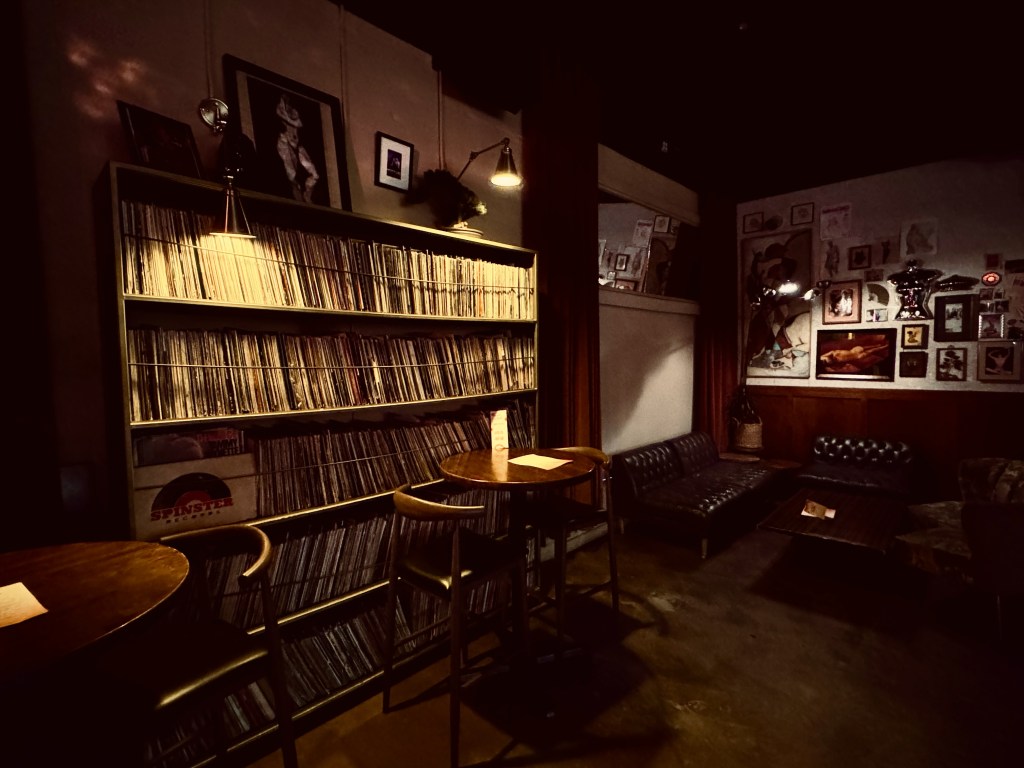
Photo by Lauren Drewes Daniels
Siamro and Grover feel unsupported by the city in their efforts to increase occupancy. They’ve been led through various hoops and empty conversations. Grover has been to the inspections department at the Oak Cliff Municipal Center about 50 times in the past six months.
”Every time we try to raise the flag or something, everyone comes running like, ‘Oh, we can help you,’ and then I get a few phone calls, and it seems like things are going good, and then all of a sudden, we get looped into this whole thing again, it’s very frustrating,” Grover says.
The first step is to install additional fire protection systems, such as sprinklers, which the duo is happy to do. But they still lack clear answers on how much that would increase occupancy.
“It just feels like I should be able to go to the city, look at the plan that was professionally drawn, and tell me how many people I get. That’s all I want to know before I invest hundreds of thousands of dollars into a sprinkler system,” Grover says. “We’re just looking for some relief and some help for small businesses in Dallas.”
‘People Get Scared to Talk About It’
Siamro and Grover decided it was time to be transparent about their struggle because it affects patrons as well.
“I feel like it’s kind of a weird faux pas with a lot of bars to talk about it,” Siamro says. “I don’t know if it’s like a manifestation thing, but I feel like a lot of people get scared to talk about it because they don’t want to make it worse. I feel brave enough to say something because we are trying our best to get it fixed.”
LadyLove isn’t the only small business to experience issues with the city recently. In late 2025, Reveler’s Hall was ordered by the Night Entertainment Team to stop charging a door cover fee, which went directly to the musicians.
Other small businesses in the area have reached out to LadyLove’s since their social media post. Some express similar issues they’ve been dealing with, making Ladylove’s perceived isolation feel less lonely. Thankfully, feedback to the initial post has been overwhelmingly positive.
“When I was going through the comments, I was getting really emotional and even just people writing and saying it’s worth the wait, like the fact that someone thinks it’s worth the wait to our space is something that just hits me heavy,” Siamro says.
Their goal is not to fight the city or ruffle feathers, but to create a partnership and do things openly and honestly. At the end of the day, they only want their space to continue to grow and positively impact the community.
“We don’t even do this for the money; if we did this for money, we’d be gone,” Grover says. “We do it because we love the culture, and we love Oak Cliff, and we love Dallas. We literally love our place, and we just want to see the music and the culture thrive.”
The Observer emailed Dallas’ Planning and Development Department for a response to Siamro and Grover’s complaints and got this reply:
“The City works with businesses to help them understand what is required to safely increase occupant load. The process is straightforward, but it must follow established building and fire code requirements.
“City staff have been in regular communication with the business and have provided consultation, guidance, and direction on the steps needed to move forward.
“A business may request a consultation with staff to discuss a proposed increase and receive general guidance. However, the official occupant load is determined only after a building permit application is submitted and plans are reviewed.
“When a project involves changes to the building, such as modifications to layout, exits, restrooms, or operational use, those changes must be reviewed for compliance with building, fire, plumbing, electrical, health, and zoning regulations. In some cases, life safety systems such as fire sprinklers may be required depending on the final occupant load and configuration.
“As part of this process, any prior or ongoing work that was not previously reviewed through a permit must be evaluated to ensure the space meets current safety standards.
“The City remains available to assist applicants through consultation and plan review to help them move forward as efficiently as possible while ensuring compliance with applicable codes.”
