
Adobe Stock

Audio By Carbonatix
Independent Journalism in Dallas Needs You
We need to raise $12,500 by August 9 to support the reporting our community depends on. Reader support keeps us independent and is playing a larger role in funding local journalism and shaping what comes next. If you believe independent local journalism matters, make a contribution today.
Three words can sum up a new, 30-page study on pollution affecting Texas’ waterways: plastic is everywhere.
A survey of nearly 80 rivers, lakes, coastal inlets and streams by the Environment Texas Research and Policy Center found that microplastics are affecting the majority of the state’s water environment. Unable to fully biodegrade, a piece of disposed plastic breaks down into smaller and smaller pieces.
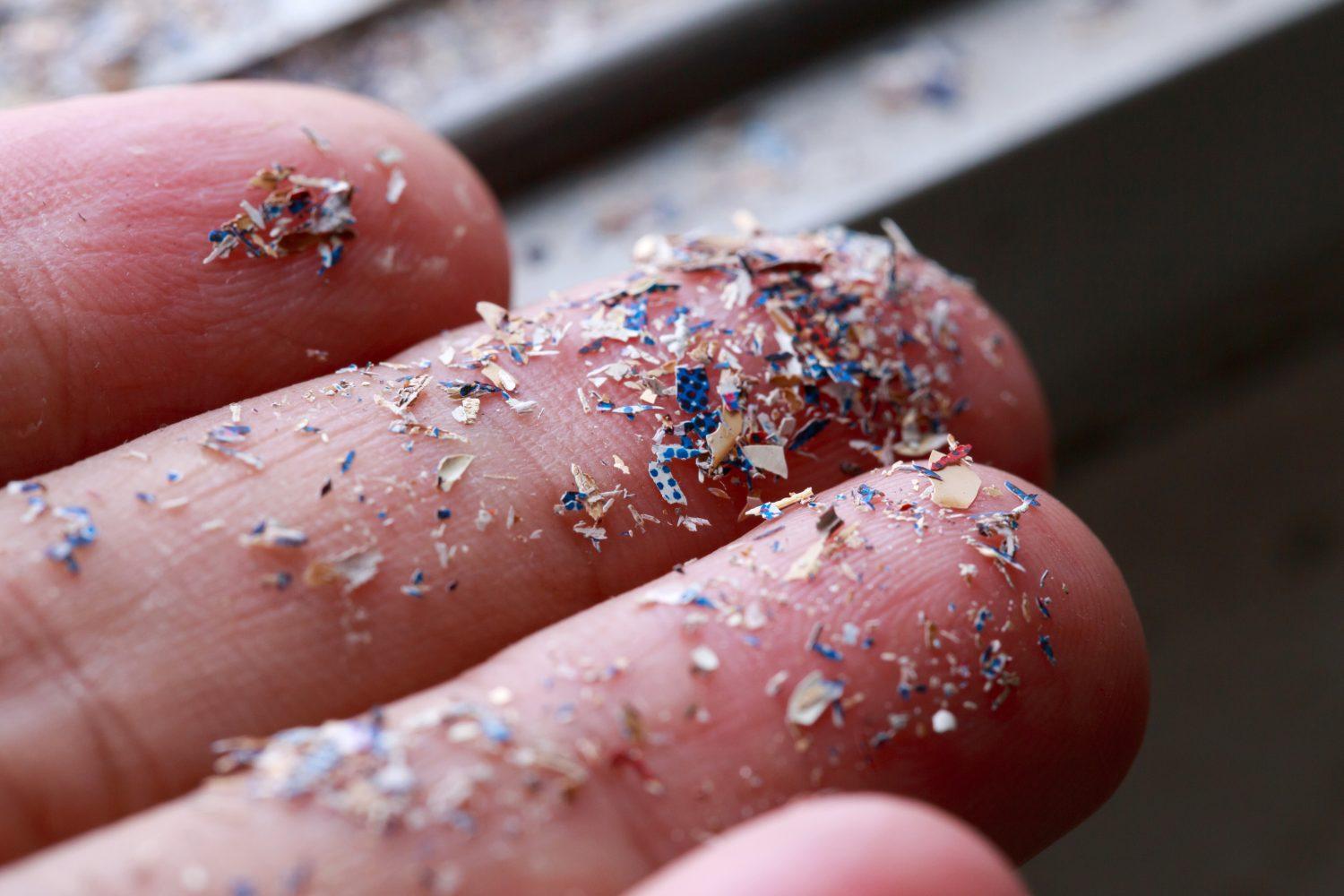
The smallest of this microplastic waste measures less than a grain of rice and has been “found in the deepest depths of the ocean and on the highest mountains in the world.”
Ian Seamans, the author of the report, described the pollution as “a nearly invisible constant in our Texas waterways,” which Texans are exposed to while fishing, swimming and boating, KERA reports. The study looked for four types of microplastics — microfibers, microfragments, microfilms and hard pellets — and found that 99% of sites had at least one of the pollutants present.
A sample of Trinity River water taken near the Gulf Coast tested positive for microplastics, although the data did not show which form was present. A White Rock Lake sample taken earlier this year revealed microfibers in the water. Microfibers are among the most common forms of microplastics, the report states, and originate from garments made of synthetic fabrics. Wear and tear can release microscopic threads into the air, and regular machine washing introduces fibers into wastewater, which cannot be fully filtered out.
Lake Lewisville and Mountain Creek Lake both also tested positive for microfibres, with the latter reservoir also showing positive for plastic pellets. The pellets are typically used to make new items but can end up in waterways if improperly disposed of.
While it is not fully known what effects microplastics have on human health, the report warns of dire environmental consequences that could inevitably affect people.
“For a bird or fish, it’s easy to mistake microplastics for food. … These plastics can cause suffocation and gut blockage, and animals that ingest too much plastic can starve,” the report states. “Scientists have found that ingesting even tiny particles of plastic can alter the behavior and metabolism of fish – and people can ingest these pollutants as they make their way up the food chain.”
Microplastics have been found in the blood and lungs of living patients, and the chemicals within the plastic are linked to “endocrine disruption, hormonal effects and reproductive disorders.” The pollution is nearly impossible to filter out; it has been found in bottled water and in soil affecting the growth of crops. Microplastics have been found in oysters’ stomachs and in human placentas.
The report urges state legislators to pursue aggressive legislative action in the 2027 session to help combat the growing presence of microplastics in Texas’ water. Among the recommendations are laws that would ban single-use plastics or combat textile waste by targeting fast-fashion suppliers. It also endorses some legislation that has already been introduced in past legislative sessions — like a bill that would incentivize bottle recycling — but was left pending at the committee level.