
Waymo

Audio By Carbonatix
Driverless vehicles may reduce congestion in the Dallas-Fort Worth area, according to a new SMU study, although doubts and a variety of concerns regarding safety remain.
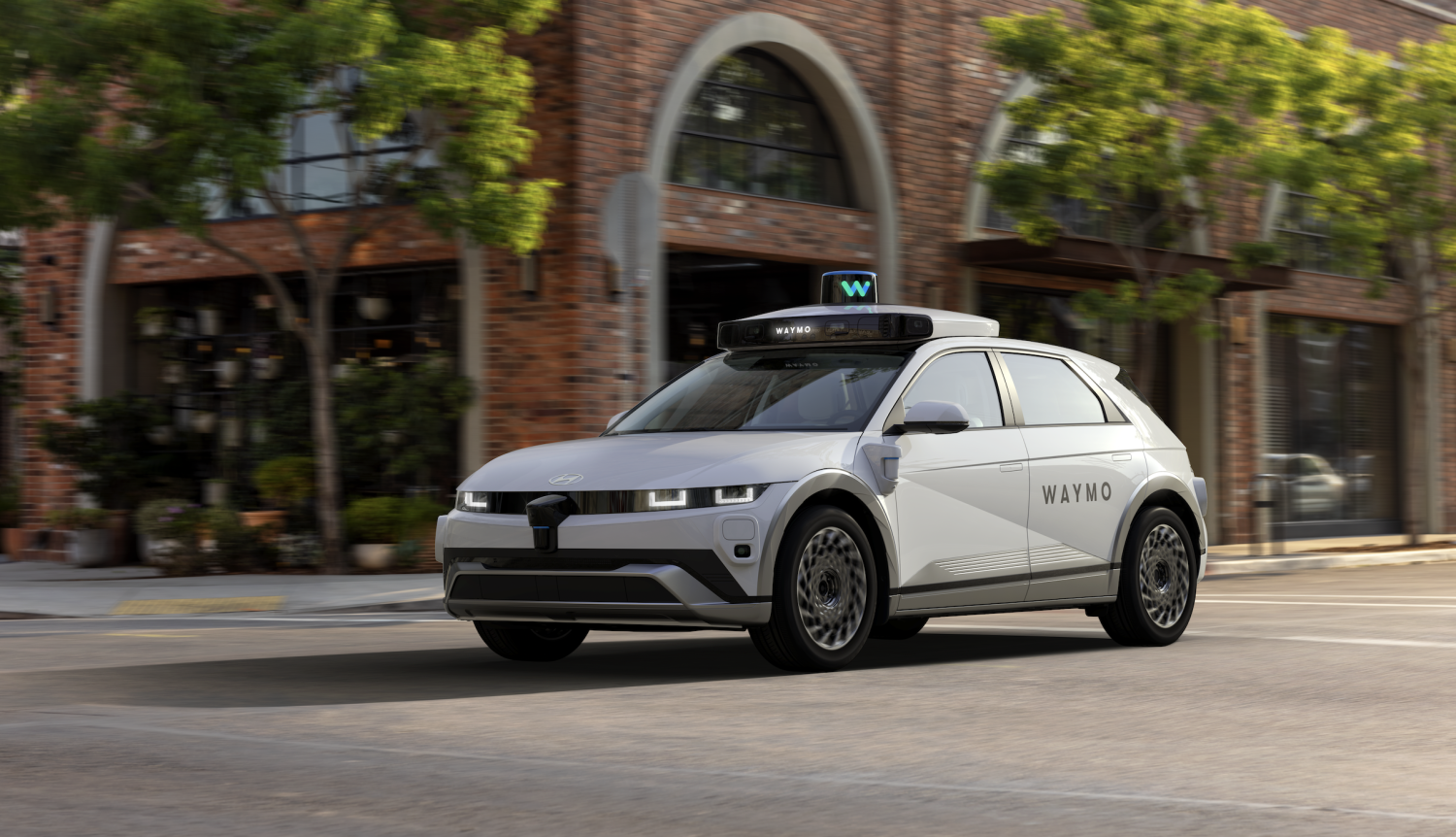
Human-monitored, AI-driven vehicles debuted in December with the rollout of an Uber-backed Avride driverless fleet in Dallas. Waymo followed suit in February, launching fully driverless services in an area roughly spanning from University Park to the Bishop Arts District. Since then, critics have pointed to worrying reports of collisions and robotaxis driving through flooded roadways, with Waymo temporarily suspending operations in May after one such instance in San Antonio.
However, advocates for the technology have continued to promote its potential to enhance accessibility and transportation experiences. One area in which driverless cars show promise, according to a new SMU-led study, is relieving congestion. Another study from 2024 found that Dallas is the 17th most congested city in the U.S, with drivers losing an average of 36 hours each year sitting in traffic.
The study was led by researchers from SMU and Texas A&M’s Texas Transportation Institute’s Travel Forecasting Program, with partial funding and traffic modeling provided by the North Texas Council of Governments. Researchers predicted traffic patterns for 2045, considering fully automated, hybrid and partial scenarios.
“Traffic congestion is often driven not only by high demand but also by speed variability and stop-and-go behavior, which reduce flow efficiency,” Kheled Abdelghany, a fellow at SMU’s Stephanie and Hunter Hunt Institute for Engineering and Humanity, said in a release. “Autonomous vehicles may help mitigate these effects through smoother and more coordinated driving.”
For the study, researchers conducted 25 experiments with 100%, 50% and 25% of total 2045 traffic being driverless, all benchmarked against a 0% driverless scenario. In the fully automated scenario, researchers found that traffic delays could fall by up to 33% in DFW. The model also suggested that hours spent in traffic could be cut by at least 19%. However, that model assumes an even more car-centric future for North Texas due to increased transit convenience, with the results hinging on an increasing number of people leaving the core parts of Dallas-Fort Worth for far-flung peripheral communities.
The study also found that while communication between driverless vehicles and traffic lights could slightly reduce delays, the impact was not substantial compared with the predicted improvements on highways and major arterials.
However, there have been doubts about whether driverless vehicles can sustainably free up roadways. An MIT study found that almost half of autonomous vehicle hours are spent without a human in the vehicle, and that public resistance to AVs has lingered with their rollout.
Critics argue that increased convenience will create self-propagating and growing demand for vehicle transit, further clogging roadways. There are also concerns that convenience could lead to further suburban sprawl and “cannibalize” public transportation, with a UC Davis study finding that the growth of AVs and ride-hailing led to an overall decrease in public transit use.
In an area where outer-ring suburbs have grown voraciously at the expense of Dallas County, and the threat of a suburban-led exodus recently seemed poised to endanger the future of DART, these concerns may be especially salient.
Worries also remain as to the safety of the vehicles. Amid reports of robotaxis blocking emergency vehicles, the Federal Highway Transportation Safety Administration announced an investigation into Avride in May after 16 collisions involving its vehicles were recorded in Dallas and Austin. Non-commercial driverless vehicles are also facing scrutiny, especially after a 76-year-old woman was killed when a Tesla crashed into her home. After claiming the vehicle was in self-driving mode, the driver was charged with manslaughter earlier this week.
In the release, Abdelghany said he was aware of the concerns but noted the potential of driverless vehicles to improve access for the elderly, blind individuals and those with other disabilities.