Adobe Stock

Audio By Carbonatix
Jury selection begins today in the trial of Frisco teenager Karmelo Anthony over the death of another Frisco ISD student, Austin Metcalf, at a track meet in 2025.
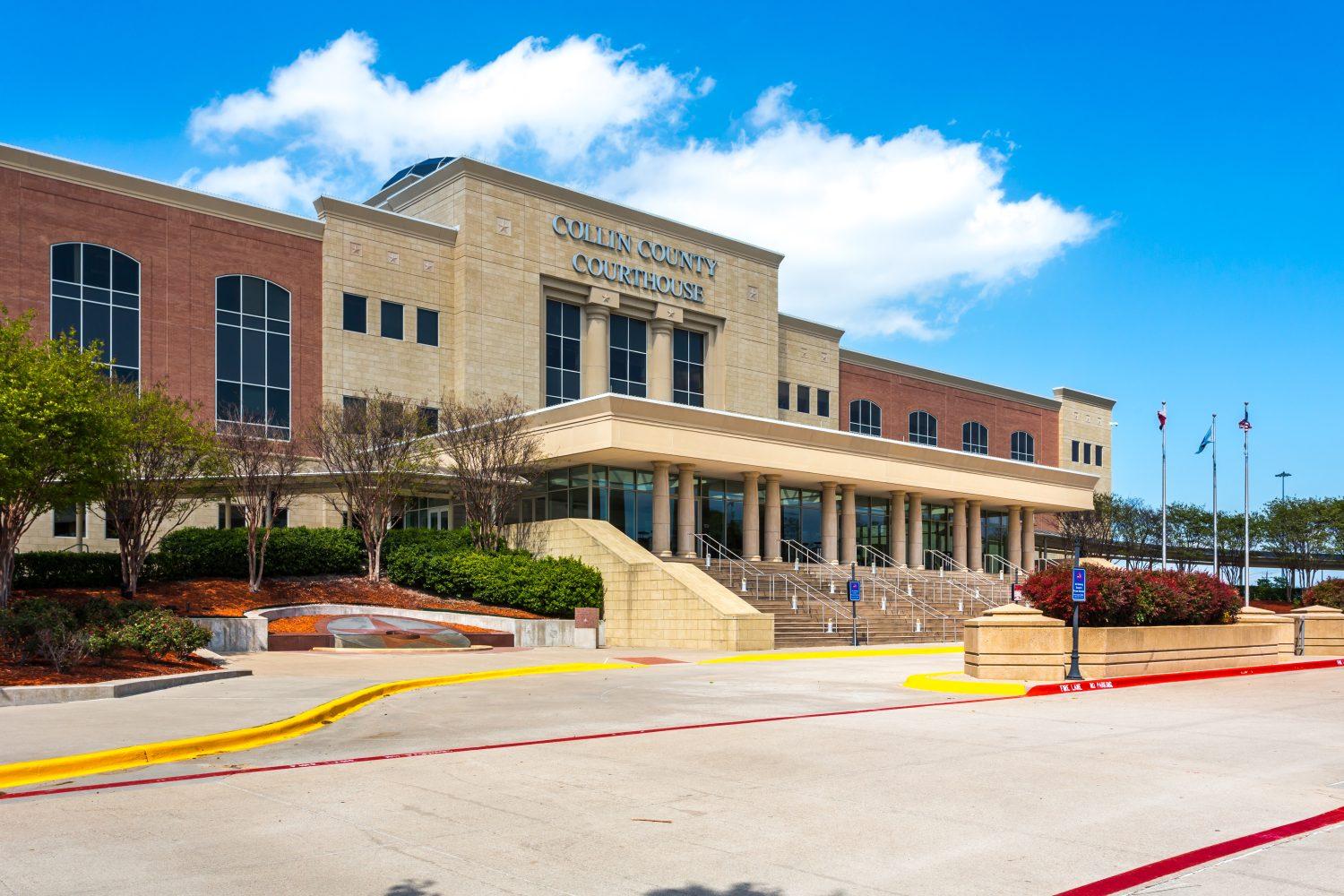
Anthony, 19, is charged with first-degree murder in the stabbing death of Metcalf. Jury selection began Monday morning at the Collin County Courthouse, where the trial will be presided over by Judge John Roach Jr. of the 296th District Court.
The case has drawn nationwide coverage since Metcalf’s death at a track meet in April 2025. Social media narratives have largely centered around race, with misinformation spreading over the course of the last year. A false medical examiner’s report circulated on social media in the aftermath of the stabbing, while inflammatory posts on X accounts misrepresenting themselves as Frisco Chief of Police David Shilson garnered attention. Frisco Police have said race did not play a role in the stabbing of Metcalf, a white Memorial High School student, by Anthony, who is Black and attended Centennial High School.
Both families have been subject to harassment since the incident, including multiple false reports of high-risk incidents at their homes to the police, a practice commonly known as swatting. On April 17, Anthony’s mother told reporters that “the lies and their amplification put my family in danger.” Two days later, pardoned Jan. 6 rioter Jake Lang held a “‘Protect White People’ rally in Frisco, which Metcalf’s father disparaged as an attempt to use his son’s death to push a racist narrative.
Anthony’s attorneys are arguing that the teen acted in self-defense when he stabbed Metcalf under the Memorial High track team tent at David Kuykendall Stadium. Metcalf received medical attention at the scene but died after a single stab wound to the chest, while Anthony was apprehended by police shortly after the incident, according to police reports. Anthony reportedly confessed to the stabbing and asked if it could be considered self-defense at the scene.
Due to the attention the case has received, Roach has issued a set of extremely strict courthouse rules for the media during the trial. Only nine media representatives will be allowed in the courtroom; live streaming, photos and audio recording for purposes aside from notetaking are banned; heavy restrictions have been placed on interviews and exhibits will not be released to the public until the trial concludes.
Roach wrote that the case “has generated substantial public and media attention and … unrestricted access or activity may compromise courtroom security, juror privacy, and the Defendant’s right to fair trial.” He has also issued a gag order preventing attorneys for both sides and witnesses from discussing the case publicly during the trial, which is expected to run for two weeks.
Key points to watch for in jury selection
Russell Wilson is a former assistant district attorney with the Dallas County district attorney’s office and is unconnected with the trial. He said that the idea of “jury selection” is somewhat of a misnomer.
“It’s actually deselection. Each side gets 10 strikes that they can make, and jurors are asked questions to see whether or not they have a bias and can be fair and impartial.” Wilson said. “Then the first 12 people that are not struck or that have a legal reason that they can’t be there are the people who actually make up the jury, so nobody actually chooses your jury. You actually get some choices on folks that you do not want on your jury.”
Wilson said jurors, who are being selected from a pool of 600 people, as reported by WFAA, will likely have already filled out questionnaires designed to assess their ability to try the case impartially.
To whittle the pool down to the final 12 jurors, attorneys from both sides will ask questions about their backgrounds, Wilson said, along with specific inquiries on their pre-trial exposure to the facts
“They can expect to be asked whether or not they have made any social media posts regarding the case, or have they liked other social media posts,” Wilson said. “If you’re looking at it as sides, and that would be for or against. So you’re trying to determine their level of engagement, on the issues that are going to be decided, that they’ve had before they come to trial.”
He said the ideal juror will have minimal or no background information on the case, although he added that, given the intense coverage it has received, it may be hard to find those individuals.
“But sometimes people don’t watch the media as much as we would like to believe,” Wilson said.
In addition to the 12 jurors who ultimately serve on the trial jury, the judge will also select several alternates who will sit in on the proceedings and hear evidence in the event that one of the original jurors is unable to perform their duty through the trial’s conclusion.
Wilson said the questions asked by both the prosecution and the defense will be worth watching, as the potential jurors struck by each side will tell onlookers what their ideal juror might be. Each side likely already has a profile of their preferred juror, he said, which will include past interactions, or lack thereof, with law enforcement. The self-defense argument will also play a pivotal role in the trial.
“An ideal juror, if the state had their choice, might be a middle-aged mom who had a son near the age of the young man that passed away, who is familiar with the school and has a positive impression of the school overall,” he said. “An ideal juror for the defense may be a person that themselves has had to defend themselves against somebody or have felt attacked before, and perhaps is a strong self-defense type of advocate, and probably isn’t too condemning of youthful people.”
If convicted, Anthony could face up to life in prison. The jury will have the final say over sentencing as mandated by state law. Wilson said prosecution and defense attorneys will be interested in potential jurors’ ability to deliberate punishment during questioning.
“They’ll also have to address the issue of, in the event of a guilty verdict, what type of punishment they believe the jurors might assess, and so you’re asking questions regarding that,” he said. “How do you feel about punishment, and do the jurors ultimately have to be able to consider the full range of punishment? And if they don’t, they’re not able to sit on a murder case.”
Jury selection is expected to run through Wednesday. If a jury is seated by then, oral arguments and testimony could begin as early as Thursday.