
Photo by Melanie Hernandez

Audio By Carbonatix
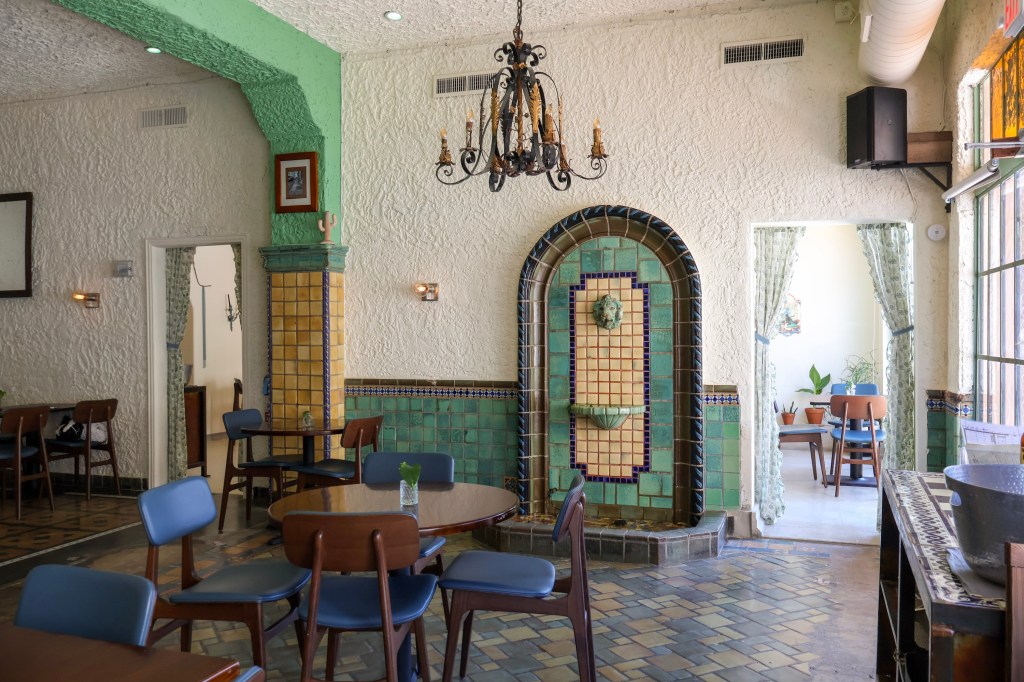
Mexico is closer than you think at this new Dallas restaurant. The lonesome cantina stands alone on Canton Street near the Farmers Market, notable for its historic Venetian Gothic charm passed down from its original owners, the Desco Tile and Marble Company.
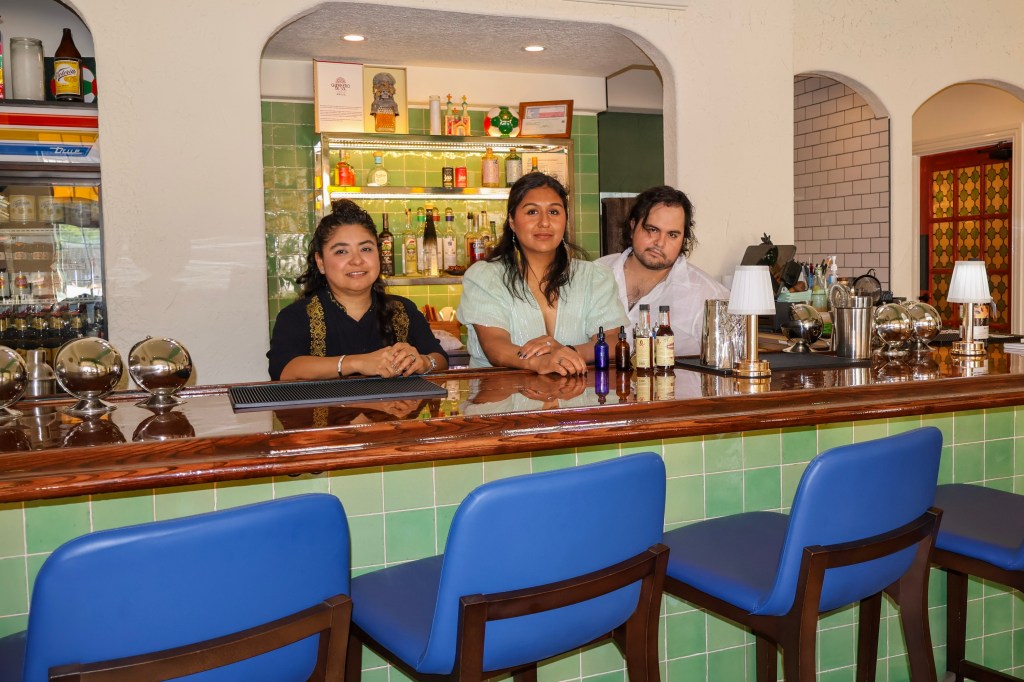
Sor Juana is a botanería, serving up botanas, or “bar bites,” with every drink order (think tapas but Mexican), with the goal of being an inclusive third space. Alexandra Hernandez and Karla Soria co-own the business and run it with the help of Saul Hernandez, the bar manager.
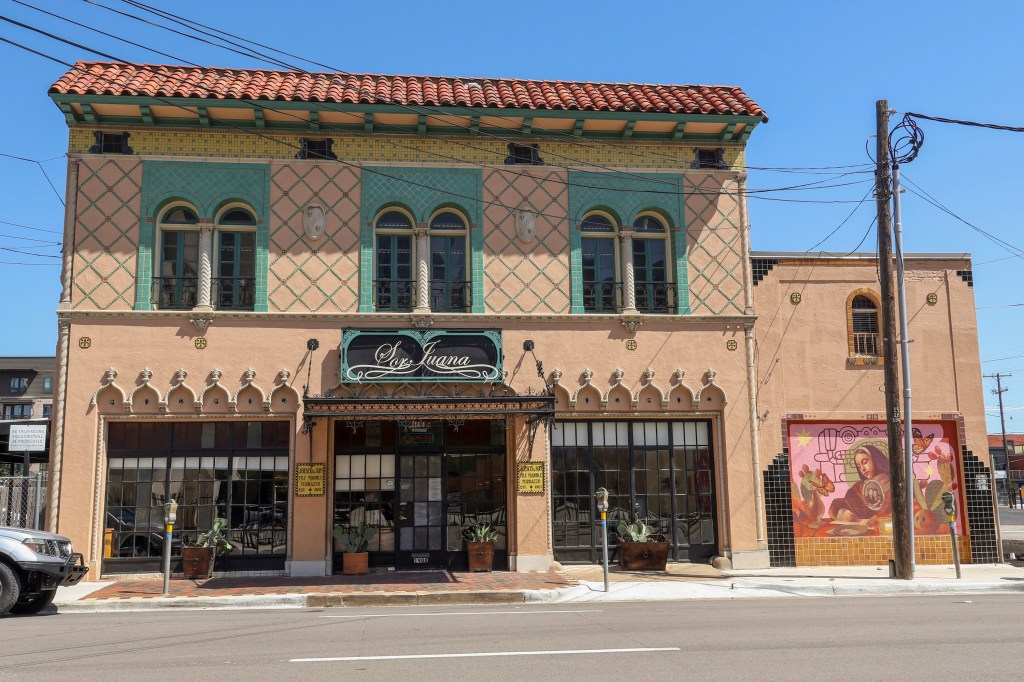
Photo by Melanie Hernandez
“It’s vital that we have something like this,” Alexandra says. “I don’t think it’s political to have a space that welcomes everyone. I don’t think it’s political to have good drinks and food. I don’t think it’s political to want to represent where you come from and the community that’s built you, helped you succeed, and has given back to you.”
Alexandra and Karla first met at a dance group five years ago, and their partnership blossomed after Alexandra returned from a trip to Mexico with the idea to open a cantina. At the time, Karla was undergoing a career transition and was on board with the plan.
Convivio
“Our conversation always went back to the loss in our culture of hanging out – in Spanish, it’s called “convivio” – just coming and spending time with each other, and talking, and they’re not being an agenda,” Karla says.
Both women come from male-dominated spaces, Alexandra in the arts and Karla in the culinary world, where women are seldom in positions of power, so they wanted to change that to benefit themselves, employees, and the community. Sor Juana also wants to bring Latinos home, especially those no longer in their native countries, by fostering an atmosphere where they can feel liberated regardless of whether they’re Mexican.
“We hold multiple identities, like I’m not just Chicana; I’m also a woman, and then Saul, you know, he’s a male bartender; a Latino man, and Karla, she’s part of the LGBTQ+ community, and she’s also Mexicana, and so there are multiple identities that we represent for people,” Alexandra says.
Sor Juana Inés de la Cruz
Researching their concept led them to one of Mexico’s greatest writers: Sor Juana Inés de la Cruz, a 17th-century poet, playwright and nun who fought for women’s right to education. Her image can be seen on the front walls of the building, painted by muralist Janin Nuz from San Luis Potosí, Mexico.
Sor Juana is the quintessential name choice for their women-owned establishment because, traditionally in Mexico, women were not allowed inside cantinas. The government believed it wasn’t a space for respectable women to go, considering it was a violent, masculine scene where men drank excessively. In 1981, laws were finally changed to allow women inside.
“For us, it was really exciting to be able to open up a cantina, and I think both of our personalities – we like to go against the grain; if somebody tells us we can’t do something, then we’re gonna try and figure out a way to do it,” Alexandra says. “In relation to Sor Juana, it was the same thing: being told that you can’t continue to write, that you can’t educate yourself, and so finding any way to continue because that’s your truth.”
Mexican dishes and cocktails
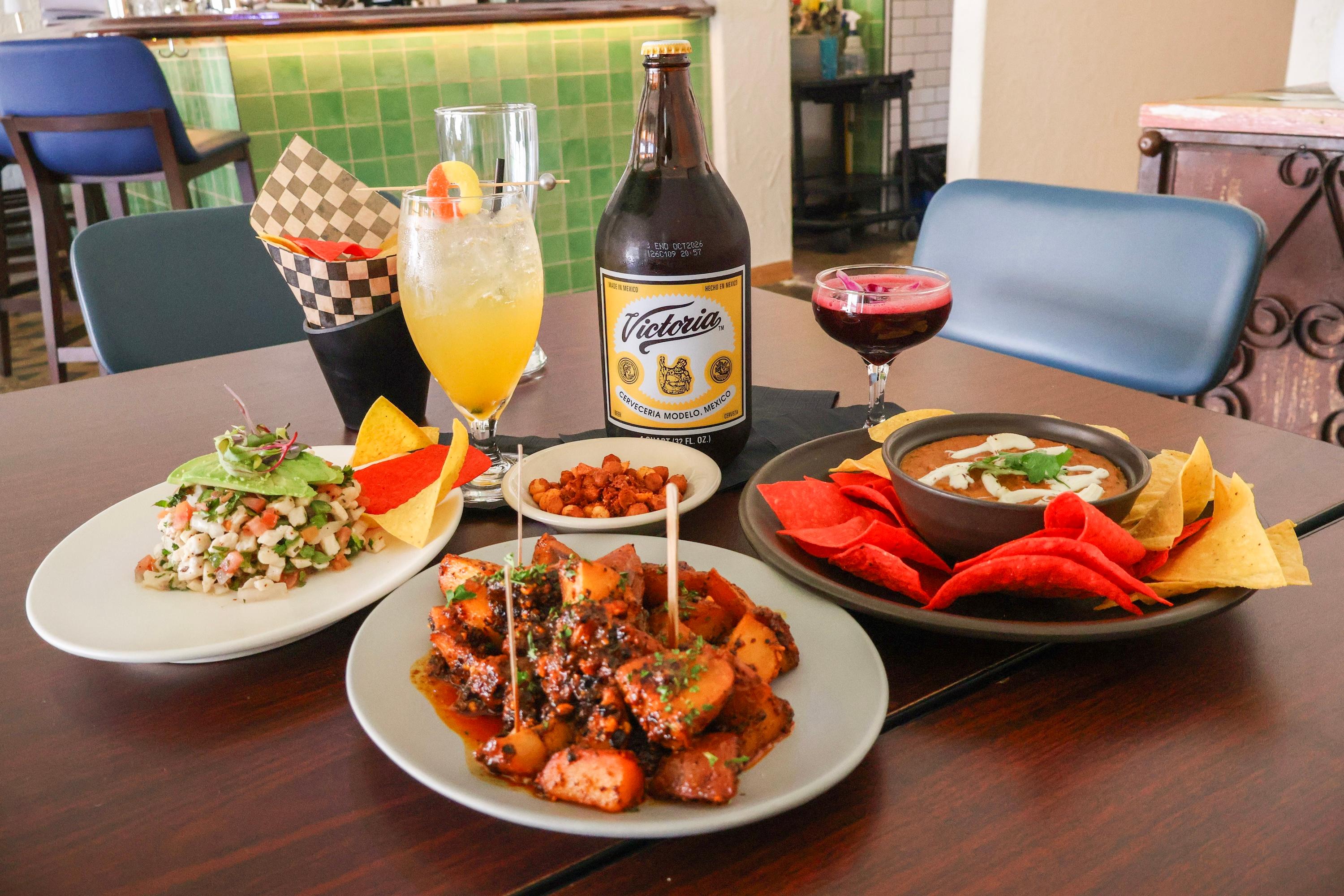
Through their modern cantina concept, they have curated dishes that complement the drink menu. Karla is also the head chef and has carefully crafted the menu to showcase new Mexican flavors. Price is also taken into consideration, as they don’t want customers to feel that Sor Juana is an experience for special occasions only.
The top-selling dishes are Macha Cambray, roasted potatoes with a house-made salsa macha, beef tablitas (cross-cut beef short rib) with quesadillas and salsa de molcajete. They stay true to Mexican spice, so be wary. She designed the plates to be shareable, no matter how big or small the group.
Saul wanted the drinks to be Mexican reinterpretations of classic cocktails. “El Bombon Asesino” is their take on a Cosmopolitan where cranberry juice is replaced by hibiscus cordial and raspberry, and the Vesper Martini is made with Condesa Gin, a Mexican brand.
Also, the cocktails use a low alcohol percentage to ensure guests enjoy their time. It’s helpful that more drinks equal more food, so no empty bellies here. They also offer non-alcoholic Champagne, mocktails and soda.
“I’m not promoting drinking a lot of them, but also you can have more than one and not feel too bad about getting intoxicated very quickly,” Saul says. “We’re aiming to be a third space so you can be here from open to close, like people are already starting to use this as a third space.”
They have successfully curated a welcoming environment thanks to the help of Callie Windle, the interior designer who brought their dream to life. The building remains mostly original, with most of the tile in the dining room remaining unchanged, as do the eye-catching fountain and fireplace in what used to be the warehouse showroom. Renovations were made to the bar and restrooms, all carefully designed to complement the rest of the building.
“We wanted to choose something that would match the building, and wouldn’t feel out of place, so we wanted to conserve the historical aspect of it because we definitely wanted people, when they walk in, to feel like they’re somewhere else,” Alexandra says.
An element of play
Alexa and Karla’s identities are also showcased throughout the building with Mexican maximalist designs mixed with personal, traditional, and indigenous tchotchkes.
“We’re just continuing to play with the fun thing that is Mexican culture,” Karla says. “There was an element of play that we wanted to include in all the pieces as part of our personality. All of the photographs you see are of our families, and our personal vacations, so we just wanted to honor where our roots come from.”
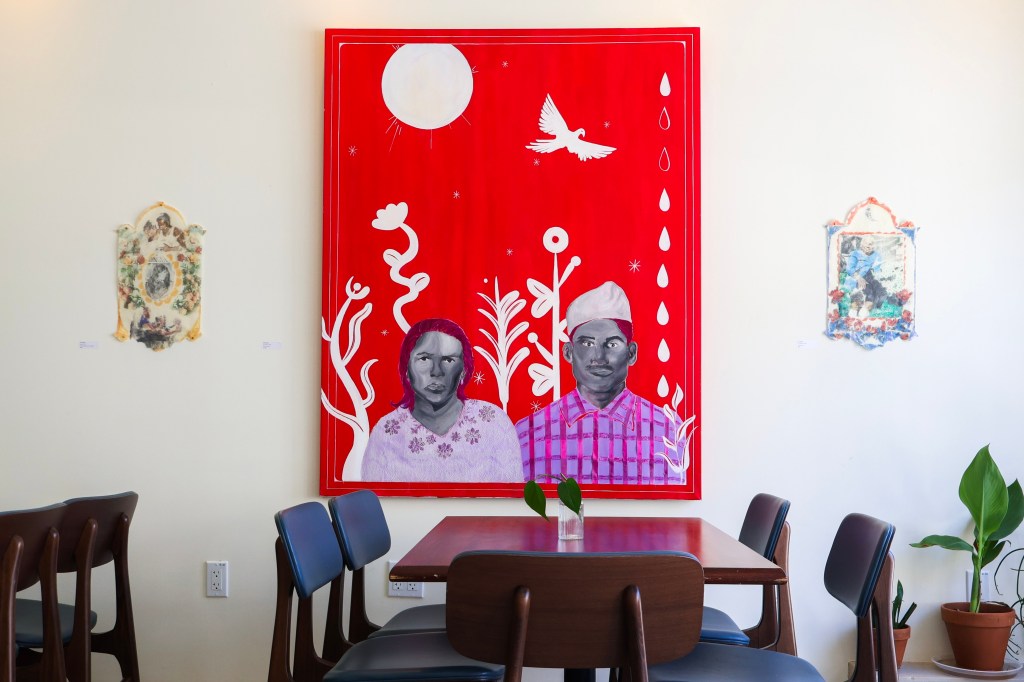
Additionally, they created a separate, slightly hidden dining room from two previous office spaces. This dining room will soon host community events like art and music classes and “platicas,” or discussions. It’s important to them to highlight local artists and be a resource to people already hosting events in the city. Currently, they feature artwork by Dallas artist Joy Reyes in this dining room as part of an ongoing art exhibit.
Reclaiming history
At Sor Juana, they realize there is a deep history of Mexico that Dallas has yet to see, and it’s important to reclaim that history and continue educating people through their concept. They’re excited to redefine what Mexican food, drink, and ambiance are on their own terms rather than adjusting to what they think will sell.
For the best Sor Juana experience: put the phone down, take in the scene, eat the delicious food, have the best conversations, and learn something new
“I think ultimately that’s what we’re trying to do, just create a space where folks can enjoy a good plate, enjoy a good drink, get together with friends, and there isn’t a dress code or income bracket they need to belong to, or a specific way they need to look to have basically what are just fundamental human rights: food, drink, maybe not the alcohol, but you know, food, drink, and human connection,” Alexandra says.
Sor Juana, 1908 Canton St.; Open Wednesday – Thursday, 5 p.m. to 10 p.m., Friday from 5 p.m. to midnight, Saturday from noon to midnight, and Sunday from noon – 10 p.m.
